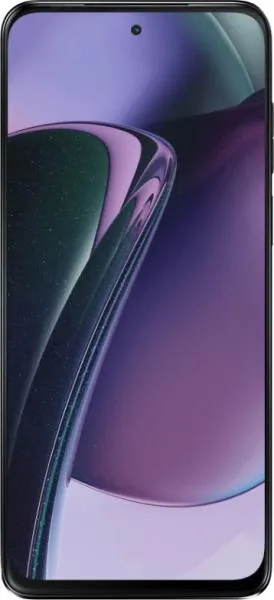
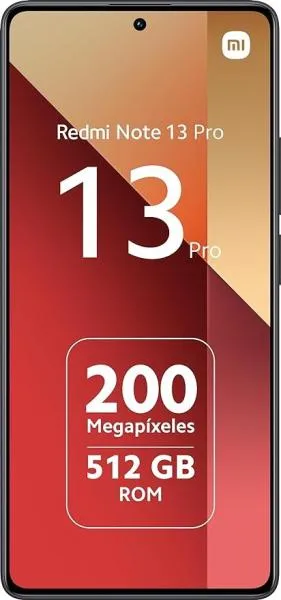
1. Specifications Comparison
| Feature | Motorola Moto G Stylus 5G (2023) | Xiaomi Redmi Note 13 Pro 4G | Practical Impact |
|---|---|---|---|
| Design | |||
| Dimensions (mm) | 162.8 x 73.8 x 9.2 | 161.1 x 75 x 8 | Redmi is slightly shorter, wider, and thinner. Negligible difference in daily use. |
| Weight (g) | 202 | 188 | Redmi is noticeably lighter, improving one-handed use. |
| Build Material | Not specified | Not specified | Cannot compare build quality and durability. |
| Stylus | Yes | No | Moto G offers note-taking and drawing capabilities. |
| Display | |||
| Display Type | IPS LCD, 120Hz | AMOLED, 1B colors, 120Hz | Redmi offers superior contrast, deeper blacks, and potentially brighter outdoors visibility due to AMOLED. Both have smooth scrolling thanks to 120Hz. |
| Size (inches) | 6.6 | 6.67 | Negligible size difference. |
| Resolution | 1080 x 2400 | 1080 x 2400 | Identical resolution, similar sharpness. |
| Peak Brightness | Not specified | 1300 nits | Redmi likely offers significantly better visibility in direct sunlight. Missing Moto G spec limits comparison. |
| Performance | |||
| Chipset | Snapdragon 6 Gen 1 (4nm) | Mediatek Helio G99 Ultra | Snapdragon 6 Gen 1 generally offers better performance, especially in GPU tasks like gaming. |
| CPU | Octa-core (4x2.2 GHz A78 & 4x1.8 GHz A55) | Octa-core (2x2.2 GHz A76 & 6x2.0 GHz A55) | Snapdragon 6 Gen 1 likely provides a performance advantage due to newer core architecture. |
| RAM | 8GB (reviewed model) | 8GB/12GB | Redmi offers a 12GB RAM option for potentially better multitasking. |
| Camera | |||
| Main Camera | 50MP, f/1.88 | 200MP, f/1.65 | Redmi boasts higher resolution, potentially capturing more detail. Larger sensor size (1/1.4" vs 1/1.55") likely translates to better low-light performance. |
| Ultrawide | 8MP, f/2.2 | 8MP, f/2.2 | Similar ultrawide specifications. |
| Other Cameras | None specified | 2MP Depth sensor, | Redmi's dedicated depth sensor might slightly improve portrait mode. |
| Video Recording | 4K@30fps | 1080p@60fps | Moto G offers higher resolution video recording, while Redmi offers smoother 60fps at 1080p. |
| Battery | |||
| Capacity | 5000 mAh | 5000 mAh | Similar battery capacity, expected similar battery life depending on usage. |
| Charging Speed | Not specified | Not specified | Unable to compare charging speeds due to missing specifications. |
2. Key Differences Analysis
Motorola Moto G Stylus 5G (2023) Advantages:
- Integrated Stylus: Offers unique note-taking and drawing functionality.
- Potentially Better Performance: Snapdragon 6 Gen 1 generally outperforms Helio G99.
- 4K Video Recording: Captures higher resolution videos.
Xiaomi Redmi Note 13 Pro 4G Advantages:
- Superior Display: AMOLED offers vibrant colors, deeper blacks, and better outdoor visibility.
- Lighter and Slimmer Design: More comfortable for one-handed use.
- Higher Resolution Main Camera: 200MP sensor potentially captures more detail and better low-light images due to larger sensor size.
- Dual SIM: Supports two SIM cards simultaneously.
3. User Profiles & Recommendations
Moto G Stylus 5G (2023): Ideal for users who:
- Prioritize note-taking and sketching.
- Value a stylus for precise screen interaction.
- Need good overall performance for everyday tasks and light gaming.
Xiaomi Redmi Note 13 Pro 4G: Ideal for users who:
- Prioritize display quality and vibrant visuals.
- Value a slim and lightweight design.
- Want a high-resolution camera for capturing detailed photos.
- Require dual SIM functionality.
4. Decision Framework
Key Questions for Buyers:
- Is a stylus essential for your workflow? If yes, the Moto G is the only option.
- Do you prioritize display quality or overall performance? Redmi excels in display, while Moto G likely offers better performance.
- What is your budget and storage requirement? Consider RAM and storage options available for each phone and their respective prices.
My Choice: Xiaomi Redmi Note 13 Pro 4G
While the Moto G Stylus offers unique functionality with its integrated stylus, the Redmi Note 13 Pro 4G provides a more compelling overall package for my needs. The superior AMOLED display, lighter weight, higher resolution main camera with a larger sensor promising better low-light performance, and dual SIM support outweigh the benefits of the stylus for me personally. I also appreciate the potential for future OS updates, as the Redmi is confirmed to receive updates up to Android 16. While the Moto G might have a slight performance edge in certain tasks, the Redmi's everyday performance with the Helio G99 is likely sufficient for my usage. Finally, the Redmi's modern design appeals to me more.
