1. Specifications Comparison
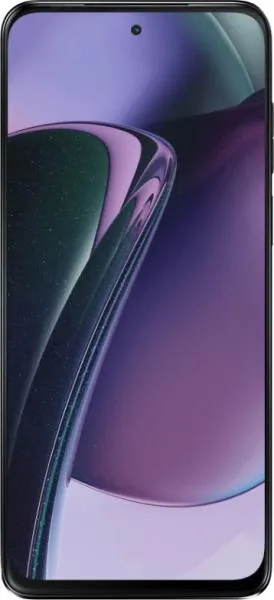
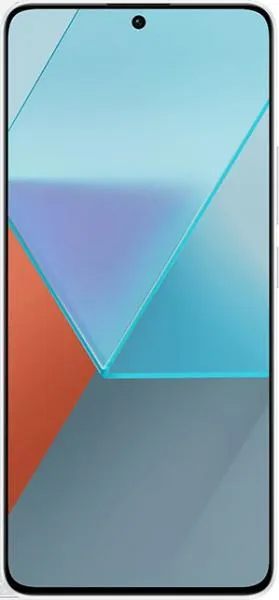
| Feature | Motorola Moto G Stylus 5G (2023) | Xiaomi Redmi Note 13 Pro | Practical Impact |
|---|---|---|---|
| Design | |||
| Dimensions (mm) | 162.8 x 73.8 x 9.2 | 161.2 x 74.2 x 8 | Redmi is slightly shorter, narrower, and thinner. Negligible difference in daily use. |
| Weight (g) | 202 | 187 | Redmi is noticeably lighter, improving one-handed use. |
| Build | Plastic | Data missing | Impacts durability and premium feel. Can't compare without Redmi's material. |
| Display | |||
| Display Type | IPS LCD, 120Hz | AMOLED, 120Hz | AMOLED offers deeper blacks, vibrant colors, and better power efficiency in dark mode. |
| Display Size (inches) | 6.6 | 6.67 | Negligible size difference. |
| Resolution | 1080 x 2400 | 1220 x 2712 | Redmi has a sharper display with higher pixel density (446 ppi vs 399 ppi), resulting in crisper text and images. |
| Peak Brightness | Data missing | 1800 nits | Redmi's significantly higher peak brightness ensures excellent outdoor visibility. Can't fully compare without Moto's peak brightness. |
| HDR | No Dolby Vision | Dolby Vision | Redmi supports Dolby Vision for enhanced video viewing experience with compatible content. |
| Performance | |||
| Chipset | Snapdragon 6 Gen 1 | Snapdragon 7s Gen 2 | Redmi's 7s Gen 2 offers slightly better CPU performance due to higher clock speeds (2.4 GHz vs 2.2 GHz on performance cores). Both use the same GPU. |
| RAM | 4GB/6GB/8GB | 8GB/12GB/16GB | Redmi offers higher RAM configurations, enabling better multitasking and smoother performance with demanding apps. |
| Storage | 128GB/256GB | 128GB/256GB/512GB | Redmi offers a larger maximum storage option (512GB). |
| Camera | |||
| Main Camera | 50MP, f/1.88 | 200MP, f/1.65 | Redmi boasts a significantly higher resolution main sensor and a wider aperture, potentially capturing more detail and light in various conditions. Practical image quality depends on processing. |
| Ultrawide | 8MP, f/2.2 | 8MP, f/2.2 | Similar ultrawide specifications. |
| Selfie Camera | 16MP, f/2.5 | 16MP, f/2.4 | Redmi's selfie camera has a slightly wider aperture. |
| Battery | |||
| Capacity | 5000 mAh | 5100 mAh | Negligibly larger battery in the Redmi. Real-world battery life depends on optimization and usage. |
2. Key Differences Analysis
Motorola Moto G Stylus 5G (2023) Advantages:
- Stylus Support: While not in the provided specs, the name suggests stylus support, a significant advantage for note-taking, sketching, and precise interactions.
- Potentially Lower Price: Depending on the specific configuration, the Moto G Stylus could be more affordable.
Xiaomi Redmi Note 13 Pro Advantages:
- Superior Display: The AMOLED display with Dolby Vision and high peak brightness offers a significantly better visual experience.
- Higher Resolution Camera: The 200MP main camera has the potential to capture more detail.
- More RAM and Storage Options: Higher RAM configurations provide smoother performance, and larger storage options cater to users with extensive media libraries.
- Slightly Faster Processor: The Snapdragon 7s Gen 2 offers a slight performance edge over the Snapdragon 6 Gen 1.
3. User Profiles & Recommendations
Motorola Moto G Stylus 5G (2023): Ideal for budget-conscious users who prioritize note-taking and stylus functionality. Students, artists, and anyone who frequently handwrites or sketches would benefit.
Xiaomi Redmi Note 13 Pro: Suitable for users who value a premium multimedia experience. The excellent display, high-resolution camera, and powerful performance make it a good choice for mobile gaming, photography, and video consumption.
4. Decision Framework
Key Questions for Buyers:
- What is your budget? The Moto G Stylus is likely more affordable.
- Do you need a stylus? This is a major differentiator.
- Which aspects of the phone are most important to you? Prioritize display quality, camera performance, or overall value.
My Choice: Xiaomi Redmi Note 13 Pro
While the stylus functionality of the Moto G Stylus is attractive for specific use cases, the Redmi Note 13 Pro offers a more well-rounded package. The superior AMOLED display, significantly improved camera, faster processor, and larger RAM/storage options outweigh the stylus benefit for me. The slightly higher price is justified by the noticeable upgrades in key areas that impact daily usage, especially media consumption and performance. The lack of build material information for the Moto G Stylus also makes it difficult to fully assess its value. However, if budget is extremely tight and note-taking is a primary need, the Moto G Stylus 5G could be a viable option.
