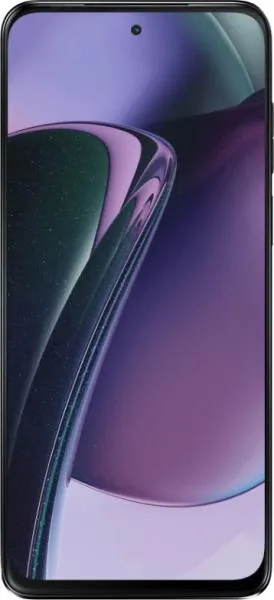
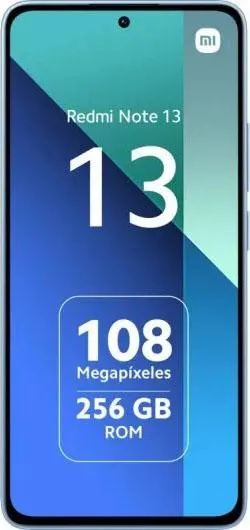
1. Specifications Comparison
| Feature | Motorola Moto G Stylus 5G (2023) | Xiaomi Redmi Note 13 4G | Practical Impact |
|---|---|---|---|
| Design | |||
| Dimensions (mm) | 162.8 x 73.8 x 9.2 | 162.3 x 75.6 x 8 | Redmi is slightly thinner and lighter. |
| Weight (g) | 202 | 188.5 | Noticeable difference in hand feel; Redmi might be more comfortable for extended use. |
| Fingerprint Sensor | Side-mounted | Under-display | Personal preference; both are reliable unlocking methods. |
| Stylus | Yes | No | Significant advantage for note-taking, sketching, and precise screen interaction on the Motorola. |
| Display | |||
| Display Type | IPS LCD, 120Hz | AMOLED, 120Hz | AMOLED offers deeper blacks, vibrant colors, and potentially better power efficiency. LCD often has better outdoor visibility. |
| Size (inches) | 6.6 | 6.67 | Negligible difference in screen real estate. |
| Resolution | 1080 x 2400 | 1080 x 2400 | Identical resolution; sharpness and clarity will be similar. |
| Peak Brightness (nits) | Not specified | 1800 | Redmi's significantly higher peak brightness ensures excellent outdoor visibility. Missing data for Motorola limits comparison. |
| Performance | |||
| Chipset | Snapdragon 6 Gen 1 (4nm) | Snapdragon 685 (6nm) | 6 Gen 1 offers generally better performance and power efficiency due to newer architecture and manufacturing process. |
| CPU | Octa-core (4x2.2 GHz Cortex-A78 & 4x1.8 GHz Cortex-A55) | Octa-core (4x2.8 GHz Cortex-A73 & 4x1.9 GHz Cortex-A53) | While the 685 has higher clock speeds on performance cores, the 6 Gen 1's newer architecture likely results in smoother overall performance. |
| GPU | Adreno 710 | Adreno 610 | 710 provides significantly better graphics performance for gaming and demanding applications. |
| RAM | 8GB | 8GB | Identical RAM capacity ensures smooth multitasking on both devices. |
| Camera | |||
| Main Camera | 50MP, f/1.88 | 108MP, f/1.7 | Redmi boasts higher resolution; however, image quality depends on factors beyond megapixel count. Motorola uses pixel binning for potentially better low-light performance. |
| Video Recording | 4K@30fps | 1080p@30fps | Motorola offers superior video resolution. |
| Battery | |||
| Capacity (mAh) | 5000 | 5000 | Identical battery capacity; actual battery life depends on usage and optimization. |
2. Key Differences Analysis
Motorola Moto G Stylus 5G (2023) Advantages:
- Stylus Support: A major differentiator for note-takers, artists, and those who prefer precise screen interaction.
- 5G Connectivity: Enables faster download and streaming speeds where available.
- Superior GPU: Better gaming and overall graphics performance.
- Higher Resolution Video Recording: Captures more detailed videos.
Xiaomi Redmi Note 13 4G Advantages:
- AMOLED Display: Offers vibrant colors, deeper blacks, and excellent contrast.
- Higher Peak Brightness: Ensures better visibility in direct sunlight.
- Slightly Thinner and Lighter Design: More comfortable for one-handed use and extended holding.
- Lower Price: Generally more affordable than the Motorola, offering good value.
3. User Profiles & Recommendations
Motorola Moto G Stylus 5G (2023): Ideal for students, artists, professionals who require a stylus for note-taking or creative work, and users who prioritize 5G connectivity and smoother performance.
Xiaomi Redmi Note 13 4G: Suitable for budget-conscious users who prioritize a vibrant display and excellent battery life, value a slim design, and don't need 5G or a stylus.
4. Decision Framework
Key Questions for Buyers:
- Is a stylus important for your daily usage?
- Do you require 5G connectivity?
- What is your budget?
Scenario-Based Recommendations:
- Student on a Budget: Redmi Note 13 4G offers excellent value with its vibrant display and long battery life.
- Creative Professional: Motorola Moto G Stylus 5G is a better choice due to the integrated stylus and superior performance.
- User who prioritizes future-proofing: The Motorola's 5G connectivity provides longevity.
My Choice: Motorola Moto G Stylus 5G (2023)
While the Redmi Note 13 4G offers a compelling AMOLED display and a slimmer design, the Motorola Moto G Stylus 5G (2023) edges out as my preferred choice due to the integrated stylus and the performance advantage offered by the Snapdragon 6 Gen 1 chipset and Adreno 710 GPU. The stylus is a powerful tool for productivity and creativity, making the Motorola more versatile. Additionally, the inclusion of 5G ensures better future-proofing. While I acknowledge the benefits of the Redmi's AMOLED display, I personally prioritize performance and the unique functionality of the stylus for my usage.
