1. Specifications Comparison
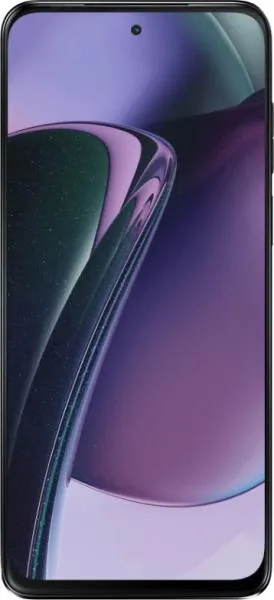
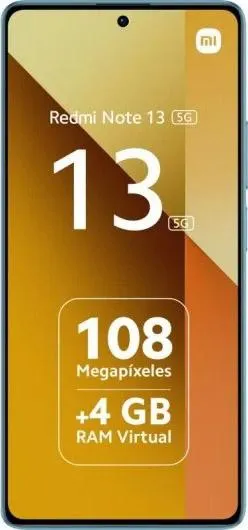
| Feature | Motorola Moto G Stylus 5G (2023) | Xiaomi Redmi Note 13 | Practical Impact |
|---|---|---|---|
| Design | |||
| Dimensions (mm) | 162.8 x 73.8 x 9.2 | 161.1 x 75 x 7.6 | Redmi Note 13 is slightly shorter, wider, and noticeably thinner. |
| Weight (g) | 202 | 174.5 | Redmi Note 13 is significantly lighter, improving one-handed use and portability. |
| Build Material | Not specified | Not specified | Unable to compare build quality and durability. |
| Display | |||
| Display Type | IPS LCD, 120Hz | AMOLED, 1B colors, 120Hz | Redmi Note 13's AMOLED offers deeper blacks, more vibrant colors, and potentially better power efficiency. Both have smooth 120Hz refresh rates. |
| Display Size (inches) | 6.6 | 6.67 | Negligible difference in screen real estate. |
| Resolution | 1080 x 2400 | 1080 x 2400 | Identical resolution, resulting in similar sharpness. |
| PPI | 399 | 395 | Virtually indistinguishable pixel density. |
| Performance | |||
| Chipset | Snapdragon 6 Gen 1 (4nm) | Dimensity 6080 (6nm) | Snapdragon 6 Gen 1 generally offers better performance and efficiency due to the smaller process node. |
| CPU | Octa-core (4x2.2 GHz Cortex-A78 & 4x1.8 GHz Cortex-A55) | Octa-core (2x2.4 GHz Cortex-A76 & 6x2.0 GHz Cortex-A55) | While the Dimensity 6080 has slightly faster clock speeds on its performance cores, the Snapdragon 6 Gen 1's more modern architecture likely provides a performance advantage. |
| GPU | Adreno 710 | Mali-G57 MC2 | Adreno 710 generally offers superior graphics performance for gaming and demanding tasks. |
| RAM | 8GB | Up to 12GB | Higher RAM options on the Redmi Note 13 enable better multitasking and smoother performance with numerous apps open. |
| Camera | |||
| Main Camera | 50MP (OV50A) | 108MP (Samsung HM6) | Redmi Note 13 boasts higher resolution, potentially capturing more detail. However, sensor size and processing play a crucial role in image quality. |
| Ultrawide | 8MP | 8MP | Comparable ultrawide cameras. |
| Selfie Camera | 16MP | 16MP | Comparable selfie cameras. |
| Video Recording | 4K@30fps | 1080p@30fps | Moto G Stylus offers superior video resolution. |
| Battery | |||
| Capacity | 5000 mAh | 5000 mAh | Identical battery capacity, expected similar battery life depending on usage and software optimization. |
2. Key Differences Analysis
Motorola Moto G Stylus 5G (2023) Advantages:
- Superior Performance: The Snapdragon 6 Gen 1 and Adreno 710 offer better overall performance, especially for gaming and demanding applications.
- Higher Resolution Video Recording: Capable of recording 4K video, while the Redmi Note 13 is limited to 1080p.
- Stylus Support: Offers a built-in stylus for note-taking and drawing (not explicitly mentioned in provided specs, but implied by the name).
Xiaomi Redmi Note 13 Advantages:
- AMOLED Display: Provides richer colors, deeper blacks, and potentially better power efficiency compared to the IPS LCD.
- Lighter and Slimmer Design: More comfortable for one-handed use and easier to carry.
- Lower Price: Positioned in a lower price range, offering better value for budget-conscious buyers.
- Higher RAM Options: Offers configurations with up to 12GB of RAM, enhancing multitasking capabilities.
3. User Profiles & Recommendations
Motorola Moto G Stylus 5G (2023): Ideal for users who prioritize performance, need a stylus for note-taking or creative tasks, and value higher resolution video recording.
Xiaomi Redmi Note 13: Suitable for users who prioritize a vibrant display, a lightweight and slim design, and seek a budget-friendly option. Good for general usage, social media, and light gaming.
4. Decision Framework
Key Questions for Buyers:
- What is your budget? The Redmi Note 13 offers a more affordable option.
- Do you need a stylus? The Moto G Stylus is the clear choice if stylus input is essential.
- Which aspects of the phone are most important to you? Performance and video recording for the Moto G Stylus, or display quality and design for the Redmi Note 13?
My Choice: Xiaomi Redmi Note 13
Reasoning: While the Moto G Stylus 5G offers a performance advantage, the Redmi Note 13's AMOLED display, lighter design, and significantly lower price make it a more compelling option for me. I prioritize display quality and portability in my daily usage, which leans towards the Redmi Note 13. The performance difference between the two chipsets is unlikely to significantly impact my typical workload of browsing, social media, and occasional light gaming. The significant price difference allows for more budget allocation towards accessories or other needs. Finally, the dual SIM capability of the Redmi Note 13 is a practical advantage for international travel or managing separate work and personal numbers. The lack of 4k video recording is not a significant drawback for my personal use.
