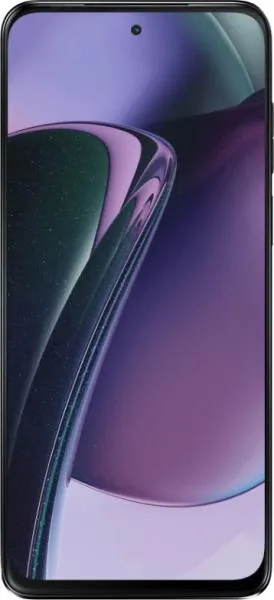
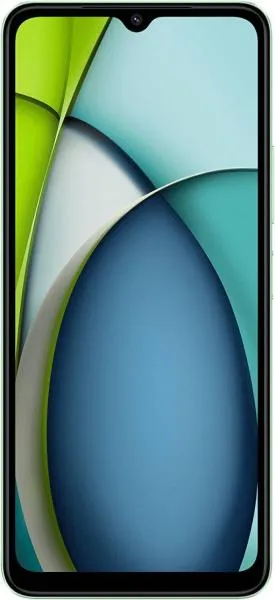
1. Specifications Comparison
| Feature | Motorola Moto G Stylus 5G (2023) | Xiaomi Redmi A3x | Practical Impact |
|---|---|---|---|
| Design | |||
| Dimensions (mm) | 162.8 x 73.8 x 9.2 | 168.4 x 76.3 x 8.3 | Redmi A3x is slightly larger and thinner. |
| Weight (g) | 202 | 193 | Negligible weight difference in practical use. |
| Build Material | Not specified | Not specified | Cannot compare build quality and durability. |
| Display | |||
| Size (inches) | 6.6 | 6.71 | Similar screen sizes. |
| Resolution | 1080 x 2400 | 720 x 1650 | Moto G has a significantly sharper display, resulting in clearer text and images. |
| Refresh Rate (Hz) | 120 | 90 | Moto G offers smoother scrolling and animations. |
| Display Type | IPS LCD | IPS LCD | Similar display technology, but color accuracy and brightness could vary (no specs provided for comparison). |
| Performance | |||
| Chipset | Snapdragon 6 Gen 1 (4 nm) | Unisoc T603 (22 nm) | Moto G has a much more powerful and efficient processor, leading to significantly better performance in demanding tasks and games. |
| CPU | Octa-core (4x2.2 GHz Cortex-A78 & 4x1.8 GHz Cortex-A55) | Octa-core 1.8 GHz | Moto G has faster and more powerful CPU cores, resulting in snappier performance. |
| GPU | Adreno 710 | Mali-G57 MP1 | Moto G has a considerably more powerful GPU, enabling better gaming and graphics performance. |
| RAM | 4GB/6GB/8GB | 3GB/4GB | More RAM options on Moto G, enabling better multitasking. |
| Camera | |||
| Main Camera (MP) | 50 | 8 | Moto G's higher resolution main camera should offer significantly better image quality and detail. |
| Secondary Camera (MP) | 8 (Wide + Macro) | 0.1 (unknown purpose), making comparison impossible. | Moto G offers a usable ultrawide/macro lens, while the Redmi A3x's secondary camera is unclear in its purpose. |
| Video Recording | 4K@30fps | 1080p@30fps | Moto G can record higher resolution videos. |
| Battery | |||
| Capacity (mAh) | 5000 | 5000 | Similar battery capacities, but real-world battery life will depend on software optimization and hardware efficiency. |
2. Key Differences Analysis
Motorola Moto G Stylus 5G (2023) Advantages:
- Significantly better performance: The Snapdragon 6 Gen 1 outclasses the Unisoc T603 in CPU and GPU performance, resulting in smoother multitasking, faster app loading, and better gaming capabilities.
- Sharper display: Higher resolution and refresh rate provide a more enjoyable viewing experience.
- Superior camera: Higher resolution main camera and a usable secondary lens.
- 5G Connectivity: Offers faster mobile data speeds.
Xiaomi Redmi A3x Advantages:
- Lower price: Significantly more affordable.
- Dual SIM: Supports two SIM cards simultaneously.
- Slightly thinner and lighter: Though the difference is negligible in practice.
- Longer Software Support: Guaranteed updates to Android 16.
3. User Profiles & Recommendations
Motorola Moto G Stylus 5G (2023): Users who prioritize performance, display quality, camera capabilities, and 5G connectivity. Suitable for gaming, media consumption, and demanding tasks.
Xiaomi Redmi A3x: Budget-conscious users who primarily use their phones for basic tasks like calling, texting, browsing, and social media. Ideal for users who need dual SIM functionality.
4. Decision Framework
Key Questions:
- What is your budget? The Redmi A3x is significantly cheaper.
- What are your primary phone usage patterns? For demanding tasks, the Moto G is superior. For basic use, the Redmi A3x might suffice.
- Which features are most important to you? Prioritize performance, display, and camera? Choose Moto G. Prioritize price and dual SIM? Choose Redmi A3x.
My Choice: Motorola Moto G Stylus 5G (2023)
While the Redmi A3x is more affordable, the Moto G Stylus 5G offers a significantly better overall user experience due to its superior performance, display, and camera. The Snapdragon 6 Gen 1 provides a noticeable difference in everyday use, making the phone feel much more responsive. The sharper display and better camera are also significant advantages. The higher price is justified by the substantial improvements in key areas. While the Redmi A3x's longer software support is tempting, the performance limitations would be a constant frustration for me. The lack of detailed camera specifications for the Redmi A3x also makes it difficult to fully assess its capabilities.
