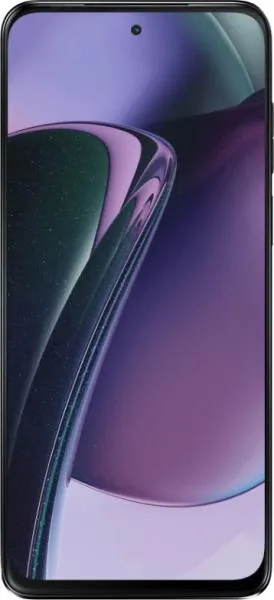
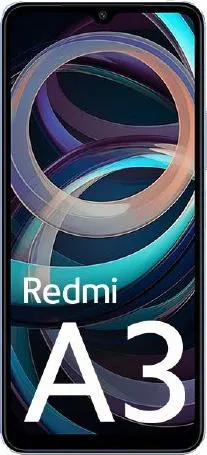
1. Specifications Comparison
| Feature | Motorola Moto G Stylus 5G (2023) | Xiaomi Redmi A3 | Practical Impact |
|---|---|---|---|
| Design | |||
| Dimensions (mm) | 162.8 x 73.8 x 9.2 | 168.3 x 76.3 x 8.3 | Redmi A3 is slightly larger and thinner. |
| Weight (g) | 202 | 193 | Negligible weight difference in practical use. |
| Display | |||
| Size (inches) | 6.6 | 6.71 | Redmi A3 has a slightly larger screen. |
| Resolution (px) | 1080 x 2400 | 720 x 1650 | Moto G Stylus has a much sharper display, resulting in clearer text and images. Redmi A3's lower resolution will appear pixelated. |
| Refresh Rate (Hz) | 120 | 90 | Moto G Stylus offers smoother scrolling and animations due to the higher refresh rate. |
| Display Type | IPS LCD | IPS LCD | Both use IPS LCD technology, offering good color reproduction and viewing angles. However, specific panel quality can vary, affecting brightness and color accuracy, which cannot be assessed with the provided data. |
| Performance | |||
| Chipset | Snapdragon 6 Gen 1 (4 nm) | Mediatek Helio G36 (12 nm) | Moto G Stylus has a significantly more powerful and efficient processor, leading to faster app loading, smoother multitasking, and better battery life. |
| CPU | Octa-core (4x2.2 GHz Cortex-A78 & 4x1.8 GHz Cortex-A55) | Octa-core (4x2.2 GHz Cortex-A53 & 4x1.6 GHz Cortex-A53) | Moto G Stylus utilizes more powerful core architectures, translating to a noticeable performance advantage in demanding tasks and gaming. |
| GPU | Adreno 710 | PowerVR GE8320 | Moto G Stylus offers superior graphics performance, enabling smoother gaming and faster rendering. |
| RAM (GB) | 8 | 3/4/6 (Variant Dependent) | Moto G Stylus's 8GB RAM ensures smoother multitasking and better performance with multiple apps open. The Redmi A3 offers multiple RAM variants; however, even the 6GB version is less powerful overall. |
| Camera | |||
| Main Camera (MP) | 50 | 8 | Moto G Stylus boasts a much higher resolution main camera, likely capturing more detailed photos. |
| Video Recording | 4K@30fps, 1080p@60fps | 1080p@30fps | Moto G Stylus offers superior video recording capabilities, including 4K resolution and higher frame rates. |
| Battery | |||
| Capacity (mAh) | 5000 | 5000 | Both phones have the same battery capacity, but actual battery life depends on usage and efficiency of the processor and display. Given the Moto G Stylus's more efficient chipset, it likely offers better battery life. |
2. Key Differences Analysis
Motorola Moto G Stylus 5G (2023) Advantages:
- Significantly better performance: Due to a superior processor, GPU, and more RAM.
- Sharper display: Higher resolution and refresh rate provide a more enjoyable viewing experience.
- Superior camera: Higher resolution main camera and better video recording capabilities.
- 5G Connectivity: Offers faster download and upload speeds in areas with 5G coverage. Stylus functionality for note-taking and drawing.
Xiaomi Redmi A3 Advantages:
- Lower price: Positioned in the low-price range, making it more budget-friendly.
- Dual SIM: Allows using two SIM cards simultaneously, beneficial for users with multiple numbers. Slightly larger display size.
3. User Profiles & Recommendations
Motorola Moto G Stylus 5G (2023): Users who prioritize performance, a smooth user experience, a good camera, and 5G connectivity. Ideal for gaming, media consumption, multitasking, and productivity.
Xiaomi Redmi A3: Users on a tight budget who primarily use their phone for basic tasks like calling, texting, and light web browsing. Users needing dual SIM functionality.
4. Decision Framework
Key Questions for Buyers:
- What is your budget? The Redmi A3 is significantly cheaper.
- What are your primary phone usage patterns? For demanding tasks, the Moto G Stylus is a better choice.
- Do you need 5G connectivity and a stylus? These are exclusive to the Moto G Stylus.
My Choice: Motorola Moto G Stylus 5G (2023)
While the Redmi A3 is more affordable, the Moto G Stylus 5G (2023) offers a significantly better overall user experience due to its superior performance, display, and camera. The Snapdragon 6 Gen 1, coupled with 8GB of RAM, ensures smooth multitasking and handles demanding applications with ease. The 120Hz display provides a fluid and responsive experience, and the 50MP camera captures detailed photos and videos. The added stylus functionality provides unique productivity benefits. For the long-term value and overall user experience, the Moto G Stylus 5G is the clear winner for me. The price difference is justifiable for the significant performance and feature gap.
