1. Specifications Comparison
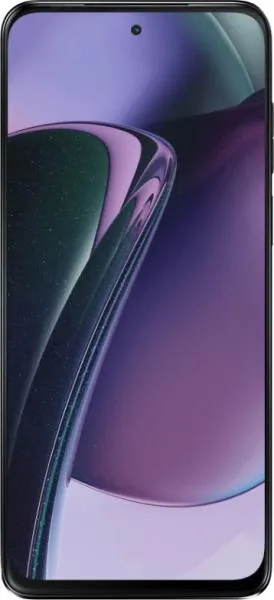
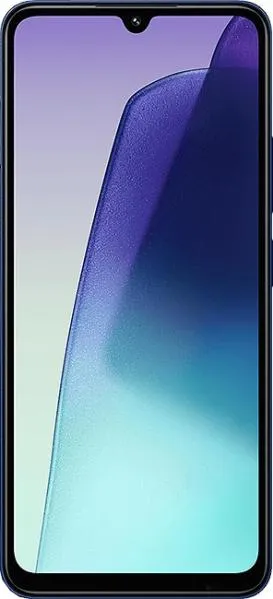
| Feature | Motorola Moto G Stylus 5G (2023) | Xiaomi Redmi 14C | Practical Impact |
|---|---|---|---|
| Design | |||
| Dimensions (mm) | 162.8 x 73.8 x 9.2 | 171.9 x 77.8 x 8.2 | Redmi 14C is noticeably taller and wider, potentially less comfortable for one-handed use. |
| Weight (g) | 202 | 211 | Negligible weight difference in real-world usage. |
| Build Materials | Not specified | Not specified | Cannot compare build quality and durability. |
| Display | |||
| Size (inches) | 6.6 | 6.88 | Redmi 14C offers a slightly larger screen for media consumption. |
| Resolution (px) | 1080 x 2400 | 720 x 1640 | Moto G Stylus has significantly sharper visuals due to higher pixel density (399 ppi vs 260 ppi), resulting in clearer text and images. |
| Refresh Rate (Hz) | 120 | 120 | Both offer smooth scrolling and animations. |
| Display Type | IPS LCD | IPS LCD | Similar display technology, expect comparable color accuracy and viewing angles. |
| Performance | |||
| Chipset | Snapdragon 6 Gen 1 (4 nm) | MediaTek Helio G81 Ultra | Snapdragon 6 Gen 1 generally offers better performance and efficiency. Expect smoother multitasking and better gaming on the Moto G Stylus. |
| CPU | Octa-core (4x2.2 GHz Cortex-A78 & 4x1.8 GHz Cortex-A55) | Octa-core (2x2.0 GHz Cortex-A75 & 6x1.8 GHz Cortex-A55) | Moto G Stylus has faster and more powerful CPU cores, leading to better performance. |
| GPU | Adreno 710 | Mali-G52 MC2 | Adreno 710 provides superior graphics performance for gaming and demanding applications. |
| RAM | 8GB (as reviewed) | 4GB/6GB/8GB (variant dependent) | More RAM in the reviewed Moto G Stylus enables smoother multitasking. However, Redmi 14C offers configurations with up to 8GB RAM. |
| Camera | |||
| Main Camera (MP) | 50 | 50 | Megapixel count doesn't tell the whole story; image quality depends on sensor size, aperture, and processing. |
| Video Recording | 4K@30fps | 1080p@30fps | Moto G Stylus can record higher resolution video. |
| Camera Features | OIS, Ultra stable video | Moto G Stylus offers Optical Image Stabilization for smoother videos and better low-light photos. | |
| Battery | |||
| Capacity (mAh) | 5000 | 5160 | Redmi 14C has a slightly larger battery, but real-world battery life depends on optimization and usage. |
2. Key Differences Analysis
Motorola Moto G Stylus 5G (2023) Advantages:
- Significantly better performance: The Snapdragon 6 Gen 1 outperforms the Helio G81 Ultra in CPU and GPU performance, leading to a smoother overall experience.
- Sharper Display: Much higher pixel density results in crisper visuals.
- Superior Video Recording: 4K recording capability and Optical Image Stabilization offer better video quality.
- Stylus Support: Offers note-taking and drawing capabilities (not explicitly mentioned in specs but implied by the name).
Xiaomi Redmi 14C Advantages:
- Slightly Larger Battery: Potentially longer battery life, although real-world usage will vary.
- Dual SIM: Supports two SIM cards simultaneously for users with multiple numbers.
- Lower Starting Price: Redmi 14C offers a lower entry price point for budget-conscious buyers. (Note: Prices can vary based on retailer and configuration)
- Larger Display: Provides a more immersive experience for media consumption.
3. User Profiles & Recommendations
Motorola Moto G Stylus 5G (2023):
- Ideal User: Users who prioritize performance, a sharp display, good camera quality, and stylus functionality for note-taking or drawing.
- Use Cases: Gaming, multitasking, media consumption, content creation, note-taking.
Xiaomi Redmi 14C:
- Ideal User: Budget-conscious users who prioritize battery life, dual SIM functionality, and a large screen for media consumption, and are less demanding of performance.
- Use Cases: Basic communication, social media browsing, video streaming, casual gaming.
4. Decision Framework
Key Questions for Buyers:
- What is your budget? The Redmi 14C offers a lower entry price.
- What level of performance do you need? The Moto G Stylus offers significantly better performance for demanding tasks.
- What are your primary use cases? Consider whether you prioritize media consumption, gaming, productivity, or a combination of these.
Scenario-Based Recommendations:
- Tight Budget, Basic Usage: Redmi 14C
- Balanced Performance and Price: Moto G Stylus 5G (2023) if you can find it within your budget.
- Performance and Productivity Focused: Moto G Stylus 5G (2023)
My Choice: Motorola Moto G Stylus 5G (2023)
While the Xiaomi Redmi 14C offers a larger battery and dual SIM support at a lower price point, the Motorola Moto G Stylus 5G (2023) is the superior device overall. The significantly better performance offered by the Snapdragon 6 Gen 1, coupled with the sharper display, higher resolution video recording, and implied stylus functionality, makes it a more versatile and future-proof option. The slightly higher price is justified by the significant performance and feature advantages. The larger display of the Redmi 14C, while appealing for media, is hampered by the low resolution. For me, a smoother, more responsive experience trumps a slightly larger screen size and marginal battery gains, especially considering the long-term benefits of a more powerful processor.
