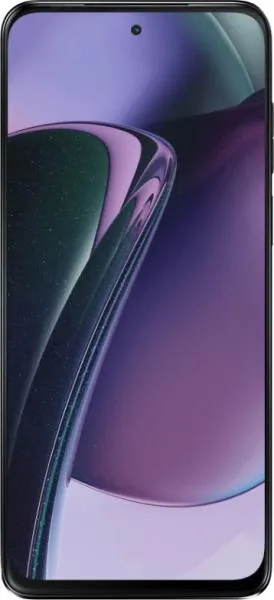
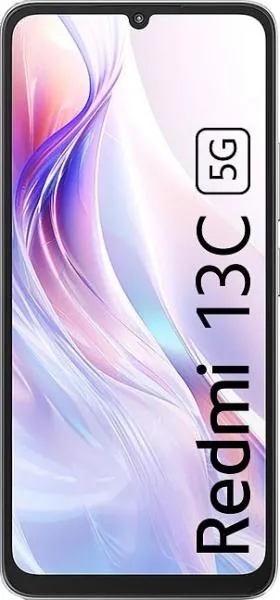
1. Specifications Comparison
| Feature | Motorola Moto G Stylus 5G (2023) | Xiaomi Redmi 13C 5G | Practical Impact |
|---|---|---|---|
| Design | |||
| Dimensions (mm) | 162.8 x 73.8 x 9.2 | 168 x 78 x 8.1 | Redmi 13C is slightly larger and thinner. Moto G Stylus might feel more compact in hand. |
| Weight (g) | 202 | 192 | Negligible weight difference in practical use. |
| Display | |||
| Size (inches) | 6.6 | 6.74 | Redmi 13C has a slightly larger screen. |
| Resolution | 1080 x 2400 (FHD+) | 720 x 1600 (HD+) | Moto G Stylus offers significantly sharper visuals due to higher resolution. Redmi 13C's display will appear pixelated in comparison. |
| Refresh Rate (Hz) | 120 | 90 | Moto G Stylus provides smoother scrolling and animations. |
| Display Type | IPS LCD | IPS LCD | Both use IPS LCD technology, offering good color reproduction but limited viewing angles compared to OLED. |
| PPI | 399 | 260 | Much sharper image quality on the Moto G Stylus due to the higher pixel density. Text and images will be crisper. |
| Performance | |||
| Chipset | Snapdragon 6 Gen 1 (4nm) | Dimensity 6100+ (6nm) | Both offer decent mid-range performance, but Snapdragon 6 Gen 1 generally edges out in benchmarks, resulting in slightly faster app loading and smoother multitasking. |
| CPU | Octa-core (4x2.2 GHz Cortex-A78 & 4x1.8 GHz Cortex-A55) | Octa-core (2x2.2 GHz Cortex-A76 & 6x2.0 GHz Cortex-A55) | Similar CPU configurations, but architectural differences might give Snapdragon 6 Gen 1 a slight edge in sustained performance. |
| GPU | Adreno 710 | Mali-G57 MC2 | Adreno 710 generally offers better gaming performance compared to Mali-G57 MC2. |
| RAM | 8GB (in reviewed configuration) | 4GB (in reviewed configuration) | More RAM in the Moto G Stylus allows for better multitasking and smoother performance with multiple apps open. |
| Camera | |||
| Main Camera | 50MP | 50MP | Megapixel count is similar, but image quality depends on sensor size, processing, and other factors. Redmi 13C's specific sensor model (Samsung S5KJN1) is known for decent performance in its class. |
| Video Recording | 4K@30fps | 1080p@30fps | Moto G Stylus allows for higher resolution video recording. |
| Battery | |||
| Capacity (mAh) | 5000 | 5000 | Similar battery capacities suggest comparable battery life, although real-world usage varies depending on factors like display resolution and processor efficiency. |
2. Key Differences Analysis
Motorola Moto G Stylus 5G (2023) Advantages:
- Significantly better display: Higher resolution and refresh rate provide a much more enjoyable viewing experience.
- Superior Performance: More powerful chipset and more RAM for smoother multitasking and gaming.
- Higher resolution video recording: 4K recording capability.
- Stylus Included: Offers note-taking and drawing capabilities. (Not explicitly in specs but implied by the name)
Xiaomi Redmi 13C 5G Advantages:
- Slightly Larger Screen: Offers more screen real estate for content consumption.
- Dual SIM: Supports two SIM cards simultaneously.
- Potentially Lower Price: Depending on specific configuration and retailer.
3. User Profiles & Recommendations
Motorola Moto G Stylus 5G (2023): Suitable for users who prioritize display quality, performance, and multimedia consumption. The stylus adds value for note-takers, students, and artists.
Xiaomi Redmi 13C 5G: Best suited for budget-conscious users who need basic smartphone functionality with dual SIM support. Good for light users who prioritize battery life and affordability over performance and display quality.
4. Decision Framework
Key Questions for Buyers:
- What is your budget? The Redmi 13C is likely cheaper.
- Is display quality a priority? The Moto G Stylus has a vastly superior display.
- Do you need a stylus for note-taking or drawing? The Moto G Stylus caters to this specific need.
My Choice: Motorola Moto G Stylus 5G (2023)
While the Redmi 13C 5G offers a larger screen and dual SIM support, the Moto G Stylus 5G (2023) wins out due to its significantly better display, stronger performance, and the inclusion of a stylus. The sharper resolution, smoother refresh rate, and more powerful processor contribute to a vastly improved user experience. For me, these factors outweigh the marginal benefits of the Redmi 13C 5G, especially considering the likely minimal price difference. The stylus adds a unique functionality that caters to specific user needs, making the Moto G Stylus a more versatile and compelling device overall.
