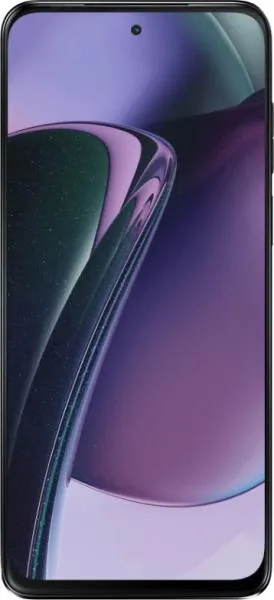
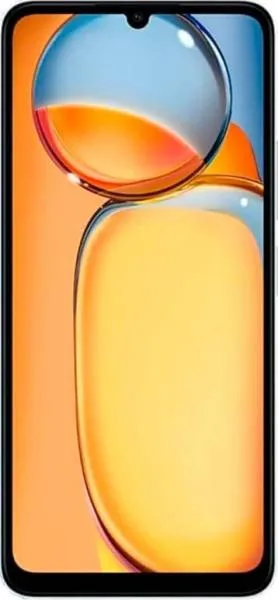
1. Specifications Comparison
| Feature | Motorola Moto G Stylus 5G (2023) | Xiaomi Redmi 13C | Practical Impact |
|---|---|---|---|
| Design | |||
| Dimensions (mm) | 162.8 x 73.8 x 9.2 | 168 x 78 x 8.1 | Redmi 13C is slightly larger and thinner. Negligible difference in daily use. |
| Weight (g) | 202 | 192 | Moto G Stylus is slightly heavier. |
| Build Material | Not specified | Not specified | Cannot compare build quality and durability. |
| Stylus | Yes | No | Moto G Stylus offers note-taking and drawing capabilities. |
| Display | |||
| Size (inches) | 6.6 | 6.74 | Redmi 13C has a slightly larger screen. |
| Resolution | 1080 x 2400 | 720 x 1600 | Moto G Stylus has a significantly sharper display, resulting in clearer text and images. |
| Pixel Density (PPI) | 399 | 260 | Noticeably sharper visuals on the Moto G Stylus. |
| Refresh Rate (Hz) | 120 | 90 | Smoother animations and scrolling on the Moto G Stylus. |
| Display Type | IPS LCD | IPS LCD | Similar color accuracy and viewing angles expected. |
| Performance | |||
| Chipset | Snapdragon 6 Gen 1 (4 nm) | Helio G85 (12 nm) | Snapdragon 6 Gen 1 offers significantly better performance and efficiency. |
| CPU | Octa-core (4x2.2 GHz Cortex-A78 & 4x1.8 GHz Cortex-A55) | Octa-core (2x2.0 GHz Cortex-A75 & 6x1.8 GHz Cortex-A55) | Moto G Stylus has a more powerful CPU architecture, leading to faster app loading and multitasking. |
| GPU | Adreno 710 | Mali-G52 MC2 | Adreno 710 provides a better gaming and graphics performance. |
| RAM | 4GB/6GB/8GB | 4GB/6GB/8GB | RAM options are similar, allowing for sufficient multitasking depending on the variant chosen. |
| Camera | |||
| Main Camera | 50MP | 50MP | Similar megapixel count but sensor quality information is incomplete for comparison. |
| Video Recording | 4K@30fps | 1080p@30fps | Moto G Stylus offers higher resolution video recording. |
| Front Camera | 16MP | 8MP | Moto G Stylus has a higher resolution front camera, likely resulting in better selfies. |
| Battery | |||
| Capacity (mAh) | 5000 | 5000 | Similar battery capacity, expected battery life depends on usage and optimization. |
2. Key Differences Analysis
Motorola Moto G Stylus 5G (2023) Advantages:
- Significantly better performance: The Snapdragon 6 Gen 1 outperforms the Helio G85 in processing power and graphics rendering.
- Sharper display: Higher resolution and refresh rate provide a smoother and more visually appealing experience.
- Higher resolution video recording: 4K recording capability.
- Stylus Support: Offers unique note-taking and drawing functionality.
Xiaomi Redmi 13C Advantages:
- Lower Price: Expected to be more budget-friendly.
- Dual SIM: Supports two SIM cards simultaneously.
- Slightly Larger Display: Offers a slightly bigger screen for media consumption.
3. User Profiles & Recommendations
Motorola Moto G Stylus 5G (2023): Ideal for users who value performance, a smooth display, multimedia consumption, mobile gaming, and note-taking/drawing capabilities. Good for students, creative professionals, and those who want a good all-around phone.
Xiaomi Redmi 13C: Best suited for budget-conscious users who prioritize basic functionality, dual SIM capability, and a large screen for media viewing. Suitable for users primarily focused on communication, social media, and light web browsing.
4. Decision Framework
Key Questions for Buyers:
- What is your budget? The Redmi 13C is likely significantly cheaper.
- Is a stylus important to you? This is a unique feature of the Moto G Stylus.
- Do you prioritize performance and a high-quality display? The Moto G Stylus has a clear advantage in these areas.
My Choice: Motorola Moto G Stylus 5G (2023)
While the Xiaomi Redmi 13C offers a compelling price point, the Motorola Moto G Stylus 5G (2023) provides a significantly better overall user experience. The superior processor, sharper display with a higher refresh rate, and the inclusion of a stylus for note-taking and drawing make it a more versatile and future-proof device. The performance difference alone would greatly impact daily usability, making the Moto G Stylus worth the extra investment for most users. The stylus adds a unique functionality that can be incredibly useful for students and professionals alike. While the Redmi 13C's dual SIM capability is attractive for some, the performance and feature compromises are too significant to overlook.
