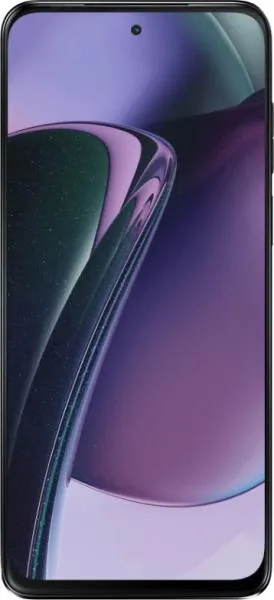
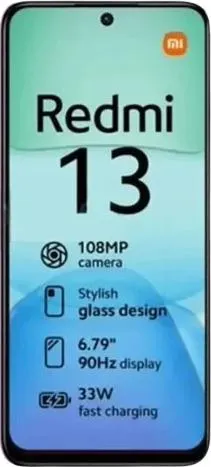
1. Specifications Comparison
| Feature | Motorola Moto G Stylus 5G (2023) | Xiaomi Redmi 13 | Practical Impact |
|---|---|---|---|
| Design | |||
| Dimensions (mm) | 162.8 x 73.8 x 9.2 | 168.6 x 76.3 x 8.3 | Redmi 13 is noticeably larger and slightly thinner. |
| Weight (g) | 202 | 205 | Negligible weight difference. |
| Stylus | Yes | No | Significant advantage for note-taking, drawing, and precise screen interaction on the Moto G Stylus. |
| Display | |||
| Size (inches) | 6.6 | 6.79 | Redmi 13 offers a slightly larger screen for more immersive media consumption. |
| Resolution (px) | 1080 x 2400 | 1080 x 2460 | Virtually identical sharpness. |
| Refresh Rate (Hz) | 120 | 90 | Smoother animations and scrolling on the Moto G Stylus, especially noticeable in gaming and fast-paced UI interactions. |
| Display Type | IPS LCD | IPS LCD | Similar color accuracy and viewing angles expected. Missing data on color depth and HDR capabilities for both phones limits comprehensive comparison. |
| Performance | |||
| Chipset | Snapdragon 6 Gen 1 (4nm) | Helio G91 Ultra (12nm) | Snapdragon 6 Gen 1 offers better performance and power efficiency due to its more advanced manufacturing process (4nm vs 12nm). |
| CPU | Octa-core (4x2.2 GHz Cortex-A78 & 4x1.8 GHz Cortex-A55) | Octa-core (2x2.0 GHz Cortex-A75 & 6x1.8 GHz Cortex-A55) | Moto G Stylus likely has a performance edge due to faster and more powerful Cortex-A78 cores. |
| GPU | Adreno 710 | Mali-G52 MC2 | Adreno 710 generally provides superior graphics performance for gaming. |
| RAM (GB) | 8 (in tested variant) | 6 or 8 (variant dependent) | More RAM in the Moto G Stylus enables smoother multitasking and better handling of demanding applications. |
| Camera | |||
| Main Camera (MP) | 50 | 108 | Higher megapixel count on the Redmi 13 doesn't guarantee better image quality. Other factors like sensor size and image processing play a crucial role. Missing sensor size information hinders detailed comparison. |
| Video Recording | 4K@30fps | 1080p@30fps | Moto G Stylus offers superior video resolution. |
| Battery | |||
| Capacity (mAh) | 5000 | 5030 | Negligible difference in battery capacity. Real-world battery life will depend on usage patterns and software optimization. |
2. Key Differences Analysis
Motorola Moto G Stylus 5G (2023) Advantages:
- Superior Performance: The Snapdragon 6 Gen 1 chipset and Adreno 710 GPU provide a noticeable performance advantage for demanding tasks and gaming.
- Smoother Display: The 120Hz refresh rate offers a more fluid user experience.
- Integrated Stylus: Unique functionality for note-taking, sketching, and precise on-screen interactions.
- Better Video Recording: 4K video recording capability.
Xiaomi Redmi 13 Advantages:
- Larger Display: Slightly larger screen for more immersive media consumption.
- Potentially Lower Price: Positioned in the "low price" range compared to the Moto G Stylus's "medium price" range.
- Higher Resolution Main Camera: 108MP sensor, though image quality depends on various factors beyond resolution.
- Dual SIM: Supports two SIM cards simultaneously for greater flexibility in managing mobile connections.
3. User Profiles & Recommendations
Motorola Moto G Stylus 5G (2023): Ideal for users who:
- Value performance and a smooth user experience.
- Need a stylus for note-taking, drawing, or precise screen interaction.
- Enjoy mobile gaming.
- Prioritize video recording quality.
Xiaomi Redmi 13: Ideal for users who:
- Prioritize a large display for media consumption.
- Seek a budget-friendly option.
- Need dual SIM card functionality.
- Primarily use their phone for basic tasks like browsing, social media, and communication.
4. Decision Framework
Key Questions for Buyers:
- What is your budget? The Redmi 13 is likely more affordable.
- Do you need a stylus? This is a key differentiator, making the Moto G Stylus unique.
- What are your performance requirements? Gaming and demanding apps will run better on the Moto G Stylus.
My Choice: Motorola Moto G Stylus 5G (2023)
While the Redmi 13 offers a larger display and a potentially lower price, the Moto G Stylus 5G (2023) provides a more compelling overall package. The stylus is a significant differentiator for productivity and creative tasks. The superior performance offered by the Snapdragon 6 Gen 1 and the smoother 120Hz display ensure a significantly better user experience in everyday use and demanding applications. Although the Redmi 13 boasts a 108MP camera, the lack of detailed sensor specifications makes it impossible to definitively assess its image quality. The Moto G Stylus also offers 4K video recording, a clear advantage. The slightly higher price of the Moto G Stylus is justified by its significant advantages in performance, user experience, and unique functionality.
