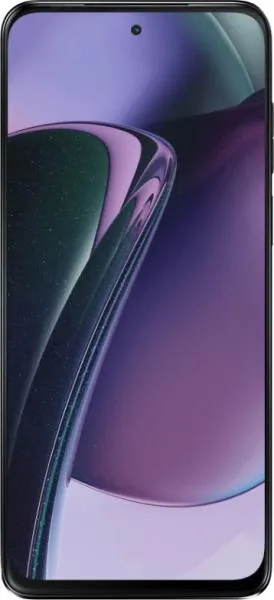
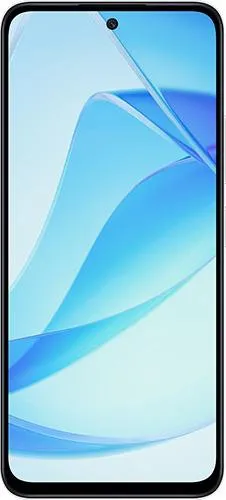
1. Specifications Comparison
| Feature | Motorola Moto G Stylus 5G (2023) | Xiaomi Redmi 12 5G | Practical Impact |
|---|---|---|---|
| Design | |||
| Dimensions (mm) | 162.8 x 73.8 x 9.2 | 168.6 x 76.3 x 8.2 | Redmi 12 5G is slightly larger and thinner. |
| Weight (g) | 202 | 199 | Negligible weight difference. |
| Build | Material specifications missing for both, impacting durability and premium feel assessment. | ||
| Display | |||
| Size (inches) | 6.6 | 6.79 | Redmi 12 5G offers a slightly larger screen. |
| Resolution (px) | 1080 x 2400 | 1080 x 2460 | Nearly identical resolutions; minimal practical difference. |
| Refresh Rate (Hz) | 120 | 90 | Moto G Stylus offers smoother scrolling and animations. |
| Display Type | IPS LCD | IPS LCD | Similar display technology; expect comparable color accuracy and viewing angles. |
| Performance | |||
| Chipset | Snapdragon 6 Gen 1 (4 nm) | Snapdragon 4 Gen 2 (4 nm) | Moto G Stylus has a significantly more powerful processor, leading to better performance in demanding tasks and gaming. |
| CPU | Octa-core (4x2.2 GHz Cortex-A78 & 4x1.8 GHz Cortex-A55) | Octa-core (2x2.2 GHz Cortex-A78 & 6x1.95 GHz Cortex-A55) | Moto G Stylus's superior core configuration provides a noticeable performance advantage. |
| GPU | Adreno 710 | Adreno 613 | Moto G Stylus offers better graphics performance for gaming and visually intensive applications. |
| RAM | 8GB (as reviewed) | 4/6/8GB (variant dependent) | RAM comparison depends on the Redmi 12 5G variant. 8GB on both ensures smooth multitasking. |
| Camera | |||
| Main Camera (MP) | 50 | 50 | Megapixel count is similar, but sensor quality and image processing details are missing, making a direct comparison difficult. |
| Other Cameras | Wide Angle + Macro, Selfie | Portrait mode (depth), Selfie | Moto G Stylus offers a more versatile camera setup with a wide-angle lens. |
| Video Recording | 4K@30fps | 1080p@30fps | Moto G Stylus allows for higher resolution video recording. |
| Battery | |||
| Capacity (mAh) | 5000 | 5000 | Identical battery capacities; real-world battery life depends on software optimization and usage patterns. |
2. Key Differences Analysis
Motorola Moto G Stylus 5G (2023) Advantages:
- Significantly better performance: The Snapdragon 6 Gen 1 outperforms the Snapdragon 4 Gen 2, resulting in smoother multitasking, faster app loading, and better gaming capabilities.
- Higher refresh rate display: 120Hz provides a more fluid user experience.
- More versatile camera system: Inclusion of a wide-angle lens offers greater creative flexibility.
- Stylus Support: Offers precision for note-taking and drawing (not explicitly in provided specs but implied by name).
Xiaomi Redmi 12 5G Advantages:
- Slightly larger display: Offers more screen real estate for media consumption.
- Dual SIM support: Allows for using two SIM cards simultaneously.
- Potentially lower price: Depending on the specific RAM/storage configuration.
3. User Profiles & Recommendations
Motorola Moto G Stylus 5G (2023): Ideal for users who prioritize performance, a smooth display, and a versatile camera. Suitable for gaming, multitasking, and content creation. Also good for users who need a stylus for note-taking or drawing.
Xiaomi Redmi 12 5G: Suitable for budget-conscious users who prioritize a large display and dual SIM functionality. Best for users with basic needs like web browsing, social media, and calling.
4. Decision Framework
Key Questions for Buyers:
- What is your budget? The Redmi 12 5G might be a more affordable option depending on configuration.
- What level of performance do you need? For demanding tasks and gaming, the Moto G Stylus is significantly better.
- What are your most important features? Consider display size, camera versatility, dual SIM, and stylus support.
Scenario-Based Recommendations:
- Heavy user: Moto G Stylus 5G (2023)
- Budget-conscious user with basic needs: Xiaomi Redmi 12 5G
- Note-taker or artist: Motorola Moto G Stylus 5G (2023)
My Choice: Motorola Moto G Stylus 5G (2023)
While the Xiaomi Redmi 12 5G might be slightly cheaper depending on the configuration, the Motorola Moto G Stylus 5G (2023) offers significantly better performance and a smoother display, which are crucial for a satisfying user experience in the long run. The superior processor and GPU of the Moto G Stylus ensure smooth multitasking and better handling of demanding applications. The 120Hz refresh rate provides a noticeably more fluid and responsive feel compared to the 90Hz on the Redmi. Additionally, the more versatile camera system and implied stylus support make the Moto G Stylus a more compelling overall package for my needs. I prioritize performance and a smooth user experience over a slightly larger screen or dual SIM capabilities.
