1. Specifications Comparison
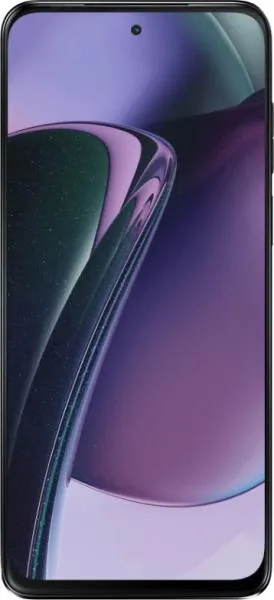
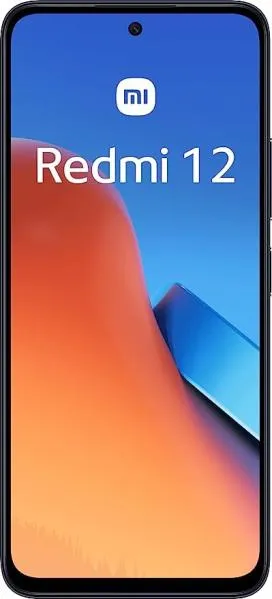
| Feature | Motorola Moto G Stylus 5G (2023) | Xiaomi Redmi 12 | Practical Impact |
|---|---|---|---|
| Design | |||
| Dimensions (mm) | 162.8 x 73.8 x 9.2 | 168.6 x 76.3 x 8.2 | Redmi 12 is slightly larger and thinner. Moto G Stylus might feel more compact in hand. |
| Weight (g) | 202 | 198.5 | Negligible weight difference. |
| Stylus | Yes | No | Significant advantage for note-taking, sketching, and precise screen interaction on the Moto G Stylus. |
| Display | |||
| Size (inches) | 6.6 | 6.79 | Redmi 12 offers a slightly larger screen for media consumption. |
| Resolution (px) | 1080 x 2400 | 1080 x 2460 | Virtually identical resolutions; sharpness will be similar. |
| Refresh Rate (Hz) | 120 | 90 | Moto G Stylus provides smoother scrolling and animations with its higher refresh rate. |
| Display Type | IPS LCD | IPS LCD | Both use IPS LCD technology, expecting similar color accuracy and viewing angles. |
| Performance | |||
| Chipset | Snapdragon 6 Gen 1 (4 nm) | Helio G88 (12 nm) | Snapdragon 6 Gen 1 offers significantly better performance and efficiency due to its superior architecture and manufacturing process. |
| CPU | Octa-core (4x2.2 GHz Cortex-A78 & 4x1.8 GHz Cortex-A55) | Octa-core (2x2.0 GHz Cortex-A75 & 6x1.8 GHz Cortex-A55) | Moto G Stylus has a more powerful CPU architecture, leading to faster app loading, multitasking, and demanding tasks. |
| GPU | Adreno 710 | Mali-G52 MC2 | Adreno 710 offers better gaming and graphics performance. |
| RAM (GB) | 4/6/8 (region dependent) | 4/6/8 (region dependent) | RAM parity, although performance will still favor the Moto G Stylus due to its superior processor. |
| Camera | |||
| Main Camera (MP) | 50 | 50 | Similar megapixel count, but image quality will likely differ due to sensor and processing differences. |
| Ultrawide (MP) | 8 | 8 | Similar megapixel count. |
| Macro (MP) | 2 | Redmi 12 has a dedicated macro lens, though its usefulness depends on implementation quality. | |
| Video Recording | 4K@30fps | 1080p@30fps | Moto G Stylus supports higher resolution video recording. |
| Battery | |||
| Capacity (mAh) | 5000 | 5000 | Identical battery capacities; real-world battery life will depend on software optimization and usage patterns. |
2. Key Differences Analysis
Motorola Moto G Stylus 5G (2023) Advantages:
- Significantly better performance: The Snapdragon 6 Gen 1 offers a noticeable performance advantage for demanding tasks and gaming.
- Smoother Display: The 120Hz refresh rate provides a more fluid user experience.
- Stylus Support: Integrated stylus for note-taking and drawing.
- Higher Resolution Video Recording: Capable of recording 4K video.
Xiaomi Redmi 12 Advantages:
- Slightly Larger Display: Offers more screen real estate for media consumption.
- Dedicated Macro Lens: Potentially better for extreme close-up shots. (Quality undetermined)
- Dual SIM: Supports two SIM cards simultaneously.
- Potentially Lower Price: Depending on the specific RAM/storage configuration.
3. User Profiles & Recommendations
Moto G Stylus 5G (2023): Ideal for users who value performance, a smooth display, and the utility of a stylus. Students, artists, and multitaskers would benefit.
Xiaomi Redmi 12: Best suited for budget-conscious users prioritizing a large display and dual SIM functionality. Light users focused on media consumption and basic tasks would find this suitable.
4. Decision Framework
Key Questions for Buyers:
- What is your budget? The Redmi 12 is likely more affordable.
- Do you need a stylus? This is a key differentiator, making the Moto G Stylus unique.
- How important is performance? The Moto G Stylus offers a significantly more powerful chipset.
My Choice: Motorola Moto G Stylus 5G (2023)
While the Redmi 12 offers a larger display and potential cost savings, the Moto G Stylus 5G (2023)'s superior performance, smoother 120Hz display, and integrated stylus make it the more compelling device for me. The Snapdragon 6 Gen 1 provides a much better user experience in the long run, especially for demanding tasks and gaming. The stylus adds unique functionality for productivity and creativity. While I appreciate the Redmi 12's dual SIM capability, it's not a feature I prioritize over performance and overall user experience. The slightly smaller screen size is a negligible trade-off for the significant performance gains.
