1. Specifications Comparison
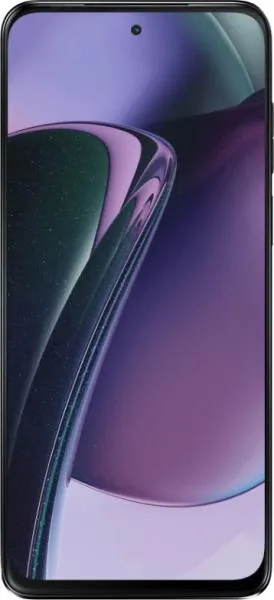
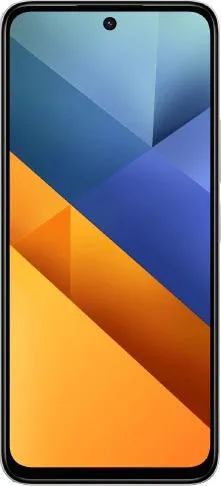
| Feature | Motorola Moto G Stylus 5G (2023) | Xiaomi Poco M6 4G | Practical Impact |
|---|---|---|---|
| Design | |||
| Dimensions (mm) | 162.8 x 73.8 x 9.2 | 168.6 x 76.3 x 8.3 | Poco M6 4G is slightly larger and thinner. |
| Weight (g) | 202 | 205 | Negligible weight difference. |
| Stylus | Yes | No | Moto G Stylus offers note-taking and drawing capabilities. |
| Display | |||
| Size (inches) | 6.6 | 6.79 | Poco M6 4G has a slightly larger screen. |
| Resolution (px) | 1080 x 2400 | 1080 x 2460 | Very similar resolutions; minimal practical difference. |
| Refresh Rate (Hz) | 120 | 90 | Moto G Stylus provides smoother scrolling and animations. |
| Display Type | IPS LCD | IPS LCD | Both use IPS LCD technology, expect similar color accuracy and viewing angles. |
| Performance | |||
| Chipset | Snapdragon 6 Gen 1 (4 nm) | Helio G91 Ultra (12 nm) | Snapdragon 6 Gen 1 generally offers better performance and efficiency due to smaller node size. |
| CPU | Octa-core (4x2.2 GHz Cortex-A78 & 4x1.8 GHz Cortex-A55) | Octa-core (2x2.0 GHz Cortex-A75 & 6x1.8 GHz Cortex-A55) | Moto G Stylus likely has a performance edge in demanding tasks. |
| GPU | Adreno 710 | Mali-G52 MC2 | Adreno 710 generally offers better gaming performance. |
| RAM (GB) | 8 (Version Dependent) | 6/8 (Version Dependent) | More RAM in certain Moto configurations enables better multitasking. |
| Camera | |||
| Main Camera (MP) | 50 | 108 | Poco M6 4G boasts higher resolution, potentially capturing more detail. Actual image quality depends on sensor and processing. |
| Video Recording | 4K@30fps | 1080p@30fps | Moto G Stylus offers higher resolution video recording. |
| Front Camera (MP) | 16 | 13 | Moto G Stylus has a slightly higher resolution front camera. |
| Battery | |||
| Capacity (mAh) | 5000 | 5030 | Negligible difference in battery capacity. Real-world battery life depends on usage and optimization. |
| Other | |||
| 5G Connectivity | Yes | No | Moto G Stylus offers faster cellular data speeds where available. |
| OS | Android 13 | Android 14 | Poco M6 4G ships with a newer Android version out of the box. |
| Price Range | Medium | Low | Poco M6 4G is generally more affordable. |
2. Key Differences Analysis
Motorola Moto G Stylus 5G (2023) Advantages:
- Stylus Support: Unique feature for note-taking, sketching, and precise screen interaction.
- Smoother Display: 120Hz refresh rate provides a more fluid user experience.
- Better Performance: Snapdragon 6 Gen 1 offers superior processing power and graphics capabilities.
- 5G Connectivity: Enables faster download and upload speeds.
- Higher Resolution Video Recording: Captures 4K video.
Xiaomi Poco M6 4G Advantages:
- Lower Price: More budget-friendly option.
- Larger Display: Slightly larger screen for media consumption.
- Higher Resolution Main Camera: 108MP sensor potentially captures more detail.
- Newer Android Version: Ships with Android 14, offering the latest features and security updates.
- Dual SIM: Supports two SIM cards for greater flexibility.
3. User Profiles & Recommendations
Motorola Moto G Stylus 5G (2023): Ideal for users who:
- Value note-taking and sketching capabilities.
- Prioritize a smooth and responsive display.
- Need good overall performance for multitasking and moderate gaming.
- Require 5G connectivity.
Xiaomi Poco M6 4G: Ideal for users who:
- Are on a tight budget.
- Primarily use their phone for media consumption, social media, and basic tasks.
- Prioritize a large display.
- Need dual SIM functionality.
4. Decision Framework
Key Questions for Buyers:
- Is a stylus important to you? If yes, the Moto G Stylus is the clear choice.
- What is your budget? The Poco M6 4G offers excellent value for its price.
- Do you need 5G connectivity? This is a crucial factor if you live in an area with 5G coverage.
Scenario-Based Recommendations:
- Student on a budget: Poco M6 4G
- Professional who takes notes frequently: Moto G Stylus 5G (2023)
- Casual user who prioritizes affordability: Poco M6 4G
- Power user who needs performance and 5G: Moto G Stylus 5G (2023)
My Choice: Motorola Moto G Stylus 5G (2023)
While the Poco M6 4G offers compelling value, I would choose the Motorola Moto G Stylus 5G (2023). The stylus functionality is a significant differentiator for me, enabling convenient note-taking and sketching. The smoother 120Hz display, superior performance of the Snapdragon 6 Gen 1, and 5G connectivity further solidify my choice. Although the Poco M6 4G has a higher resolution main camera, camera quality is determined by more than just megapixels, and I prioritize the overall user experience offered by the Moto G Stylus. The price difference is justifiable for the added features and performance benefits.
