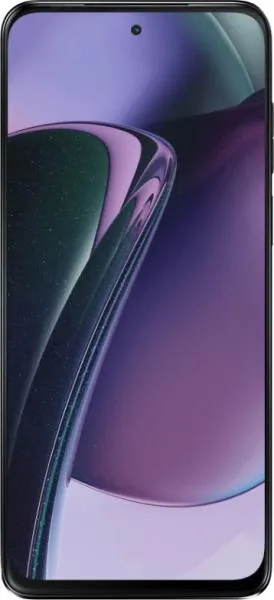

1. Specifications Comparison
| Feature | Motorola Moto G Stylus 5G (2023) | Xiaomi Poco C65 | Practical Impact |
|---|---|---|---|
| Design | |||
| Dimensions (mm) | 162.8 x 73.8 x 9.2 | 168 x 78 x 8.1 | Poco C65 is slightly larger and thinner. Negligible difference in daily use. |
| Weight (g) | 202 | 192 | Moto G Stylus is slightly heavier, but the difference is minimal. |
| Build Materials | Not specified | Not specified | Cannot compare build quality without more information. |
| Display | |||
| Display Size (inches) | 6.6 | 6.74 | Poco C65 has a slightly larger screen. |
| Resolution (pixels) | 1080 x 2400 | 720 x 1600 | Moto G Stylus has a significantly sharper display, resulting in clearer text and images. |
| Refresh Rate (Hz) | 120 | 90 | Moto G Stylus offers smoother scrolling and animations due to the higher refresh rate. |
| Display Type | IPS LCD | IPS LCD | Both use IPS LCD technology, offering good color reproduction and viewing angles. |
| Pixel Density (PPI) | 399 | 260 | Moto G Stylus has a much higher pixel density, leading to a noticeably sharper and more detailed display. |
| Performance | |||
| Chipset | Snapdragon 6 Gen 1 (4nm) | Helio G85 (12nm) | Snapdragon 6 Gen 1 offers significantly better performance and efficiency due to its more advanced architecture and smaller manufacturing process. |
| CPU | Octa-core (4x2.2 GHz Cortex-A78 & 4x1.8 GHz Cortex-A55) | Octa-core (2x2.0 GHz Cortex-A75 & 6x1.8 GHz Cortex-A55) | Moto G Stylus has a more powerful CPU configuration, resulting in faster app loading, smoother multitasking, and better gaming performance. |
| GPU | Adreno 710 | Mali-G52 MC2 | Adreno 710 offers better graphics performance for gaming and demanding tasks. |
| RAM | 8GB | 6/8GB (Variant Dependent) | More RAM on some Moto G Stylus variants enables better multitasking. |
| Camera | |||
| Main Camera (MP) | 50 | 50 | Similar megapixel count, but sensor quality and image processing are crucial and unknown. |
| Other Cameras | 8MP Wide + Macro, 16MP Selfie | 2MP Macro, 2MP Depth, 8MP Selfie | Moto G Stylus seems to have a more useful secondary camera setup. |
| Video Recording | 4K@30fps, 1080p@60fps | 1080p@30fps | Moto G Stylus allows for higher resolution and frame rate video recording. |
| Battery | |||
| Capacity (mAh) | 5000 | 5000 | Similar battery capacity suggests comparable battery life, but real-world usage will vary based on other factors. |
2. Key Differences Analysis
Motorola Moto G Stylus 5G (2023) Advantages:
- Significantly better performance: The Snapdragon 6 Gen 1 provides a smoother user experience.
- Sharper display: Higher resolution and pixel density provide clearer visuals.
- Smoother display: 120Hz refresh rate ensures fluid scrolling and animations.
- Superior video recording: Offers 4K resolution and higher frame rates.
- Potentially better secondary camera: Wide-angle lens is generally more useful than a dedicated depth sensor.
Xiaomi Poco C65 Advantages:
- Lower price: Positioned in the low price range, offering budget-conscious buyers an affordable option.
- Dual SIM: Supports two SIM cards simultaneously for users needing multiple numbers.
- Slightly larger display: Offers a slightly more immersive viewing experience.
3. User Profiles & Recommendations
Motorola Moto G Stylus 5G (2023): Ideal for users who prioritize performance, a smooth and sharp display, and good multimedia capabilities. Suitable for gaming, content consumption, and multitasking.
Xiaomi Poco C65: Best suited for budget-conscious users who prioritize basic functionality and affordability over performance and premium features. Good for users who primarily use their phone for calling, texting, and light web browsing.
4. Decision Framework
Key Questions for Buyers:
- What is your budget? The Poco C65 is significantly cheaper.
- What are your performance expectations? The Moto G Stylus offers a much smoother experience.
- What are your primary use cases? The Moto G Stylus excels in multimedia and demanding tasks, while the Poco C65 is sufficient for basic usage.
My Choice: Motorola Moto G Stylus 5G (2023)
While the Xiaomi Poco C65 offers an attractive price point, the Motorola Moto G Stylus 5G (2023) is the superior device overall. The significantly improved performance, sharper and smoother display, and better multimedia capabilities outweigh the price difference for me. The Snapdragon 6 Gen 1 provides a noticeably better user experience compared to the Helio G85. While I acknowledge the Poco C65's value for budget-conscious buyers, I prioritize a fluid and responsive phone for daily use. The higher resolution display and faster refresh rate of the Moto G Stylus are crucial for a pleasant user experience in my opinion.
