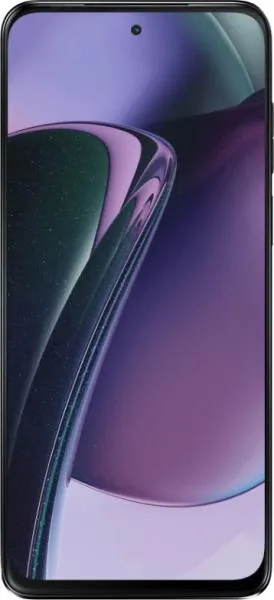
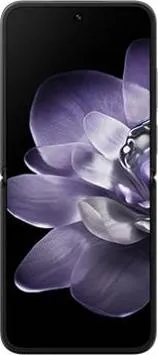
1. Specifications Comparison
| Feature | Motorola Moto G Stylus 5G (2023) | Xiaomi Mix Flip | Practical Impact |
|---|---|---|---|
| Design | |||
| Dimensions (mm) | 162.8 x 73.8 x 9.2 | 167.5 x 74 x 7.6 | Mix Flip is slightly wider but significantly thinner due to its foldable design. Moto G Stylus is taller. |
| Weight (g) | 202 | 190 | Mix Flip is lighter despite larger screen size, likely due to material choices. |
| Foldable | No | Yes | Mix Flip offers greater portability when folded but introduces a potential point of failure with the hinge. |
| Stylus | Yes | Not specified | Moto G Stylus offers precise input for note-taking and drawing; information lacking for Mix Flip. |
| Display | |||
| Size (inches) | 6.6 | 6.86 | Mix Flip has a noticeably larger screen, providing more immersive content consumption. |
| Resolution (pixels) | 1080 x 2400 | 1224 x 2912 | Mix Flip has a sharper display with higher pixel density, resulting in crisper images and text. |
| Type | IPS LCD, 120Hz | Foldable LTPO AMOLED, 120Hz | Mix Flip's AMOLED offers superior contrast, deeper blacks, and potentially better power efficiency due to LTPO. |
| Peak Brightness (nits) | Not specified | 3000 | Mix Flip's significantly higher brightness ensures better outdoor visibility; Motorola's peak brightness is unknown. |
| Performance | |||
| Chipset | Snapdragon 6 Gen 1 | Snapdragon 8 Gen 3 | Mix Flip boasts a significantly more powerful processor, enabling smoother multitasking, demanding gaming, and faster app loading. |
| RAM (GB) | 8 | 12 | Mix Flip's larger RAM allows for more apps to run in the background without performance slowdown. |
| Camera | |||
| Main Camera (MP) | 50 | 50 | Comparable megapixel count; sensor quality and other features will determine actual image quality differences. |
| Telephoto | No | Yes (60MP) | Mix Flip offers optical zoom for better quality zoomed images; Motorola relies on digital zoom. |
| Video | 4K@30fps | 8K@24fps | Mix Flip supports higher resolution video recording. |
| Battery | |||
| Capacity (mAh) | 5000 | 4780 | Moto G Stylus has a slightly larger battery; real-world battery life depends on usage and efficiency. Foldable displays often consume more power. |
2. Key Differences Analysis
Motorola Moto G Stylus 5G (2023) Advantages:
- Lower Price: Expected to be significantly cheaper.
- Larger Battery: Potentially longer battery life, though real-world usage will vary.
- Integrated Stylus: Offers unique functionality for note-taking and drawing.
Xiaomi Mix Flip Advantages:
- Significantly More Powerful: Superior performance for demanding tasks and gaming.
- Higher Quality Display: Brighter, sharper, and more vibrant AMOLED screen.
- Foldable Design: Enhanced portability and a more compact form factor when folded.
- Superior Camera System: Telephoto lens for optical zoom and higher resolution video recording capabilities.
3. User Profiles & Recommendations
Motorola Moto G Stylus 5G (2023):
- Budget-conscious users: Prioritize affordability over top-tier specs.
- Note-takers and artists: Value the integrated stylus for precise input.
- Casual users: Primarily use their phone for basic tasks like calling, texting, and social media.
Xiaomi Mix Flip:
- Power users: Demand top-of-the-line performance and the latest technology.
- Enthusiasts: Appreciate cutting-edge features like a foldable display and high-end camera.
- Professionals: Require a device for demanding tasks and multimedia creation.
4. Decision Framework
Key Questions for Buyers:
- What is your budget? The Mix Flip is expected to be considerably more expensive.
- What are your primary use cases? Do you need a stylus, or prioritize performance and a high-quality display?
- How important is portability? The foldable design of the Mix Flip offers a unique advantage in this regard.
My Choice: Xiaomi Mix Flip
While significantly more expensive, the Xiaomi Mix Flip offers a compelling package of cutting-edge technology and features. The superior performance, stunning display, and advanced camera system outweigh the price premium for me. The foldable form factor, although potentially introducing durability concerns, offers a unique advantage in portability. While the Moto G Stylus provides excellent value for its price, I prioritize performance and a premium user experience. The lack of detailed camera sensor information for the Moto G Stylus makes a thorough camera comparison difficult, but the Mix Flip's inclusion of a telephoto lens and 8K video recording clearly points to a more capable camera system. Finally, the Mix Flip's larger RAM ensures smoother performance in the long run.
