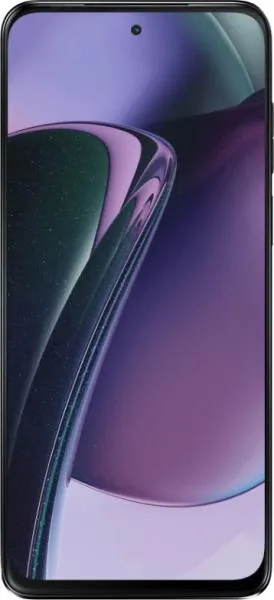
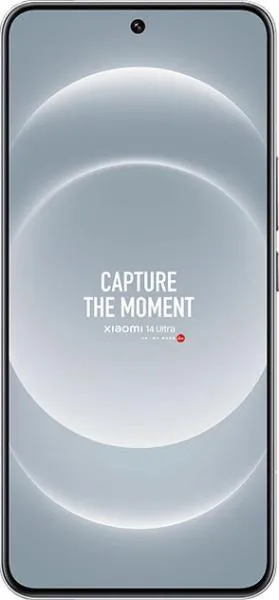
1. Specifications Comparison
| Feature | Motorola Moto G Stylus 5G (2023) | Xiaomi 14 Ultra | Practical Impact |
|---|---|---|---|
| Design | |||
| Dimensions (mm) | 162.8 x 73.8 x 9.2 | 161.4 x 75.3 x 9.2 | Xiaomi is slightly shorter and wider, but both have nearly identical thickness. Negligible difference in hand feel. |
| Weight (g) | 202 | 229.5 | Xiaomi is noticeably heavier, potentially impacting one-handed use and pocket comfort. |
| Build Materials | Not specified | Not specified | Cannot compare build quality and durability without this information. |
| Display | |||
| Display Type | IPS LCD, 120Hz | LTPO AMOLED, 120Hz | Xiaomi offers superior contrast, deeper blacks, and potentially better power efficiency due to LTPO technology. Brighter peak brightness (3000 nits vs unspecified) on the Xiaomi makes it far more usable outdoors. |
| Display Size (inches) | 6.6 | 6.73 | Marginal difference in screen real estate. |
| Resolution | 1080 x 2400 | 1440 x 3200 | Xiaomi has a significantly sharper display with higher pixel density, resulting in crisper text and images. |
| HDR | No HDR support specified | HDR10+, Dolby Vision | Xiaomi offers a superior HDR experience for compatible content. |
| Performance | |||
| Chipset | Snapdragon 6 Gen 1 | Snapdragon 8 Gen 3 | Xiaomi features a flagship-level processor, offering significantly faster performance for demanding tasks and gaming. |
| CPU | Octa-core (4x2.2 GHz Cortex-A78 & 4x1.8 GHz Cortex-A55) | Octa-core (1x3.3 GHz Cortex-X4 & 3x3.2 GHz Cortex-A720 & 2x3.0 GHz Cortex-A720 & 2x2.3 GHz Cortex-A520) | The Xiaomi's CPU offers a significant performance advantage due to its newer architecture and higher clock speeds. |
| GPU | Adreno 710 | Adreno 750 | Xiaomi's GPU provides a better gaming experience with higher frame rates and smoother visuals. |
| RAM | 8GB | 16GB | Xiaomi provides double the RAM, allowing for smoother multitasking and better performance with memory-intensive applications. |
| Camera | |||
| Rear Camera | 50MP Main, 8MP Wide+Macro | 50MP Main, 50MP Wide+Macro, 50MP Telephoto (3.2x), 50MP Telephoto (5x) | Xiaomi boasts a significantly more versatile camera system with multiple telephoto lenses for optical zoom. Superior low-light performance likely due to larger sensor and variable aperture on the main lens. |
| Video Recording | 4K@30fps | 8K@30fps | Xiaomi allows for higher resolution video recording. |
| Battery | |||
| Capacity | 5000 mAh | 5000 mAh | Similar battery capacity, but real-world battery life will depend on software optimization and display power consumption. Xiaomi's LTPO display may provide some battery life advantage. |
2. Key Differences Analysis
Motorola Moto G Stylus 5G (2023) Advantages:
- Price: Likely significantly cheaper.
- Stylus Support: Offers stylus functionality for note-taking and drawing (not explicitly mentioned in specs but implied by name).
Xiaomi 14 Ultra Advantages:
- Superior Performance: Significantly faster processor and GPU, more RAM.
- Higher Quality Display: AMOLED with HDR, higher resolution and refresh rate.
- More Versatile Camera System: Multiple telephoto lenses, potentially better low-light performance.
- Faster Charging and Data Transfer: USB 3.2 Gen 2 vs USB 2.0.
3. User Profiles & Recommendations
Motorola Moto G Stylus 5G (2023): Budget-conscious users who prioritize stylus functionality for note-taking or drawing. Suitable for light tasks, web browsing, and casual media consumption.
Xiaomi 14 Ultra: Users who demand top-tier performance, a premium display, and a versatile camera system. Ideal for mobile gaming, content creation, and professional photography/videography.
4. Decision Framework
Key Questions for Buyers:
- What is your budget? The Moto G Stylus is likely a much more affordable option.
- What are your primary use cases? Stylus use vs. demanding tasks, gaming, photography.
- How important is display quality and performance? Xiaomi excels in these areas.
Scenario-Based Recommendations:
- Limited Budget, Note-Taker: Motorola Moto G Stylus 5G (2023)
- Power User, Photographer/Videographer: Xiaomi 14 Ultra
My Choice: Xiaomi 14 Ultra
While the price difference is significant, the Xiaomi 14 Ultra offers a substantial upgrade in every aspect. The superior performance, display, and camera system cater to my needs as a power user who values a smooth and premium experience. I frequently multitask, consume media, and occasionally engage in mobile gaming, all of which benefit from the Xiaomi's flagship hardware. The enhanced camera capabilities are also attractive for capturing high-quality photos and videos. The added weight is a minor trade-off for the substantial performance and feature gains. While the Moto G Stylus offers a unique selling point with its stylus, it doesn't outweigh the comprehensive advantages of the Xiaomi 14 Ultra for my usage pattern.
