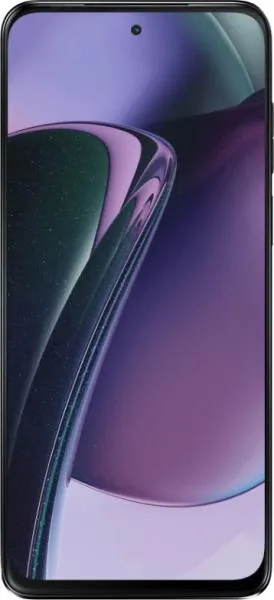
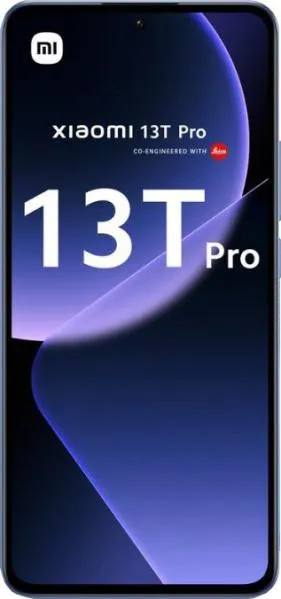
1. Specifications Comparison
| Feature | Motorola Moto G Stylus 5G (2023) | Xiaomi 13T Pro | Practical Impact |
|---|---|---|---|
| Design | |||
| Dimensions (mm) | 162.8 x 73.8 x 9.2 | 162.2 x 75.7 x 8.5 | Xiaomi 13T Pro is slightly thinner and potentially more pocketable. |
| Weight (g) | 202 | 200 | Negligible weight difference in practical use. |
| Build Material | Not specified | Not specified | Cannot compare build quality and durability. |
| Stylus | Yes | No | The Moto G Stylus offers unique note-taking and drawing capabilities. |
| Display | |||
| Display Type | IPS LCD, 120Hz | AMOLED, 144Hz | Xiaomi's AMOLED offers superior contrast, deeper blacks, and potentially better outdoor visibility. Higher refresh rate results in smoother animations and scrolling. |
| Size (inches) | 6.6 | 6.67 | Marginally larger display on the Xiaomi. |
| Resolution | 1080 x 2400 | 1220 x 2712 | Significantly sharper and more detailed visuals on the Xiaomi due to higher resolution. |
| HDR | No HDR support specified | Dolby Vision, HDR10+ | Xiaomi offers a significantly enhanced viewing experience for HDR content with richer colors and greater dynamic range. |
| Peak Brightness | Not specified | 2600 nits | Xiaomi likely offers much better visibility in direct sunlight; Moto's peak brightness is unknown. |
| Performance | |||
| Chipset | Snapdragon 6 Gen 1 | Dimensity 9200+ | The Dimensity 9200+ is a flagship-level processor, significantly more powerful than the Snapdragon 6 Gen 1, offering superior performance for demanding tasks and gaming. |
| CPU | Octa-core (4x2.2 GHz Cortex-A78 & 4x1.8 GHz Cortex-A55) | Octa-core (1x3.35 GHz Cortex-X3 & 3x3.0 GHz Cortex-A715 & 4x2.0 GHz Cortex-A510) | Xiaomi boasts a more powerful and efficient CPU architecture. |
| GPU | Adreno 710 | Immortalis-G715 MC11 | The Immortalis-G715 is considerably more powerful, delivering significantly better gaming performance and graphics rendering. |
| RAM | 8GB | 12GB/16GB | Xiaomi offers significantly more RAM, enabling smoother multitasking and better handling of demanding applications. |
| Camera | |||
| Main Camera | 50MP, f/1.88 | 50MP, f/1.9, Sony IMX707 | Xiaomi uses a larger sensor (Sony IMX707), potentially capturing more light and detail, especially in low-light conditions. |
| Telephoto | No dedicated telephoto | 50MP, f/1.9, 2x optical zoom | Xiaomi offers optical zoom for clearer zoomed-in shots; Moto relies on digital zoom. |
| Ultrawide | 8MP, f/2.2 | 13MP, f/2.2 | Xiaomi offers a higher resolution ultrawide camera for capturing wider scenes with more detail. |
| Video Recording | 4K@30fps | 8K@24fps | Xiaomi supports higher resolution video recording. |
| Battery | |||
| Capacity | 5000 mAh | 5000 mAh | Similar battery capacities suggest comparable battery life, though real-world usage may vary due to processor efficiency. |
2. Key Differences Analysis
Motorola Moto G Stylus 5G (2023) Advantages:
- Integrated Stylus: Offers precise note-taking and drawing capabilities.
- Lower Price: Generally more affordable than the Xiaomi 13T Pro.
Xiaomi 13T Pro Advantages:
- Significantly Superior Performance: The Dimensity 9200+ and Immortalis-G715 GPU provide a vastly improved experience for demanding tasks, gaming, and overall responsiveness.
- Higher Quality Display: The AMOLED display with a 144Hz refresh rate, HDR10+, and Dolby Vision support delivers vibrant colors, deeper blacks, smoother scrolling, and a better HDR experience.
- More Advanced Camera System: Larger main sensor, dedicated telephoto lens, and higher-resolution ultrawide lens offer greater versatility and potentially better image quality.
- Faster Charging: While not specified in the data, the Xiaomi 13T Pro likely supports significantly faster charging than the Moto G Stylus.
Trade-offs:
- The Moto G Stylus sacrifices performance and premium features for affordability and stylus functionality.
- The Xiaomi 13T Pro prioritizes performance and a premium multimedia experience at a higher price point.
3. User Profiles & Recommendations
Motorola Moto G Stylus 5G (2023):
- Ideal User: Budget-conscious users who prioritize note-taking, sketching, or drawing and don't require top-tier performance or gaming capabilities. Students or casual users who primarily use their phone for basic tasks.
- Use Cases: Note-taking in lectures or meetings, sketching, casual gaming, social media browsing, web browsing.
Xiaomi 13T Pro:
- Ideal User: Power users, gamers, and multimedia enthusiasts who demand top-tier performance, a stunning display, and a versatile camera system.
- Use Cases: Demanding mobile gaming, consuming HDR content, professional photography and videography, multitasking, productivity applications.
4. Decision Framework
Key Questions for Buyers:
- What is your budget? The Moto G Stylus is a more budget-friendly option.
- What are your primary smartphone usage needs? If note-taking or sketching is crucial, the Moto G Stylus is a clear choice. If performance, gaming, and multimedia are priorities, the Xiaomi 13T Pro is superior.
- How important is display quality? The Xiaomi 13T Pro's AMOLED display is a significant upgrade over the Moto G Stylus's IPS LCD.
My Choice: Xiaomi 13T Pro
While the Moto G Stylus offers a unique feature with its integrated stylus, the Xiaomi 13T Pro is the superior device overall. Its flagship-level performance, stunning AMOLED display, versatile camera system, and future-proof features justify the higher price for me. The significant difference in processing power and display quality would provide a much more enjoyable and responsive user experience in the long run. I prioritize performance, a smooth user interface, and a high-quality display, and the Xiaomi 13T Pro excels in these areas. The stylus, while a nice feature, is not essential for my usage. The leap in performance and display alone makes the 13T Pro a far more compelling device for my needs.
