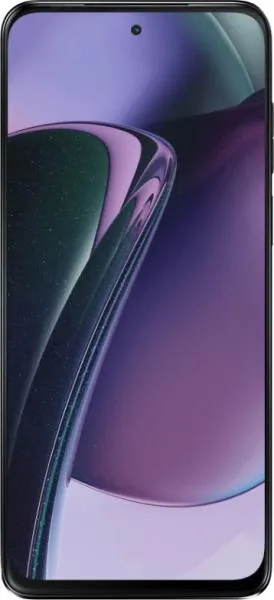

1. Specifications Comparison
| Feature | Motorola Moto G Stylus 5G (2023) | vivo X100 Pro | Practical Impact |
|---|---|---|---|
| Design | |||
| Dimensions (mm) | 162.8 x 73.8 x 9.2 | 164.1 x 75.3 x 8.9 | Vivo is slightly larger and heavier. |
| Weight (g) | 202 | 221 | Vivo is noticeably heavier in hand. |
| Build | Unspecified | Unspecified | Build quality and material differences cannot be determined. |
| Stylus | Yes | No | Moto G offers note-taking and drawing capabilities. |
| Display | |||
| Display Type | IPS LCD, 120Hz | LTPO AMOLED, 120Hz | Vivo offers significantly better contrast, colors, and potentially power efficiency due to LTPO. |
| Display Size | 6.6" | 6.78" | Vivo has a slightly larger screen. |
| Resolution | 1080 x 2400 | 1260 x 2800 | Vivo has a sharper display with higher pixel density. |
| Peak Brightness | Unspecified | 3000 nits | Vivo will be significantly more visible in direct sunlight. Missing Moto brightness limits comparison. |
| Performance | |||
| Chipset | Snapdragon 6 Gen 1 | Dimensity 9300 | Vivo offers significantly more powerful CPU and GPU, leading to smoother multitasking and gaming. |
| CPU | Octa-core (4x2.2 GHz Cortex-A78 & 4x1.8 GHz Cortex-A55) | Octa-core (1x3.25 GHz Cortex-X4 & 3x2.85 GHz Cortex-X4 & 4x2.0 GHz Cortex-A720) | Vivo's CPU architecture is more modern and powerful. |
| GPU | Adreno 710 | Immortalis-G720 MC12 | Vivo offers a substantial improvement in graphics performance. |
| RAM | 8GB (as tested) | 16GB (as tested) | Vivo's larger RAM allows for more apps to run in the background without reloading. |
| Camera | |||
| Main Camera | 50MP, f/1.88 | 50MP, f/1.75, 1" sensor | Vivo utilizes a much larger sensor, capturing more light and detail, especially in low light. |
| Ultrawide | 8MP, f/2.2 | 50MP, f/2.0 | Vivo significantly upgrades the ultrawide in resolution and quality. |
| Telephoto | No | 50MP, f/2.5, | Vivo offers optical zoom capability, absent in the Moto. |
| Video | 4K@30fps | 8K@30fps | Vivo can record higher resolution videos. |
| Battery | |||
| Capacity | 5000 mAh | 5400 mAh | Vivo has a slightly larger battery. Real-world battery life depends on usage and optimization. |
| Charging Speed | Unspecified | Unspecified | Charging speed comparison is not possible with available data. |
2. Key Differences Analysis
Motorola Moto G Stylus 5G (2023) Advantages:
- Integrated Stylus: Offers convenient note-taking and sketching.
- Lower Price: Significantly more affordable.
vivo X100 Pro Advantages:
- Superior Performance: Significantly faster processor and more RAM for demanding tasks and gaming.
- High-Quality Display: Brighter, more vibrant AMOLED with higher resolution and LTPO for potentially better battery life.
- Advanced Camera System: Larger main sensor, higher resolution ultrawide and telephoto lens, improved low-light performance, and 8K video recording.
3. User Profiles & Recommendations
Moto G Stylus 5G (2023): Budget-conscious users who prioritize note-taking, casual gaming, and basic smartphone functionality. Students or individuals who frequently need a stylus for handwriting or drawing.
vivo X100 Pro: Users who demand top-tier performance, a premium display, and a cutting-edge camera system. Mobile photographers, videographers, and gamers would appreciate its capabilities.
4. Decision Framework
Key Questions for Buyers:
- What is your budget? The Moto G is significantly cheaper.
- What are your primary use cases? Stylus use vs. high-performance needs.
- How important is camera quality? The Vivo offers a vastly superior camera experience.
At the end, write what you would choose and explain why!
I would choose the vivo X100 Pro. While significantly more expensive, the substantial upgrades in performance, display, and camera outweigh the price difference for me. I prioritize a smooth user experience, a vibrant display for media consumption, and a capable camera for capturing high-quality photos and videos. The integrated stylus of the Moto G, while useful for some, is not a feature I personally require. The Vivo's powerful Dimensity 9300 processor and ample RAM will ensure a future-proof device capable of handling demanding tasks for years to come. The superior camera system with its large sensor and versatile lenses is a major selling point. While the Moto G Stylus 5G (2023) offers excellent value for its price, the vivo X100 Pro provides a significant leap in overall quality and user experience that aligns better with my personal needs and priorities.
