1. Specifications Comparison
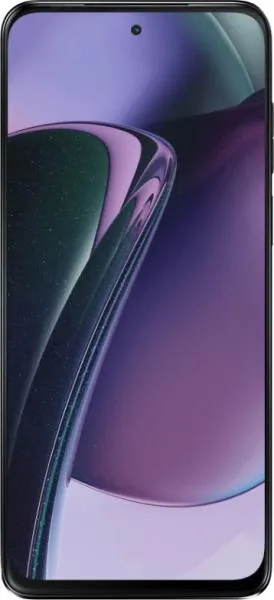
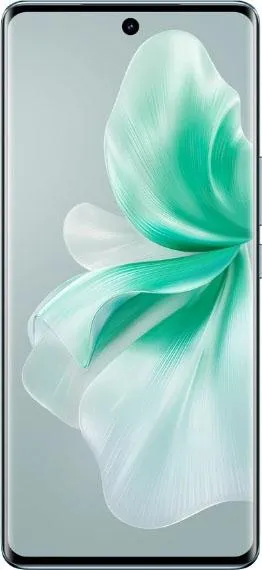
| Feature | Motorola Moto G Stylus 5G (2023) | vivo V30 | Practical Impact |
|---|---|---|---|
| Design | |||
| Dimensions (mm) | 162.8 x 73.8 x 9.2 | 164.4 x 75.1 x 7.5 | The vivo V30 is slightly larger but thinner. |
| Weight (g) | 202 | 186 | The vivo V30 is noticeably lighter, improving one-handed use. |
| Display | |||
| Display Type | IPS LCD, 120Hz | AMOLED, 1B colors, HDR10+, 120Hz | The vivo V30 offers a superior display with more vibrant colors, deeper blacks, and HDR support for richer media consumption. |
| Display Size (inches) | 6.6 | 6.78 | Marginally larger screen on the vivo V30 provides slightly more immersive viewing. |
| Resolution | 1080 x 2400 | 1260 x 2800 | Higher resolution on the vivo V30 results in sharper text and images. |
| PPI | 399 | 453 | Noticeably higher pixel density on the vivo V30 leads to a crisper display. |
| Performance | |||
| Chipset | Snapdragon 6 Gen 1 | Snapdragon 7 Gen 3 | The Snapdragon 7 Gen 3 in the vivo V30 provides significantly better performance for demanding tasks and gaming. |
| CPU | Octa-core (4x2.2 GHz Cortex-A78 & 4x1.8 GHz Cortex-A55) | Octa-core (1x2.63 GHz Cortex-A715 & 3x2.4 GHz Cortex-A715 & 4x1.8 GHz Cortex-A510) | The vivo V30 boasts a more powerful and efficient CPU architecture. |
| GPU | Adreno 710 | Adreno 720 | The vivo V30 has a more capable GPU, resulting in smoother gaming and faster graphics rendering. |
| RAM | 8GB (as tested) | 8GB (as tested) | Both phones have sufficient RAM for multitasking. |
| Camera | |||
| Main Camera | 50MP | 50MP | Comparable main camera resolution. More analysis needed based on sensor and image processing details, which are partially missing. |
| Ultrawide | 8MP | 50MP | The vivo V30 dramatically outperforms in ultrawide photography with a much higher resolution sensor. |
| Selfie Camera | 16MP | 50MP | The vivo V30 has a significantly better selfie camera with a higher resolution sensor. |
| Battery | |||
| Capacity | 5000 mAh | 5000 mAh | Similar battery capacities suggest comparable battery life, although real-world usage may vary based on software optimization and display technology. |
2. Key Differences Analysis
Motorola Moto G Stylus 5G (2023) Advantages:
- Stylus Support (Not in specs, but implied by name): Likely includes a built-in stylus for note-taking and drawing. This is a significant differentiator if handwriting input is important.
- Potentially Lower Price: While not explicitly stated in the provided data, Moto G series phones are generally more budget-friendly.
vivo V30 Advantages:
- Superior Display: The AMOLED display with HDR10+ offers significantly better visual quality for multimedia consumption.
- Significantly Better Performance: The Snapdragon 7 Gen 3 chip offers a substantial performance advantage for demanding applications and gaming.
- Higher Resolution Cameras: Specifically, a much better ultrawide and selfie camera.
- More Modern Design: Lighter and thinner build.
Trade-offs:
- The vivo V30 likely comes at a higher price point.
- The Motorola Moto G Stylus 5G likely prioritizes affordability and stylus functionality over high-end specifications.
3. User Profiles & Recommendations
Motorola Moto G Stylus 5G (2023): Ideal for budget-conscious users who prioritize note-taking, sketching, or handwriting input. Students, artists, or anyone who prefers a stylus will find this appealing. Good for basic tasks like browsing, social media, and casual gaming.
vivo V30: Suitable for users who value a premium multimedia experience, smoother performance for gaming or demanding apps, and high-quality photography, especially ultrawide and selfies.
4. Decision Framework
Key Questions for Buyers:
- What is your budget? The Moto G Stylus is likely more affordable.
- Is stylus support essential? This is a key differentiator for the Moto G Stylus.
- Do you prioritize display quality and performance? The vivo V30 excels in these areas.
Scenario-Based Recommendations:
- Limited Budget, Note-Taker: Motorola Moto G Stylus 5G.
- Multimedia Enthusiast, Mobile Gamer: vivo V30.
- Balanced User, Moderate Budget: More information on pricing is needed to make a solid recommendation. If the price difference is substantial, the Moto G Stylus 5G might offer better value. If the prices are closer, the vivo V30's superior feature set becomes more compelling.
My Choice: vivo V30
While the pricing information isn't complete, the vivo V30 offers a compelling combination of a stunning AMOLED display, powerful performance thanks to the Snapdragon 7 Gen 3, and impressive camera capabilities, especially in the ultrawide and selfie departments. The lighter and thinner design is also a plus. Unless stylus support is a critical need or budget is extremely tight, the overall user experience offered by the vivo V30 appears significantly better. The performance difference alone would likely be noticeable in daily use.
