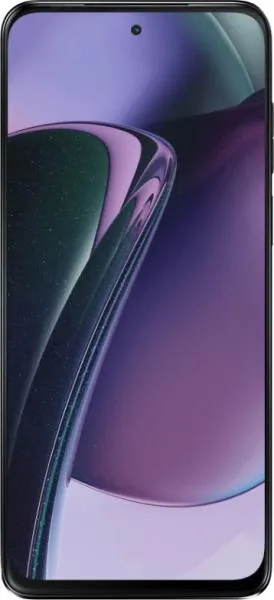
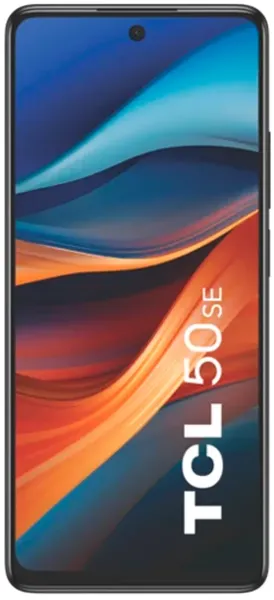
1. Specifications Comparison
| Feature | Motorola Moto G Stylus 5G (2023) | TCL 50 SE | Practical Impact |
|---|---|---|---|
| Design | |||
| Dimensions (mm) | 162.8 x 73.8 x 9.2 | 168.2 x 75.5 x 8.1 | TCL 50 SE is slightly larger and thinner. May impact one-handed usability. |
| Weight (g) | 202 | 195 | Negligible weight difference in practical usage. |
| Display | |||
| Size (inches) | 6.6 | 6.78 | TCL 50 SE offers a slightly larger display for more immersive content consumption. |
| Resolution (px) | 1080 x 2400 | 1080 x 2460 | Nearly identical resolution; sharpness difference is negligible. |
| Refresh Rate (Hz) | 120 | 90 | Motorola offers smoother scrolling and animations with the higher refresh rate. |
| Pixel Density (PPI) | 399 | Incorrect Data: 260 listed, calculates to ~396 | Virtually identical pixel density; sharpness should be comparable. Data inconsistency noted for TCL 50 SE. |
| Display Type | IPS LCD | IPS LCD | Both use IPS LCD technology, expecting similar color accuracy and viewing angles. |
| Performance | |||
| Chipset | Snapdragon 6 Gen 1 (4 nm) | Mediatek Helio G88 (12 nm) | Snapdragon 6 Gen 1 generally offers better performance and efficiency due to a more advanced manufacturing process. |
| CPU | Octa-core (4x2.2 GHz Cortex-A78 & 4x1.8 GHz Cortex-A55) | Octa-core (2x2.0 GHz Cortex-A75 & 6x1.8 GHz Cortex-A55) | Motorola likely has a performance edge in demanding tasks due to faster and more powerful cores. |
| GPU | Adreno 710 | Mali-G52 MC2 | Adreno 710 generally provides superior graphics performance for gaming. |
| RAM | 8GB (as tested) | 4/6GB (depending on version) | More RAM in the Motorola allows for smoother multitasking and app switching. The tested TCL had 6GB. |
| Camera | |||
| Main Camera (MP) | 50 | 50 | Megapixel count is similar; image quality depends on sensor and processing. |
| Video Recording | Up to 4K @ 30fps | Up to 1080p @ 30fps | Motorola allows for higher resolution video recording. |
| Front Camera (MP) | 16 | 8 | Motorola offers a higher resolution front-facing camera for better selfies. |
| Battery | |||
| Capacity (mAh) | 5000 | 5010 | Negligible difference in battery capacity. Real-world battery life depends on usage and efficiency. |
| OS | Android 13 | Android 14 | TCL 50 SE has the newer Android version, potentially offering newer features and longer software support. |
2. Key Differences Analysis
Motorola Moto G Stylus 5G (2023) Advantages:
- Superior Performance: The Snapdragon 6 Gen 1, coupled with the Adreno 710 GPU and 8GB RAM, offers significantly better performance for demanding tasks and gaming.
- Smoother Display: The 120Hz refresh rate provides a more fluid and responsive user experience.
- Higher Resolution Video Recording: Capable of recording 4K video.
- Better Front-Facing Camera: The 16MP selfie camera offers better resolution.
TCL 50 SE Advantages:
- Slightly Larger Display: Offers a slightly more immersive viewing experience.
- Dual SIM: Supports two SIM cards simultaneously, useful for travelers or those with separate work/personal numbers.
- Newer Android Version: Comes with Android 14, potentially providing longer software updates and newer features.
- Lower Price: Generally more affordable than the Motorola.
3. User Profiles & Recommendations
Motorola Moto G Stylus 5G (2023): Ideal for users who prioritize performance, a smooth display, and good camera capabilities. Suitable for mobile gaming, multitasking, and content creation. Stylus support (not detailed in specs but known) adds another layer of functionality for note-taking and drawing.
TCL 50 SE: Suitable for budget-conscious users who prioritize a large display and basic functionality. Ideal for web browsing, social media, and media consumption. Dual SIM support is a significant advantage for specific user needs.
4. Decision Framework
Key Questions for Buyers:
- What is your budget? The TCL 50 SE is generally more affordable.
- What are your performance needs? For demanding tasks and gaming, the Motorola is significantly better.
- Do you need dual SIM support? This is a key differentiator if you require two active SIM cards.
My Choice: Motorola Moto G Stylus 5G (2023)
While the TCL 50 SE offers a larger display and dual SIM for a lower price, the Motorola Moto G Stylus 5G (2023) is the better overall package for my needs. The significantly improved performance, smoother display, and better camera capabilities outweigh the minor benefits of the TCL. The stylus functionality, while not in the provided specs, is a known feature and adds value for note-taking and creative tasks. I am willing to pay a bit more for the significant performance advantage and smoother user experience. The TCL 50 SE feels compromised in key areas to achieve its price point.
