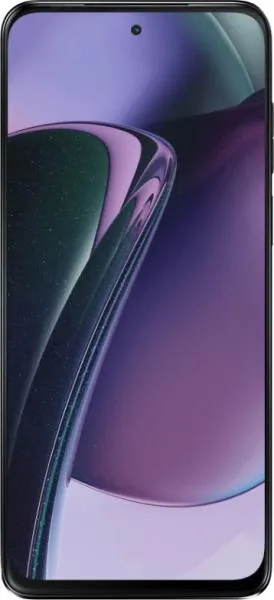
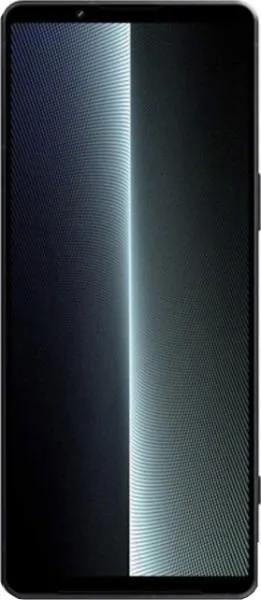
1. Specifications Comparison
| Feature | Motorola Moto G Stylus 5G (2023) | Sony Xperia 1 V | Practical Impact |
|---|---|---|---|
| Design | |||
| Dimensions (mm) | 162.8 x 73.8 x 9.2 | 165 x 71 x 8.3 | Xperia 1 V is slightly taller and narrower, potentially more pocketable. |
| Weight (g) | 202 | 187 | Xperia 1 V is noticeably lighter, improving one-handed use. |
| Build | (Missing) | (Missing) | Build materials impact durability and premium feel. This information is missing. |
| Display | |||
| Display Type | IPS LCD, 120Hz | OLED, 1B colors, 120Hz | Xperia 1 V's OLED offers deeper blacks, richer colors, and potentially better power efficiency. |
| Size (inches) | 6.6 | 6.5 | Negligible size difference. |
| Resolution | 1080 x 2400 | 1644 x 3840 | Xperia 1 V has a significantly sharper display, beneficial for media consumption and detail-oriented tasks. |
| PPI | 399 | 643 | Much higher PPI on the Xperia 1 V translates to crisper text and images. |
| Performance | |||
| Chipset | Snapdragon 6 Gen 1 | Snapdragon 8 Gen 2 | Xperia 1 V boasts a flagship chipset, resulting in significantly faster performance for demanding tasks and gaming. |
| CPU | Octa-core (4x2.2 GHz Cortex-A78 & 4x1.8 GHz Cortex-A55) | Octa-core (1x3.2 GHz Cortex-X3 & 2x2.8 GHz Cortex-A715 & 2x2.8 GHz Cortex-A710 & 3x2.0 GHz Cortex-A510) | Xperia 1 V's CPU offers superior processing power and efficiency. |
| RAM | 8GB | 12GB | More RAM on the Xperia 1 V enables smoother multitasking and handling of demanding applications. |
| Camera | |||
| Main Camera | 50MP | 48MP (Sony IMX888 sensor) | Xperia 1 V, despite lower resolution, likely produces better image quality due to its advanced sensor and optics. |
| Other Cameras | 8MP Wide + Macro, 16MP Selfie | 12.2MP Wide, 12MP Telephoto, 12MP Selfie | Xperia 1 V provides more versatile camera options with a dedicated telephoto lens. |
| Video | 4K@30fps | 4K@120fps with HDR, OIS, EIS | Xperia 1 V allows for higher resolution and frame rate video recording with enhanced stabilization and dynamic range. |
| Battery | |||
| Capacity | 5000 mAh | 5000 mAh | Similar battery capacity, but real-world battery life depends on optimization and display technology. |
2. Key Differences Analysis
Motorola Moto G Stylus 5G (2023) Advantages:
- Stylus Support: (Assumed due to name, but specification missing) Offers note-taking and drawing capabilities.
- Lower Price: Significantly more affordable.
Sony Xperia 1 V Advantages:
- Flagship Performance: Significantly faster processor, more RAM, resulting in a smoother and more responsive experience.
- Superior Display: Sharper, more vibrant OLED display with a higher refresh rate.
- More Versatile Camera System: Dedicated telephoto lens and advanced sensor technology for improved image and video quality.
- Premium Design: Likely utilizes higher quality materials (information missing).
Trade-offs:
- The Moto G Stylus offers a lower price but compromises on performance, display quality, and camera versatility.
- The Xperia 1 V delivers a premium experience but at a significantly higher cost.
3. User Profiles & Recommendations
Moto G Stylus 5G (2023): Budget-conscious users who prioritize stylus functionality for note-taking or drawing. Suitable for everyday tasks like browsing, social media, and light gaming.
Sony Xperia 1 V: Users who demand top-tier performance, a stunning display, and a versatile camera system. Ideal for mobile gaming, content creation, and multimedia consumption. Excellent for photography enthusiasts.
4. Decision Framework
Key Questions:
- What is your budget? The price difference is substantial.
- What are your primary smartphone usage patterns? (e.g., gaming, photography, note-taking)
- Do you prioritize performance and premium features or affordability?
Scenario-Based Recommendations:
- Limited Budget, Note-Taker: Moto G Stylus 5G (assuming stylus functionality)
- Power User, Mobile Gamer: Sony Xperia 1 V
- Photographer/Videographer: Sony Xperia 1 V
My Choice: Sony Xperia 1 V
While the Motorola Moto G Stylus 5G (2023) offers a tempting price, the Sony Xperia 1 V's significant advantages in performance, display, and camera make it the clear winner for me. I prioritize a smooth user experience, a high-quality display for media consumption, and a versatile camera for capturing memories. The Xperia 1 V excels in all these areas. Although the price is high, the long-term value proposition of a flagship device with superior components and potentially longer software support justifies the investment for my needs. I am willing to pay a premium for a device that will provide a consistently excellent experience for years to come.
