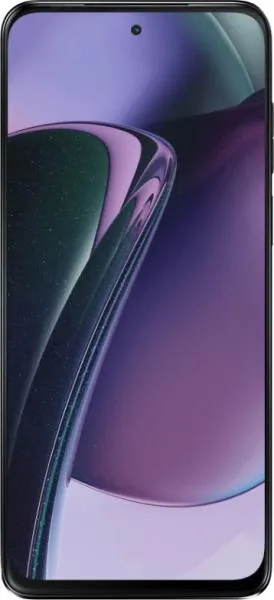
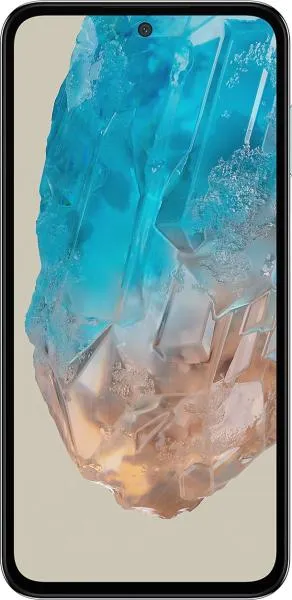
1. Specifications Comparison
| Feature | Motorola Moto G Stylus 5G (2023) | Samsung Galaxy M35 | Practical Impact |
|---|---|---|---|
| Design | |||
| Dimensions (mm) | 162.8 x 73.8 x 9.2 | 162.3 x 78.6 x 9.1 | The M35 is slightly wider. Negligible difference in daily use. |
| Weight (g) | 202 | 222 | The Moto G Stylus is noticeably lighter, more comfortable for extended use. |
| Build Material | Missing | Missing | Cannot compare build quality and durability. |
| Display | |||
| Display Type | IPS LCD, 120Hz | Super AMOLED, 120Hz | AMOLED offers deeper blacks, vibrant colors, and potentially better power efficiency. The Moto G Stylus's LCD might be brighter outdoors. |
| Size (inches) | 6.6 | 6.6 | Same screen size. |
| Resolution (px) | 1080 x 2400 | 1080 x 2340 | Virtually identical resolution, minimal difference in sharpness. |
| PPI | 399 | 390 | Negligible difference in pixel density. |
| Performance | |||
| Chipset | Snapdragon 6 Gen 1 (4 nm) | Exynos 1380 (5 nm) | Both are mid-range chipsets. Exynos 1380 generally benchmarks slightly higher, potentially offering smoother multitasking and gaming. |
| CPU | Octa-core (4x2.2 GHz Cortex-A78 & 4x1.8 GHz Cortex-A55) | Octa-core (4x2.4 GHz Cortex-A78 & 4x2.0 GHz Cortex-A55) | The M35 has slightly faster CPU clock speeds, which could translate to slightly faster app loading times. |
| GPU | Adreno 710 | Mali-G68 MP5 | Mali-G68 MP5 generally performs better in graphics-intensive tasks. |
| RAM | 8GB (varies by version) | 8GB (varies by version) | Both offer sufficient RAM for smooth multitasking. |
| Camera | |||
| Main Camera | 50MP | 50MP | Similar resolution but sensor quality information is incomplete. Moto G Stylus uses Omnivision OV50A. M35 uses Sony LYT-600, known for good performance. |
| Other Cameras | 8MP Wide+Macro, 16MP Selfie | 8MP Wide, 2MP Macro, 13MP Selfie | The M35 offers a dedicated macro lens, potentially better for close-up shots. |
| Video | 4K@30fps | 4K@30fps with EIS | M35 has Electronic Image Stabilization (EIS) for smoother video recording. |
| Battery | |||
| Capacity (mAh) | 5000 | 6000 | The M35 has significantly larger battery capacity, likely resulting in longer battery life. |
2. Key Differences Analysis
Motorola Moto G Stylus 5G (2023) Advantages:
- Lighter Weight: More comfortable for one-handed use and extended periods.
- Stylus: Offers precise input for note-taking, drawing, and navigation. (Not explicitly in specs but implied by name)
Samsung Galaxy M35 Advantages:
- Superior Display: AMOLED offers better contrast, colors, and power efficiency.
- Larger Battery: Potentially much longer battery life.
- Better GPU: Smoother performance in graphically demanding games and apps.
- Electronic Image Stabilization (EIS): Smoother video recording.
- Dual SIM: Supports two SIM cards for greater flexibility with carriers and data plans.
3. User Profiles & Recommendations
Motorola Moto G Stylus 5G (2023): Ideal for users who prioritize note-taking, drawing, or precise screen interaction and prefer a lighter phone. Students, artists, and those who frequently handwrite notes would benefit from the stylus.
Samsung Galaxy M35: Suitable for users who value a vibrant display, long battery life, and smooth performance for multimedia consumption and gaming. The dual SIM option is beneficial for international travelers or those using multiple phone numbers.
4. Decision Framework
Key Questions for Buyers:
- Is a stylus essential? This is the biggest differentiator.
- How important is battery life? The M35 offers a significantly larger battery.
- What is your budget? Consider the price difference between the two phones in relation to your needs.
Scenario-Based Recommendations:
- Student on a Budget: Moto G Stylus 5G if note-taking is paramount.
- Heavy Multimedia User: Samsung Galaxy M35 for the superior display and battery.
- International Traveler: Samsung Galaxy M35 for dual SIM support.
My Choice: Samsung Galaxy M35
While the stylus on the Moto G Stylus is a unique feature, the Samsung Galaxy M35 offers a more compelling overall package for my needs. The superior AMOLED display, significantly larger battery, better performance due to the Exynos 1380 and Mali-G68 MP5, and the inclusion of EIS for video recording are substantial advantages. I value a vibrant viewing experience and long battery life, making the M35 the better choice for me. While the price is not explicitly stated for comparable memory configurations, the M35's advantages outweigh a potential moderate price difference. The dual SIM functionality is a bonus, offering flexibility in managing mobile services.
