1. Specifications Comparison
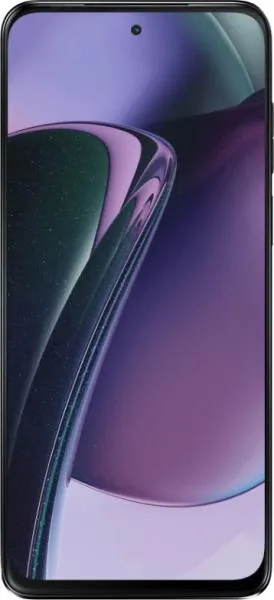
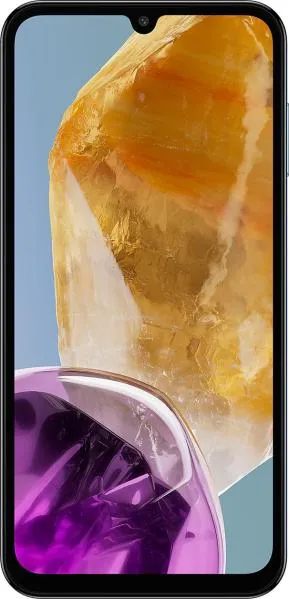
| Feature | Motorola Moto G Stylus 5G (2023) | Samsung Galaxy M15 | Practical Impact |
|---|---|---|---|
| Design | |||
| Dimensions (mm) | 162.8 x 73.8 x 9.2 | 160.1 x 76.8 x 9.3 | Moto G Stylus is slightly taller and thinner. Negligible difference in daily use. |
| Weight (g) | 202 | 217 | Moto G Stylus is noticeably lighter, more comfortable for extended use. |
| Stylus | Yes | No | Significant differentiator. Moto G Stylus enables note-taking, drawing, precise interactions. |
| Display | |||
| Display Type | IPS LCD, 120Hz | Super AMOLED, 90Hz | AMOLED offers deeper blacks, vibrant colors, and potentially better battery efficiency in dark mode. 120Hz on Moto G Stylus provides smoother scrolling and animations. |
| Size (inches) | 6.6 | 6.5 | Negligible size difference. |
| Resolution | 1080 x 2400 | 1080 x 2340 | Virtually identical sharpness. |
| Peak Brightness (nits) | Not specified | 800 | Missing spec for Moto G Stylus makes brightness comparison impossible. Galaxy M15's 800 nits ensures good outdoor visibility. |
| Performance | |||
| Chipset | Snapdragon 6 Gen 1 (4nm) | Dimensity 6100+ (6nm) | Both offer good mid-range performance. Snapdragon 6 Gen 1 generally considered slightly more powerful, especially in GPU performance. |
| CPU | Octa-core (4x2.2 GHz Cortex-A78 & 4x1.8 GHz Cortex-A55) | Octa-core (2x2.2 GHz Cortex-A76 & 6x2.0 GHz Cortex-A55) | Similar CPU configurations, likely comparable performance in everyday tasks. |
| RAM | 8GB (reviewed version) | 4GB (reviewed version) | More RAM in the Moto G Stylus allows for better multitasking and smoother performance with multiple apps. |
| Camera | |||
| Main Camera | 50MP, f/1.88, OIS | 50MP, f/1.8 | Both have 50MP main sensors. OIS on Moto G Stylus should provide better image stabilization in videos and low-light photos. |
| Ultrawide | 8MP, f/2.2 | 5MP, f/2.2 | Moto G Stylus offers a slightly higher resolution ultrawide camera. |
| Macro | Yes | Yes | Both have dedicated macro lenses. Practical usability depends on implementation, not just presence. |
| Video Recording | 4K@30fps | 1080p@30fps | Moto G Stylus offers superior video resolution. |
| Battery | |||
| Capacity (mAh) | 5000 | 6000 | Galaxy M15 boasts significantly larger battery capacity, likely translating to longer battery life. |
2. Key Differences Analysis
Motorola Moto G Stylus 5G (2023) Advantages:
- Stylus: Integrated stylus for note-taking, drawing, and precise control.
- Smoother Display: 120Hz refresh rate for a more fluid user experience.
- Slightly More Powerful Chipset: Potentially better performance in demanding tasks and gaming.
- Optical Image Stabilization (OIS): Improved image quality and video stabilization.
- Higher Resolution Video Recording: 4K video recording capability.
Samsung Galaxy M15 Advantages:
- Larger Battery: Significantly larger 6000mAh battery for extended usage.
- AMOLED Display: Superior contrast, vibrant colors, and potential power savings.
- Dual SIM: Supports two SIM cards simultaneously for greater flexibility.
3. User Profiles & Recommendations
Moto G Stylus 5G (2023): Ideal for students, artists, or anyone who values note-taking, sketching, or precise on-screen interaction. Also suitable for users who prioritize a smooth display and slightly better performance.
Samsung Galaxy M15: Best suited for users who prioritize long battery life and vibrant display quality. Dual SIM support is beneficial for travelers or those with multiple phone numbers.
4. Decision Framework
Key Questions for Buyers:
- How important is a stylus? If note-taking or drawing is a priority, the Moto G Stylus is the clear choice.
- What is your budget and which phone offers the best value at that price point? Current prices should be compared considering the features offered.
- Which features matter most: battery life, display quality, performance, or camera? Prioritize your needs to make the best decision.
My Choice: Motorola Moto G Stylus 5G (2023)
While the Samsung Galaxy M15 offers a larger battery and AMOLED display, the Moto G Stylus 5G's integrated stylus is a compelling feature that significantly enhances productivity and creativity. The smoother 120Hz display, slightly better performance, and OIS for the camera also contribute to a more enjoyable user experience. For my personal use, the benefits of the stylus outweigh the advantages of the Galaxy M15. The 8GB of RAM on the Moto G is also a significant advantage for multitasking, making it a more future-proof choice. Finally, while battery life is important, I'd prioritize the functionality and performance advantages of the Moto G Stylus.
