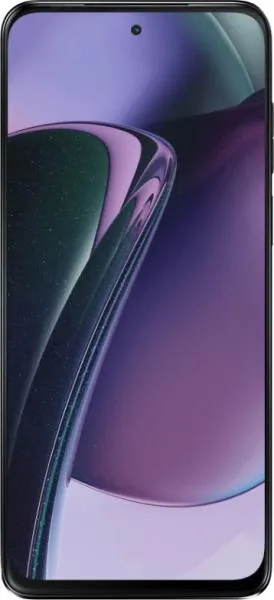
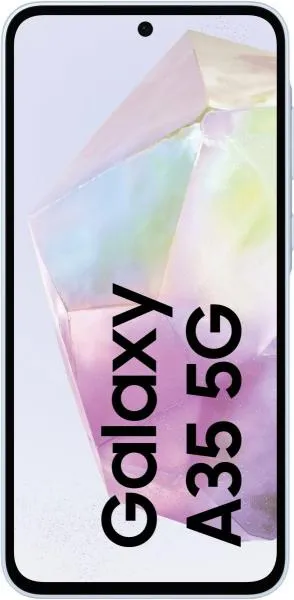
1. Specifications Comparison
| Feature | Motorola Moto G Stylus 5G (2023) | Samsung Galaxy A35 | Practical Impact |
|---|---|---|---|
| Design | |||
| Dimensions (mm) | 162.8 x 73.8 x 9.2 | 161.7 x 78 x 8.2 | Galaxy A35 is slightly shorter and thinner. Negligible difference in daily use. |
| Weight (g) | 202 | 209 | Negligible weight difference. |
| Build Material | Not specified | Not specified | Cannot compare build quality and durability. |
| Display | |||
| Display Type | IPS LCD, 120Hz | Super AMOLED, 120Hz | AMOLED offers deeper blacks, more vibrant colors, and potentially better power efficiency. |
| Size (inches) | 6.6 | 6.6 | Same screen size. |
| Resolution | 1080 x 2400 | 1080 x 2340 | Virtually identical resolution; minimal difference in sharpness. |
| PPI | 399 | 390 | Negligible difference in pixel density. |
| Performance | |||
| Chipset | Snapdragon 6 Gen 1 (4nm) | Exynos 1380 (5nm) | Exynos 1380 generally benchmarks slightly higher, offering potentially smoother performance in demanding tasks. |
| CPU | Octa-core (4x2.2 GHz Cortex-A78 & 4x1.8 GHz Cortex-A55) | Octa-core (4x2.4 GHz Cortex-A78 & 4x2.0 GHz Cortex-A55) | A35 has slightly faster CPU cores, potentially resulting in quicker app launches and multitasking. |
| GPU | Adreno 710 | Mali-G68 MP5 | Mali-G68 MP5 generally offers better gaming performance. |
| RAM | 8GB (as tested) | 6GB/8GB (variant dependent) | More RAM in the Moto G Stylus can improve multitasking and reduce app closures. Impact depends on the specific A35 variant. |
| Camera | |||
| Rear Camera | 50MP Main, 8MP Wide+Macro | 50MP Main, 8MP Wide, 5MP Macro | A35 has a dedicated macro lens, potentially offering better close-up shots. |
| Front Camera | 16MP | 13MP | Moto G Stylus has a higher resolution front camera. Image quality depends on sensor and processing, not just resolution. |
| Video | 4K@30fps | 4K@30fps with EIS | Both offer 4K recording; A35 includes Electronic Image Stabilization (EIS) for smoother videos. |
| Battery | |||
| Capacity | 5000 mAh | 5000 mAh | Same battery capacity. Actual battery life depends on usage and optimization. |
2. Key Differences Analysis
Motorola Moto G Stylus 5G (2023) Advantages:
- Stylus Support: Offers a built-in stylus for note-taking, sketching, and precise interactions. This is a major differentiator if stylus functionality is important.
- Potentially Lower Price: Depending on the RAM variant of the A35 and specific deals, the Moto G Stylus might be more affordable.
- More RAM in the tested version
Samsung Galaxy A35 Advantages:
- Superior Display: AMOLED technology provides richer colors and deeper blacks compared to the LCD on the Moto G Stylus.
- Slightly Better Performance: The Exynos 1380 and Mali-G68 MP5 generally offer a performance advantage in benchmarks, particularly for gaming.
- Dedicated Macro Lens: Potentially better quality macro photos compared to the combined wide and macro lens on the Moto G Stylus.
- Electronic Image Stabilization (EIS) for Video: Smoother video recording.
- Longer Software Support: Samsung generally provides longer software updates compared to Motorola.
3. User Profiles & Recommendations
Motorola Moto G Stylus 5G (2023): Ideal for users who prioritize note-taking, sketching, or budget-conscious buyers who want stylus functionality. Students, artists, and those who prefer handwriting input would benefit.
Samsung Galaxy A35: Suitable for users who prioritize display quality, gaming performance, and longer software updates. Those who consume a lot of media or play mobile games would appreciate the AMOLED screen and more powerful GPU.
4. Decision Framework
Key Questions for Buyers:
- Is a stylus important to you? If yes, the Moto G Stylus is the clear choice.
- What is your budget? Compare prices for specific RAM/storage configurations.
- Do you prioritize display quality and gaming performance or longer software updates? If yes, the Galaxy A35 is generally better.
My Choice: Samsung Galaxy A35
While the Stylus on the Moto G is a compelling feature for some, I would choose the Samsung Galaxy A35. The superior AMOLED display, slightly better performance (especially for gaming due to the Mali GPU), dedicated macro lens, EIS for video, and the expectation of longer software updates from Samsung make it a more well-rounded device for my needs. I value a vibrant viewing experience and smooth performance, and I'm willing to forgo the stylus for those benefits. The potentially higher price of the A35 is justified by these advantages in my opinion. I also appreciate the under-display fingerprint sensor over the side-mounted one on the Motorola.
