1. Specifications Comparison
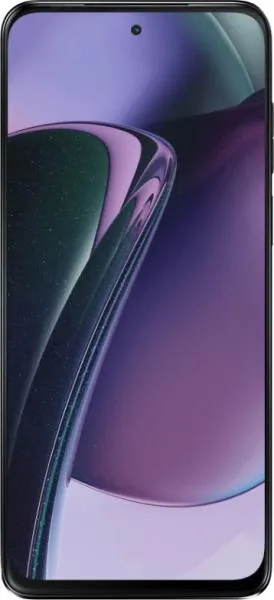
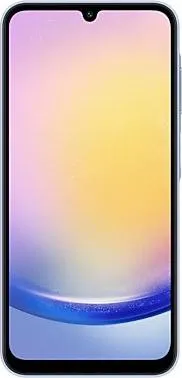
| Feature | Motorola Moto G Stylus 5G (2023) | Samsung Galaxy A25 | Practical Impact |
|---|---|---|---|
| Design | |||
| Dimensions (mm) | 162.8 x 73.8 x 9.2 | 161 x 76.5 x 8.3 | Galaxy A25 is slightly more compact and thinner. |
| Weight (g) | 202 | 197 | Negligible weight difference in practical use. |
| Build | Unspecified | Unspecified | Build quality and material differences cannot be assessed. |
| Display | |||
| Display Type | IPS LCD, 120Hz | Super AMOLED, 120Hz | AMOLED offers deeper blacks, more vibrant colors, and potentially better power efficiency. |
| Size (inches) | 6.6 | 6.5 | Negligible size difference. |
| Resolution | 1080 x 2400 | 1080 x 2340 | Nearly identical resolution; visual clarity will be similar. |
| Peak Brightness | Unspecified | 1000 nits | A25's higher peak brightness ensures better visibility in sunlight. |
| Performance | |||
| Chipset | Snapdragon 6 Gen 1 (4 nm) | Exynos 1280 (5 nm) | Both offer comparable mid-range performance, though specific benchmarks would be needed for definitive comparison. |
| CPU | Octa-core (4x2.2 GHz Cortex-A78 & 4x1.8 GHz Cortex-A55) | Octa-core (2x2.4 GHz Cortex-A78 & 6x2.0 GHz Cortex-A55) | Slight variations in core configuration; real-world performance differences might be minimal for average users. |
| GPU | Adreno 710 | Mali-G68 | Gaming performance differences cannot be definitively assessed without benchmark comparisons. |
| RAM | 8GB (listed variation) | 6GB/8GB (listed variations) | Higher RAM in some Moto G Stylus configurations could allow for smoother multitasking. |
| Camera | |||
| Main Camera | 50MP, f/1.88 | 50MP, f/1.8 | Similar main camera specifications; image quality likely depends on processing. |
| Ultrawide | 8MP, f/2.2 | 8MP, f/2.2 | Comparable ultrawide capabilities. |
| Other Cameras | Macro | Depth, Portrait | Different auxiliary cameras cater to different photography preferences. |
| Video Recording | 4K@30fps | 4K@30fps | Similar video recording capabilities. Slow-motion capabilities differ (240fps vs. 480fps), with the A25 offering higher frame rates. |
| Battery | |||
| Capacity | 5000 mAh | 5000 mAh | Identical battery capacity suggests similar battery life, although real-world usage can vary significantly. |
2. Key Differences Analysis
Motorola Moto G Stylus 5G (2023) Advantages:
- Stylus Support: The integrated stylus allows for note-taking, sketching, and precise screen interaction.
- Potentially Higher RAM: The listed 8GB RAM variant offers better multitasking capabilities compared to the 6GB A25 variant.
Samsung Galaxy A25 Advantages:
- Super AMOLED Display: Offers a superior visual experience with vibrant colors and deep blacks.
- Higher Peak Brightness: Ensures better screen visibility outdoors.
- More Software Updates: Samsung generally provides longer software update support than Motorola.
- Dual SIM: Supports two SIM cards simultaneously for greater flexibility.
- Slightly More Compact Design: Might be preferred by users seeking a smaller phone.
3. User Profiles & Recommendations
Moto G Stylus 5G (2023): Ideal for users who value note-taking, sketching, or precise on-screen interactions. Students, artists, and professionals who frequently need to jot down notes or create quick sketches would benefit from the stylus.
Samsung Galaxy A25: Suitable for users prioritizing display quality, longer software updates, and a compact form factor. Individuals who consume a lot of media or use their phones extensively outdoors would appreciate the AMOLED screen and high peak brightness. Dual SIM support is beneficial for frequent travelers or those managing multiple phone numbers.
4. Decision Framework
Key Questions for Buyers:
- Is stylus functionality a priority? If yes, the Moto G Stylus is the clear choice.
- How important is display quality? If vibrant colors and deep blacks are essential, the A25's AMOLED screen is preferable.
- What is your budget and required storage? Compare available configurations and prices for both phones to determine the best value.
My Choice: Samsung Galaxy A25
While the stylus on the Moto G Stylus 5G is a compelling feature, the Samsung Galaxy A25's superior AMOLED display, longer software update commitment, and slightly more compact design are more appealing to me personally. I prioritize screen quality and software updates, and the A25 excels in these areas. Additionally, the brighter screen makes it more usable outdoors, a significant advantage in my experience. Although specific benchmark comparisons would be ideal, the performance differences between the two chipsets are likely negligible for my typical usage. Finally, while the Moto G Stylus has an 8GB RAM option, I don't typically multitask heavily enough to necessitate the extra RAM over the A25's base 6GB. Ultimately, the A25 offers a more well-rounded package for my needs and preferences.
