1. Specifications Comparison
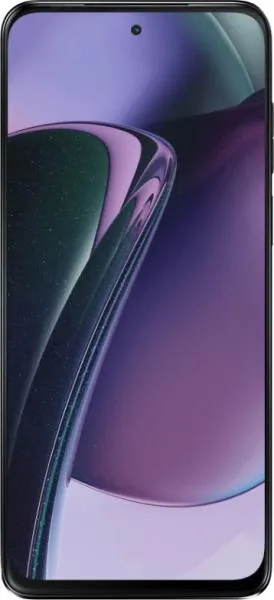
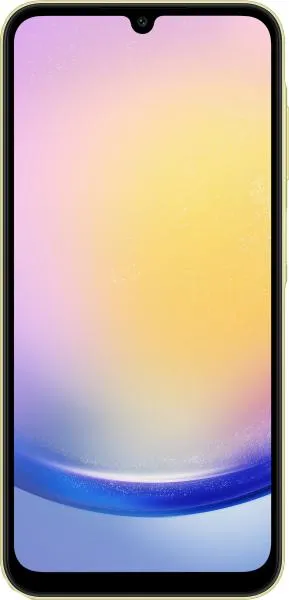
| Feature | Motorola Moto G Stylus 5G (2023) | Samsung Galaxy A15 | Practical Impact |
|---|---|---|---|
| Design | |||
| Dimensions (mm) | 162.8 x 73.8 x 9.2 | 160.1 x 76.8 x 8.4 | Galaxy A15 is slightly smaller and thinner. |
| Weight (g) | 202 | 200 | Negligible weight difference. |
| Build | Plastic | Plastic | Similar build materials. Durability information missing for both. |
| Display | |||
| Display Type | IPS LCD, 120Hz | Super AMOLED, 90Hz | Moto G Stylus has a smoother refresh rate, but A15 offers potentially better contrast and colors due to AMOLED technology. |
| Size (inches) | 6.6 | 6.5 | Negligible size difference. |
| Resolution | 1080 x 2400 | 1080 x 2340 | Virtually identical resolution. |
| PPI | 399 | 396 | Negligible difference in pixel density. |
| Performance | |||
| Chipset | Snapdragon 6 Gen 1 (4nm) | Mediatek Helio G99 (6nm) | Snapdragon 6 Gen 1 generally offers better performance and efficiency due to smaller node size. |
| CPU | Octa-core (4x2.2 GHz Cortex-A78 & 4x1.8 GHz Cortex-A55) | Octa-core (2x2.2 GHz Cortex-A76 & 6x2.0 GHz Cortex-A55) | Moto G Stylus has a slightly more powerful CPU architecture. |
| GPU | Adreno 710 | Mali-G57 MC2 | Adreno 710 generally provides better gaming performance. |
| RAM | 8GB (as reviewed) | 4GB/6GB/8GB (variant dependent) | RAM heavily influences multitasking; 8GB on the Moto G Stylus provides a significant advantage if comparing to 4GB A15 variant. |
| OS | Android 13 | Android 14 | A15 ships with a newer Android version, potentially offering newer features and longer software support. |
| Camera | |||
| Rear Camera | 50MP Main, 8MP Wide+Macro | 50MP Main, 5MP Wide, 2MP Macro | Both have similar main cameras, but the Moto has a higher resolution ultrawide. Detailed sensor specifications missing, limiting in-depth comparison. |
| Front Camera | 16MP | 13MP | Moto G Stylus has a higher resolution front camera. |
| Video | 4K@30fps | 1080p@30fps | Moto G Stylus can record video at a higher resolution. |
| Battery | |||
| Capacity | 5000 mAh | 5000 mAh | Identical battery capacity. Real-world battery life depends on optimization and usage. |
| Charging Speed | Not specified | Not specified | Unable to compare charging speeds due to missing information. |
2. Key Differences Analysis
Motorola Moto G Stylus 5G (2023) Advantages:
- Performance: The Snapdragon 6 Gen 1 and Adreno 710 offer a noticeable performance advantage for demanding tasks and gaming.
- Display Smoothness: 120Hz refresh rate provides a smoother user experience.
- Higher Resolution Video Recording: Capability to record 4K video.
Samsung Galaxy A15 Advantages:
- Display Technology: AMOLED display potentially delivers vibrant colors and deeper blacks.
- Latest OS: Android 14 may offer newer features and longer software updates.
- Dual SIM: Supports two SIM cards simultaneously for users with multiple numbers.
- Potentially Lower Price: Depending on the RAM variant, the Galaxy A15 can be cheaper.
Trade-offs:
- Moto G Stylus: IPS LCD may not offer the same visual quality as AMOLED.
- Galaxy A15: Lower performance may result in slower app loading and less smooth gaming.
3. User Profiles & Recommendations
Moto G Stylus 5G (2023): Suitable for users who prioritize performance, a smooth display, and value video recording quality. Ideal for gaming, multitasking, and media consumption.
Samsung Galaxy A15: Best suited for budget-conscious users who prefer vibrant displays and need dual SIM functionality. Ideal for everyday tasks, social media, and light gaming. Those seeking long-term software updates might also prefer the A15.
4. Decision Framework
Key Questions:
- What is your budget? The specific RAM variant significantly impacts the A15's price and performance.
- What are your primary use cases? (e.g., gaming, photography, general use).
- Do you prioritize display quality or performance?
Scenario-Based Recommendations:
- Gamer: Moto G Stylus 5G due to its superior performance.
- Budget-conscious user with basic needs: Samsung Galaxy A15 (lower RAM variant).
- User who needs dual SIM and vibrant display: Samsung Galaxy A15.
My Choice: Motorola Moto G Stylus 5G (2023)
While the Samsung Galaxy A15 offers a compelling AMOLED display and newer Android version, the Motorola Moto G Stylus 5G (2023)'s superior performance, smoother refresh rate, and 4K video recording capabilities make it the better overall device for my needs. I prioritize a fluid user experience and the ability to handle demanding tasks and games, which the Snapdragon 6 Gen 1 provides. The higher resolution video recording is also a valuable feature. While AMOLED displays are appealing, the 120Hz refresh rate on the Moto G Stylus outweighs this preference for me. Finally, I am willing to forgo dual SIM functionality for the overall performance advantages.
