1. Specifications Comparison
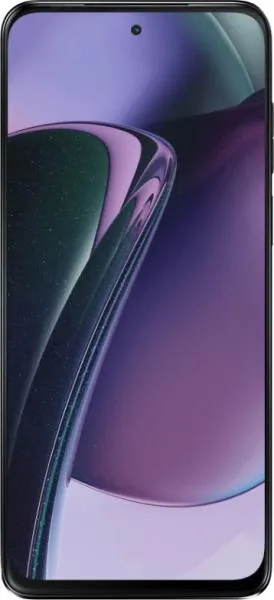
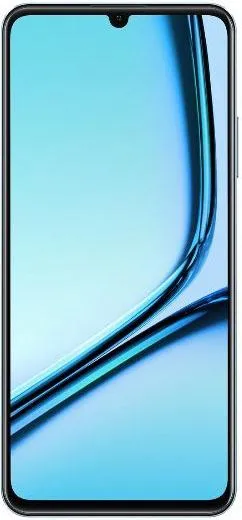
| Feature | Motorola Moto G Stylus 5G (2023) | Realme Note 50 | Practical Impact |
|---|---|---|---|
| Design | |||
| Dimensions (mm) | 162.8 x 73.8 x 9.2 | 167.2 x 76.7 x 8 | Moto is slightly smaller and thinner. Realme might feel larger in hand. |
| Weight (g) | 202 | 186 | Realme is noticeably lighter, reducing hand fatigue during extended use. |
| Stylus | Yes | No | Moto offers stylus functionality for note-taking, sketching, and precise screen interaction. |
| Display | |||
| Size (inches) | 6.6 | 6.74 | Realme offers a slightly larger screen for media consumption. |
| Resolution | 1080 x 2400 | 720 x 1600 | Moto's significantly higher resolution provides sharper text and images, resulting in a more visually appealing experience. |
| Refresh Rate (Hz) | 120 | 90 | Moto's higher refresh rate delivers smoother animations and scrolling, enhancing the overall feel of responsiveness. |
| PPI | 399 | 260 | Moto's much higher pixel density means sharper images and text; Realme's display will appear noticeably pixelated. |
| Performance | |||
| Chipset | Snapdragon 6 Gen 1 (4nm) | Unisoc Tiger T612 (12nm) | Moto's more powerful and efficient processor provides significantly better performance for demanding tasks and gaming, with better battery life. |
| CPU | Octa-core (4x2.2 GHz Cortex-A78 & 4x1.8 GHz Cortex-A55) | Octa-core (2x1.8 GHz Cortex-A75 & 6x1.8 GHz Cortex-A55) | Moto's CPU architecture is more modern and powerful, enabling smoother multitasking and faster app loading. |
| GPU | Adreno 710 | Mali-G57 | Moto's GPU offers significantly better graphics performance for gaming and visually intensive applications. |
| RAM | 4/6/8GB | 3/4GB | Moto offers higher RAM configurations enabling better multitasking and smoother performance with multiple apps open. |
| Camera | |||
| Main Camera (MP) | 50 | 13 | Moto's higher resolution main camera likely captures more detail and offers better low-light performance. However, image quality depends on sensor and software processing, not just megapixels. |
| Video Recording | 4K@30fps, 1080p@60fps | 1080p@30fps | Moto supports higher resolution video recording with smoother frame rates. |
| Battery | |||
| Capacity (mAh) | 5000 | 5000 | Similar battery capacity, but Moto's more efficient processor likely results in better overall battery life. |
| Other | |||
| NFC | Yes | No | Moto supports contactless payments and data transfer via NFC. |
| Price Range | Medium | Low | Realme is significantly cheaper. |
2. Key Differences Analysis
Motorola Moto G Stylus 5G (2023) Advantages:
- Significantly better performance: The Snapdragon 6 Gen 1, higher RAM options, and superior GPU offer a much smoother and faster user experience, particularly for demanding tasks and gaming.
- Higher quality display: The higher resolution and refresh rate result in a sharper and more responsive visual experience.
- Stylus Support: Offers precise input for note-taking and drawing.
- NFC: Enables contactless payments.
- Better camera capabilities: Higher resolution main camera and superior video recording capabilities.
Realme Note 50 Advantages:
- Lower Price: Significantly more affordable.
- Lighter Weight: More comfortable for extended use.
- Dual SIM: Supports two SIM cards simultaneously.
3. User Profiles & Recommendations
Motorola Moto G Stylus 5G (2023): Suitable for users who prioritize performance, a smooth display, a good camera, and stylus functionality. Ideal for students, creative professionals, and mobile gamers on a budget.
Realme Note 50: Best suited for budget-conscious users who prioritize basic functionality and affordability over performance and premium features. Ideal for users who primarily use their phone for calling, texting, browsing, and light social media.
4. Decision Framework
Key Questions for Buyers:
- What is your budget? The Realme Note 50 is significantly cheaper.
- What is your primary use case? For demanding tasks and entertainment, the Moto G Stylus is superior. For basic communication and light usage, the Realme might suffice.
- Do you need a stylus? This is a key differentiator, as the Moto G Stylus offers this functionality while the Realme does not.
My Choice: Motorola Moto G Stylus 5G (2023)
While the Realme Note 50 offers a lower price, the Motorola Moto G Stylus 5G (2023) provides significantly more value due to its vastly superior performance, display quality, stylus functionality, and overall feature set. The difference in price is justified by the noticeable improvement in user experience offered by the Moto G Stylus. The smoother display, faster performance, better camera, and the included stylus for productivity make it a much more versatile and enjoyable device to use in the long run. For me, the slightly higher price is a worthwhile investment for a significantly better overall smartphone experience. The Realme's lower resolution screen and less powerful processor would be major drawbacks in my daily usage.
