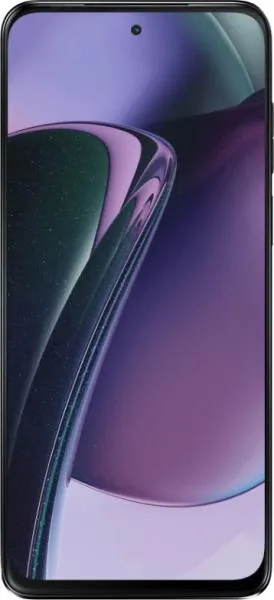
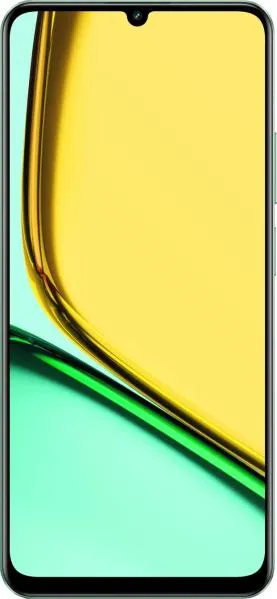
1. Specifications Comparison
| Feature | Motorola Moto G Stylus 5G (2023) | Realme C61 | Practical Impact |
|---|---|---|---|
| Design | |||
| Dimensions (mm) | 162.8 x 73.8 x 9.2 | 167.3 x 76.7 x 7.8 | The Realme C61 is slightly taller and wider, but thinner than the Motorola. |
| Weight (g) | 202 | 188 | The Realme C61 is noticeably lighter, making it more comfortable for extended use. |
| Build Materials | Missing | Missing | Build quality and durability cannot be compared without this information. |
| Display | |||
| Size (inches) | 6.6 | 6.74 | The Realme C61 offers a slightly larger screen. |
| Resolution | 1080 x 2400 | 720 x 1600 | The Motorola has a significantly sharper and more detailed display. The Realme's lower resolution will result in a less crisp image. |
| Refresh Rate (Hz) | 120 | 90 | The Motorola's 120Hz display will provide smoother scrolling and animations, leading to a more responsive feel. |
| Display Type | IPS LCD | IPS LCD | Both use IPS LCD technology, offering good color reproduction and viewing angles. |
| Pixel Density (PPI) | 399 | 260 | The Motorola's higher PPI translates to sharper text and images. The difference will be noticeable in everyday use. |
| Performance | |||
| Chipset | Snapdragon 6 Gen 1 (4nm) | Unisoc Tiger T612 (12nm) | The Snapdragon 6 Gen 1 in the Motorola is significantly more powerful and efficient than the Unisoc Tiger T612. This translates to faster app loading, smoother multitasking, and better gaming performance. |
| CPU | Octa-core (4x2.2 GHz Cortex-A78 & 4x1.8 GHz Cortex-A55) | Octa-core (2x1.8 GHz Cortex-A75 & 6x1.8 GHz Cortex-A55) | The Motorola's CPU architecture is more modern and powerful. |
| GPU | Adreno 710 | Mali-G57 | The Adreno 710 offers better graphics performance for gaming and demanding applications. |
| RAM | 8GB | 6GB | The Motorola has more RAM, enabling better multitasking and smoother performance with multiple apps open. |
| Camera | |||
| Main Camera | 50MP | 32MP | The Motorola has a higher resolution main camera sensor, potentially capturing more detail. |
| Video Recording | 4K@30fps | 1080p@30fps | The Motorola can record video at a higher resolution (4K). |
| Camera Features | OIS, Ultra stable video | The Motorola offers optical image stabilization (OIS) for steadier videos and better low-light photos. | |
| Battery | |||
| Capacity (mAh) | 5000 | 5000 | Both phones have the same battery capacity. However, real-world battery life will depend on factors like software optimization and chipset efficiency. |
2. Key Differences Analysis
Motorola Moto G Stylus 5G (2023) Advantages:
- Significantly better performance: The Snapdragon 6 Gen 1 and higher RAM provide a noticeable advantage in speed and responsiveness.
- Sharper display: Higher resolution and refresh rate contribute to a superior visual experience.
- Superior camera: Higher resolution sensor, OIS, and 4K video recording capabilities.
- 5G Connectivity: Offers faster data speeds and lower latency compared to 4G.
- Stylus Support: Although not explicitly mentioned in the specs, the name suggests stylus support, providing unique note-taking and drawing capabilities.
Realme C61 Advantages:
- Lower price: Positioned in the "low price" range, it's more budget-friendly.
- Lighter weight: More comfortable for one-handed use and extended periods.
- Dual SIM: Supports two SIM cards simultaneously, convenient for users with multiple numbers.
3. User Profiles & Recommendations
Motorola Moto G Stylus 5G (2023): Ideal for users who prioritize performance, a smooth display, a good camera, and 5G connectivity. Suitable for demanding tasks like gaming, multitasking, and media consumption. Also a good choice for those who want stylus functionality.
Realme C61: Best suited for budget-conscious users who primarily use their phones for basic tasks like calling, texting, browsing, and social media. The dual SIM functionality is beneficial for users needing two phone numbers.
4. Decision Framework
Key Questions for Buyers:
- What is your budget? The Realme C61 is significantly more affordable.
- What are your primary phone usage patterns? For demanding tasks, the Motorola is superior. For basic use, the Realme C61 is sufficient.
- How important are features like a high-quality display, a good camera, and 5G? The Motorola excels in these areas.
My Choice: Motorola Moto G Stylus 5G (2023)
While the Realme C61 offers a compelling price point, the Motorola Moto G Stylus 5G (2023) is the better overall device. The significantly improved performance, sharper display, superior camera, and 5G connectivity make it a more future-proof and versatile device. The potential for stylus functionality adds another layer of utility. While I acknowledge the price difference, the performance and feature gap are substantial enough to justify the extra cost for most users outside of a strict budget. The Motorola offers a more satisfying and enjoyable user experience in the long run.
