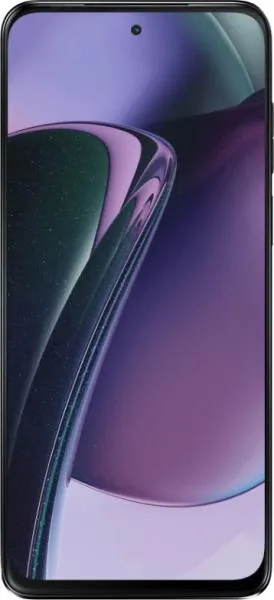
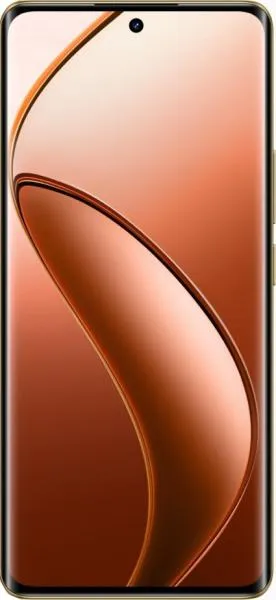
1. Specifications Comparison
| Feature | Motorola Moto G Stylus 5G (2023) | Realme 12 Pro+ | Practical Impact |
|---|---|---|---|
| Design | |||
| Dimensions (mm) | 162.8 x 73.8 x 9.2 | 161.5 x 74 x 8.8 | Realme 12 Pro+ is slightly shorter, narrower, and significantly thinner. |
| Weight (g) | 202 | 196 | Realme 12 Pro+ is slightly lighter, making it more comfortable for extended use. |
| Build Material | Not specified | Not specified | Cannot compare build quality and durability without this information. |
| Display | |||
| Display Type | IPS LCD, 120Hz | AMOLED, 1B colors, 120Hz | Realme 12 Pro+ offers superior contrast, deeper blacks, and potentially higher brightness with its AMOLED display. |
| Display Size (inches) | 6.6 | 6.7 | Negligible difference in screen real estate. |
| Resolution | 1080 x 2400 | 1080 x 2412 | Virtually identical resolution, resulting in similar sharpness. |
| Refresh Rate (Hz) | 120 | 120 | Both offer smooth scrolling and animations thanks to the 120Hz refresh rate. |
| Performance | |||
| Chipset | Snapdragon 6 Gen 1 | Snapdragon 7s Gen 2 | Realme 12 Pro+ likely offers slightly better CPU performance due to the newer and slightly faster Snapdragon 7s Gen 2. Both use the same GPU. |
| CPU | Octa-core (4x2.2 GHz Cortex-A78 & 4x1.8 GHz Cortex-A55) | Octa-core (4x2.4 GHz Cortex-A78 & 4x1.95 GHz Cortex-A55) | Realme has slightly faster clock speeds, potentially resulting in quicker app loading and multitasking. |
| GPU | Adreno 710 | Adreno 710 | Identical GPUs should provide similar gaming performance. |
| RAM | 8GB | 8GB | Both phones offer ample RAM for multitasking. |
| Camera | |||
| Main Camera | 50MP, f/1.88 | 50MP, f/1.8, Sony IMX890 | Realme 12 Pro+ utilizes a known high-quality sensor (Sony IMX890), potentially offering better image quality. |
| Ultrawide | 8MP, f/2.2 | 8MP, f/2.2 | Similar ultrawide specifications. |
| Telephoto | N/A | 64MP, f/2.6, with OIS | Realme 12 Pro+ offers a dedicated telephoto lens for optical zoom, a significant advantage. |
| Selfie Camera | 16MP, f/2.5 | 32MP, f/2.4, Sony IMX615 | Realme 12 Pro+ boasts a higher resolution selfie camera with a potentially better sensor. |
| Battery | |||
| Capacity (mAh) | 5000 | 5000 | Identical battery capacities suggest similar battery life, although real-world usage can vary. |
| Charging Speed | Not specified | Not specified | Cannot compare charging speeds without specific details. |
2. Key Differences Analysis
Motorola Moto G Stylus 5G (2023) Advantages:
- Stylus Support: While not explicitly listed in the specs, the name suggests stylus support for note-taking and drawing. This is a significant differentiator.
- Potentially Lower Price: Motorola's Moto G series is typically more budget-friendly.
Realme 12 Pro+ Advantages:
- Superior Display: AMOLED technology offers richer colors and deeper blacks compared to the LCD on the Motorola.
- Better Camera System: The inclusion of a telephoto lens with OIS and a higher-quality main sensor (Sony IMX890) points towards superior photography capabilities.
- Slightly Improved Performance: The Snapdragon 7s Gen 2 offers a minor performance boost over the Snapdragon 6 Gen 1.
- Dual SIM: Offers flexibility for users with two phone numbers.
3. User Profiles & Recommendations
Motorola Moto G Stylus 5G (2023): Ideal for budget-conscious users who prioritize note-taking, sketching, or drawing. Students, artists, and anyone who frequently uses a stylus would benefit.
Realme 12 Pro+: Suited for users who value a high-quality display, a versatile camera system with optical zoom, and strong overall performance. Content consumers, mobile photographers, and gamers would appreciate these features.
4. Decision Framework
Key Questions for Buyers:
- What is your budget? The Motorola is likely more affordable.
- Do you need stylus functionality? This is a key differentiator.
- Which features are most important to you? (Camera quality, display, performance, battery life)
Scenario-Based Recommendations:
- Limited Budget & Note-Taking Needs: Motorola Moto G Stylus 5G (2023)
- Prioritize Camera & Display Quality: Realme 12 Pro+
- Balanced Performance & Value: More detailed pricing is needed to determine the best value option.
My Choice: Realme 12 Pro+
While the stylus functionality of the Motorola is appealing, the Realme 12 Pro+ offers a more compelling overall package for my needs. The superior AMOLED display, the versatile camera system with a dedicated telephoto lens, and the slightly improved performance of the Snapdragon 7s Gen 2 are significant advantages. I prioritize a visually immersive experience and good photography capabilities, making the Realme 12 Pro+ the better choice for me. The slightly higher price (assuming based on Realme's typical pricing strategy) would be worthwhile for the noticeable upgrades in key areas. However, if the price difference is substantial, the Moto G Stylus 5G could be a strong contender depending on individual budget constraints.
