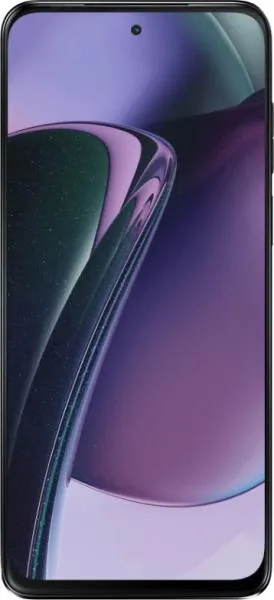
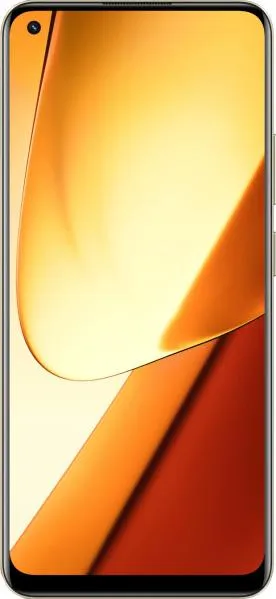
1. Specifications Comparison
| Feature | Motorola Moto G Stylus 5G (2023) | Realme 11 | Practical Impact |
|---|---|---|---|
| Design | |||
| Dimensions (mm) | 162.8 x 73.8 x 9.2 | 165.7 x 76 x 8.1 | Realme 11 is slightly taller and wider, but thinner. Moto G Stylus is slightly heavier. Differences are minimal in practical use. |
| Weight (g) | 202 | 190 | Negligible difference in hand feel. |
| Stylus | Yes | No | Significant advantage for note-taking, drawing, and precise screen interaction on the Moto G Stylus. |
| Display | |||
| Size (inches) | 6.6 | 6.72 | Realme 11 has a marginally larger display, offering slightly more screen real estate. |
| Resolution | 1080 x 2400 | 1080 x 2400 | Identical resolution, resulting in similar sharpness on both devices. |
| Panel Type | IPS LCD | AMOLED | Realme 11's AMOLED offers more vibrant colors, deeper blacks, and potentially better power efficiency. Moto G Stylus's 120Hz IPS LCD provides smoother scrolling and animations. |
| Refresh Rate (Hz) | 120 | 120 | Both offer smooth scrolling and animations thanks to the 120Hz refresh rate. |
| PPI | 399 | 392 | Negligible difference in pixel density; both displays are sharp. |
| Performance | |||
| Chipset | Snapdragon 6 Gen 1 (4nm) | Dimensity 6100+ (6nm) | Snapdragon 6 Gen 1 generally offers better performance and efficiency due to its more advanced manufacturing process (4nm vs. 6nm). |
| CPU | Octa-core (4x2.2 GHz Cortex-A78 & 4x1.8 GHz Cortex-A55) | Octa-core (2x2.2 GHz Cortex-A76 & 6x2.0 GHz Cortex-A55) | Snapdragon 6 Gen 1 likely performs better in demanding tasks due to newer Cortex-A78 cores. |
| GPU | Adreno 710 | Mali-G57 MC2 | Adreno 710 generally provides better gaming performance. |
| RAM | 8GB (as reviewed) | 8GB (as reviewed) | Equal RAM capacity should provide similar multitasking capabilities. |
| Camera | |||
| Main Camera | 50MP | 100MP | Realme 11 boasts a higher resolution main sensor, potentially capturing more detail. However, megapixel count doesn't guarantee better image quality. Real-world performance depends on sensor size, aperture, and image processing. |
| Video Recording | 4K@30fps | 1080p@30fps | Moto G Stylus offers superior video recording capabilities with 4K resolution. |
| Battery | |||
| Capacity (mAh) | 5000 | 5000 | Identical battery capacity suggests similar battery life, although actual usage will vary. |
2. Key Differences Analysis
Motorola Moto G Stylus 5G (2023) Advantages:
- Stylus Support: The integrated stylus opens up possibilities for note-taking, sketching, and precise on-screen interaction.
- Superior Video Recording: 4K video recording capability is a significant advantage over the Realme 11's 1080p.
- Generally Better Performance: The Snapdragon 6 Gen 1 chip offers a performance advantage in most tasks and potentially better power efficiency.
Realme 11 Advantages:
- AMOLED Display: The AMOLED panel delivers vibrant colors and deeper blacks for a more visually engaging experience.
- Higher Resolution Main Camera: The 100MP main camera sensor has the potential to capture more detailed images (though real-world results depend on other factors).
- Dual SIM: Supports two SIM cards simultaneously, convenient for users with multiple phone numbers. Slight Price Advantage: Based on limited pricing data, the Realme 11 might be slightly more affordable.
3. User Profiles & Recommendations
Motorola Moto G Stylus 5G (2023): Ideal for students, artists, or anyone who values note-taking, sketching, or precise screen interaction. Also a good choice for users who prioritize video recording quality.
Realme 11: Suitable for users who prioritize a vibrant display and potentially a higher-resolution camera. Dual SIM support makes it convenient for international travelers or those juggling multiple numbers.
4. Decision Framework
Key Questions for Buyers:
- Is stylus functionality important? If yes, the Moto G Stylus is the clear choice.
- Do you prioritize video recording quality? Moto G Stylus offers 4K recording, a significant advantage.
- Which display technology do you prefer? AMOLED offers vibrant colors and deep blacks, while a 120Hz IPS LCD provides smoother motion.
My Choice: Motorola Moto G Stylus 5G (2023)
While the Realme 11 offers a beautiful AMOLED display and a high-resolution camera, the Moto G Stylus 5G (2023)'s integrated stylus, superior video recording capabilities, and more powerful processor make it a more compelling overall package for my needs. The stylus significantly enhances productivity and creativity, while the better performance ensures a smoother user experience. Although I appreciate the visual appeal of AMOLED, the 120Hz refresh rate on the Moto G's IPS LCD still delivers a fluid experience. The difference in image quality between the two cameras likely won't be substantial in everyday use, while the Moto G's 4K video recording is a clear advantage. Finally, the slightly higher price for the Moto G Stylus is justified by these significant advantages.
