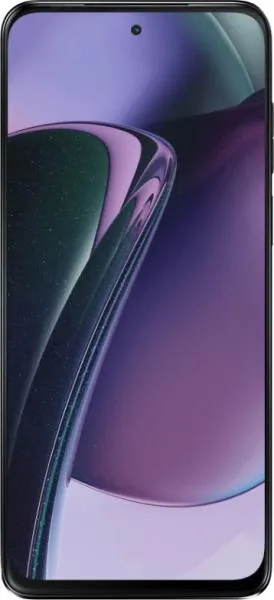
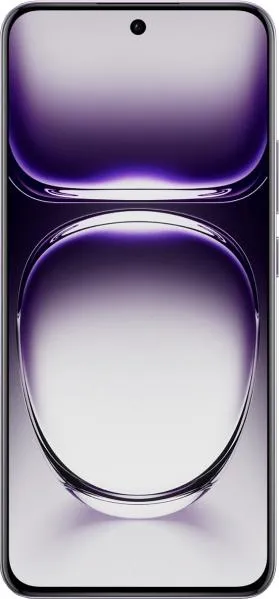
1. Specifications Comparison
| Feature | Motorola Moto G Stylus 5G (2023) | Oppo Reno12 Pro | Practical Impact |
|---|---|---|---|
| Design | |||
| Dimensions (mm) | 162.8 x 73.8 x 9.2 | 161.5 x 74.8 x 7.4 | The Oppo is slightly smaller and noticeably thinner. |
| Weight (g) | 202 | 180 | The Oppo is lighter, making it more comfortable for extended use. |
| Build | Material specifications missing for both, limiting comparison. | ||
| Display | |||
| Display Type | IPS LCD, 120Hz | AMOLED, 1B colors, 120Hz, HDR10+ | The Oppo's AMOLED offers deeper blacks, richer colors, and HDR support for superior visual quality. |
| Size (inches) | 6.6 | 6.7 | Negligible difference in screen size. |
| Resolution | 1080 x 2400 | 1080 x 2412 | Virtually identical resolution; sharpness is comparable. |
| Peak Brightness | Not specified | 1400 nits | Oppo's much higher brightness ensures better visibility in sunlight. |
| Performance | |||
| Chipset | Snapdragon 6 Gen 1 | Dimensity 7300 | Both are mid-range chipsets, but benchmarks suggest the Dimensity 7300 might offer a slight performance edge. |
| CPU | Octa-core (4x2.2 GHz Cortex-A78 & 4x1.8 GHz Cortex-A55) | Octa-core (4x2.5 GHz Cortex-A78 & 4x2.0 GHz Cortex-A55) | The Oppo has slightly higher clock speeds, potentially resulting in faster app loading and multitasking. |
| RAM | 8GB (specified version) | 12GB (specified version) | The Oppo's significantly larger RAM allows for smoother multitasking and less frequent app reloading. |
| GPU | Adreno 710 | Mali-G615 MC2 | Both are capable GPUs for mid-range gaming; specific performance comparisons require further benchmarks. |
| Camera | |||
| Main Camera | 50MP | 50MP | Similar megapixel count; image quality depends on sensor and processing. |
| Other Cameras | 8MP Wide + Macro, 16MP Selfie | 8MP Wide, 50MP Telephoto, 50MP Selfie | The Oppo features a dedicated telephoto lens for optical zoom and a significantly higher resolution selfie camera. |
| Video | 4K@30fps | 4K@30fps, up to 960fps slow-motion | Oppo offers superior slow-motion video recording capabilities. |
| Battery | |||
| Capacity | 5000 mAh | 5000 mAh | Identical battery capacity; actual battery life depends on optimization and usage. |
| Charging Speed | Not specified | Not specified | Charging speed comparison is impossible without specific data. |
2. Key Differences Analysis
Motorola Moto G Stylus 5G (2023) Advantages:
- Stylus Support: While not in the provided specs, this model is known to include a stylus for note-taking and drawing, a significant advantage for specific users.
- Potentially Lower Price: Based on available price data, the Moto G Stylus is likely more affordable.
Oppo Reno12 Pro Advantages:
- Superior Display: AMOLED with HDR10+ and higher brightness offers a significantly better viewing experience.
- More Powerful Performance: Higher clock speeds, more RAM, and a potentially stronger GPU result in smoother performance.
- Versatile Camera System: Telephoto lens enables optical zoom, and a high-resolution selfie camera caters to content creators.
- More Recent OS: Ships with a newer Android version, potentially offering longer software support.
3. User Profiles & Recommendations
Motorola Moto G Stylus 5G (2023):
- Ideal User: Budget-conscious users, students, note-takers, casual users.
- Use Cases: Note-taking, casual gaming, basic photography, everyday tasks.
Oppo Reno12 Pro:
- Ideal User: Users prioritizing multimedia consumption, mobile photography enthusiasts, gamers seeking smoother performance.
- Use Cases: Watching videos, gaming, photography with zoom capabilities, demanding applications.
4. Decision Framework
Key Questions:
- What is your budget? The Moto G Stylus likely offers better value for budget-conscious buyers.
- What are your primary use cases? The stylus support of the Moto G might be crucial for some, while the Oppo excels in multimedia and photography.
- How important is display quality and performance? The Oppo offers significant advantages in these areas.
My Choice: Oppo Reno12 Pro
While the Motorola Moto G Stylus 5G (2023) offers a unique feature with its stylus and likely a lower price point, the Oppo Reno12 Pro is the superior device overall. The AMOLED display with HDR10+, the more powerful processor and increased RAM, the versatile camera system with telephoto lens, and the newer Android OS with longer potential support outweigh the benefits of the stylus for my personal needs. I prioritize display quality, performance, and camera capabilities, making the Oppo the clear winner for me. However, if budget is extremely tight and note-taking is a primary need, the Moto G Stylus could be a compelling alternative.
