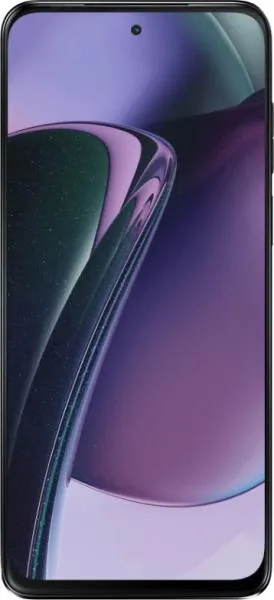
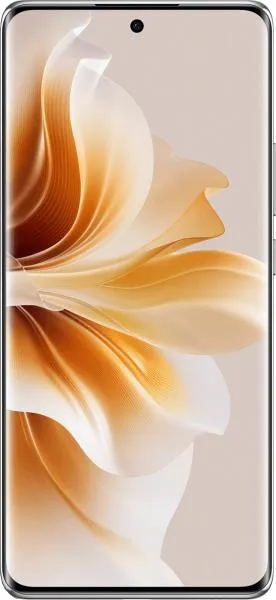
1. Specifications Comparison
| Feature | Motorola Moto G Stylus 5G (2023) | Oppo Reno11 | Practical Impact |
|---|---|---|---|
| Design | |||
| Dimensions (mm) | 162.8 x 73.8 x 9.2 | 162.4 x 74.3 x 7.9 | Oppo Reno11 is slightly thinner and lighter, improving one-handed use. |
| Weight (g) | 202 | 182 | Noticeable weight difference; Reno11 feels less bulky. |
| Display | |||
| Display Type | IPS LCD, 120Hz | AMOLED, 120Hz, HDR10+ | Reno11 offers deeper blacks, vibrant colors, and better HDR content viewing due to AMOLED technology. |
| Display Size (inches) | 6.6 | 6.7 | Negligible difference in screen real estate. |
| Resolution | 1080 x 2400 | 1080 x 2412 | Virtually identical resolution; sharpness is comparable. |
| Peak Brightness (nits) | Not specified | 950 (typical), 1400 (peak) | Reno11's significantly higher peak brightness ensures better outdoor visibility. Missing Moto G Stylus spec limits comparison. |
| Performance | |||
| Chipset | Snapdragon 6 Gen 1 (4nm) | MediaTek Dimensity 7050 (6nm) | Both offer good mid-range performance, but benchmarks would be needed to determine which is faster. Dimensity 7050 uses a slightly less efficient manufacturing process (6nm vs 4nm) |
| CPU | Octa-core (4x2.2 GHz Cortex-A78 & 4x1.8 GHz Cortex-A55) | Octa-core (2x2.6 GHz Cortex-A78 & 6x2.0 GHz Cortex-A55) | Reno11 has slightly faster clock speeds on performance cores. Real-world performance differences likely minimal for average users. |
| GPU | Adreno 710 | Mali-G68 MC4 | Different GPU architectures; gaming performance comparison requires further benchmarks. |
| RAM | 4GB/6GB/8GB (region dependent) | 8GB/12GB | Reno11 offers more RAM in its base configuration, enabling better multitasking and app switching. |
| Camera | |||
| Main Camera | 50MP, f/1.88 | 50MP, f/1.8 | Similar main camera resolution and aperture, image quality comparison requires real-world samples. |
| Ultrawide | 8MP, f/2.2 | 8MP, f/2.2 | Comparable ultrawide cameras on paper. |
| Telephoto | None | 32MP, f/2.0 | Reno11 offers a dedicated telephoto lens for optical zoom, a significant advantage for capturing distant subjects. |
| Selfie | 16MP, f/2.5 | 32MP, f/2.4 | Reno11 boasts a higher resolution selfie camera with potentially better low-light performance. |
| Battery | |||
| Capacity | 5000 mAh | 5000 mAh | Identical battery capacities; real-world battery life depends on software optimization and usage patterns. |
2. Key Differences Analysis
Motorola Moto G Stylus 5G (2023) Advantages:
- Stylus Support: This is a unique feature not present on the Reno11, offering benefits for note-taking, sketching, and precise screen interaction.
- Potentially Lower Price: Depending on configuration and region, the Moto G Stylus may be more affordable.
Oppo Reno11 Advantages:
- Superior Display: The AMOLED display with HDR10+ support provides a significantly better visual experience.
- Telephoto Camera: The dedicated telephoto lens enables optical zoom, lacking in the Moto G Stylus.
- Higher RAM: More RAM ensures smoother multitasking and better performance with demanding apps.
- More Premium Design: Thinner and lighter body contributes to a more premium feel.
3. User Profiles & Recommendations
Motorola Moto G Stylus 5G (2023): Ideal for budget-conscious users who prioritize stylus functionality for note-taking, sketching, or creative tasks. Students or professionals who frequently handwrite notes would benefit significantly.
Oppo Reno11: Suited for users who value a premium multimedia experience with a vibrant display, excellent camera versatility (including optical zoom), and smooth performance. Content consumers, mobile photographers, and gamers would appreciate its features.
4. Decision Framework
Key Questions for Buyers:
- Is a stylus essential for your daily use?
- Do you prioritize display quality and camera versatility?
- What is your budget?
Scenario-Based Recommendations:
- Tight Budget, Note-Taker: Moto G Stylus 5G
- Multimedia Enthusiast, Photographer: Oppo Reno11
My Choice: Oppo Reno11
While the stylus on the Moto G Stylus 5G is a unique feature, the Oppo Reno11's superior display, telephoto camera, greater RAM, and more premium design make it a more compelling overall package for my needs. I value a vibrant screen for media consumption and a versatile camera system for capturing high-quality photos. The improved multitasking capabilities due to higher RAM are also significant. While pricing information is incomplete, even a moderate price premium for the Reno11 would be justified by these advantages. I don't frequently use a stylus, so its absence is not a significant drawback for me.
