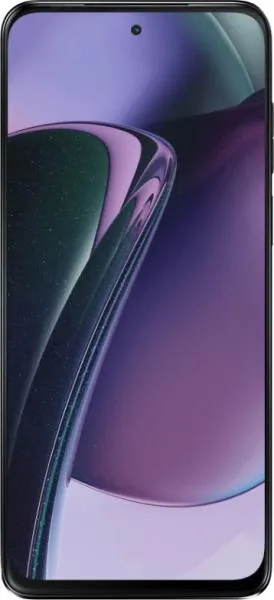
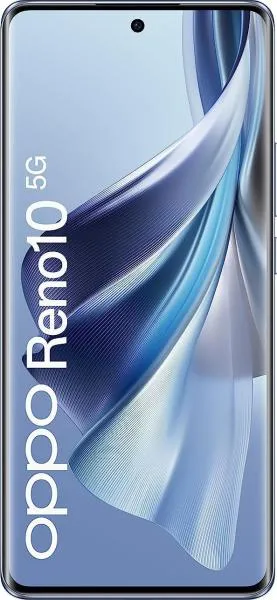
1. Specifications Comparison
| Feature | Motorola Moto G Stylus 5G (2023) | Oppo Reno10 | Practical Impact |
|---|---|---|---|
| Design | |||
| Dimensions (mm) | 162.8 x 73.8 x 9.2 | 162.4 x 74.2 x 8 | Moto is slightly taller and thicker. Oppo is slightly narrower and significantly thinner. |
| Weight (g) | 202 | 185 | Oppo is noticeably lighter, improving one-handed use. |
| Build | Plastic | Not specified | Impacts durability and premium feel. Lack of info on Oppo limits comparison. |
| Display | |||
| Display Type | IPS LCD, 120Hz | AMOLED, 120Hz | AMOLED offers deeper blacks, vibrant colors, and potentially better power efficiency. |
| Size (inches) | 6.6 | 6.7 | Negligible size difference. |
| Resolution | 1080 x 2400 | 1080 x 2412 | Virtually identical resolution; sharpness will be similar. |
| Peak Brightness | Not specified | 950 nits | Oppo's higher peak brightness ensures better visibility in sunlight. Missing Moto data limits full comparison. |
| HDR | No HDR support specified | HDR10+ | Oppo supports HDR content for a wider dynamic range and more vibrant visuals. |
| Performance | |||
| Chipset | Snapdragon 6 Gen 1 (4nm) | Dimensity 7050 (6nm) | Both offer mid-range performance. Snapdragon 6 Gen 1 generally benchmarks slightly higher, particularly in GPU tasks. 4nm process suggests potentially better power efficiency for Moto. |
| CPU | Octa-core (4x2.2 GHz Cortex-A78 & 4x1.8 GHz Cortex-A55) | Octa-core (2x2.6 GHz Cortex-A78 & 6x2.0 GHz Cortex-A55) | Oppo has slightly higher clock speeds on performance cores, but core configuration differences make direct performance comparison difficult without benchmarks. |
| GPU | Adreno 710 | Mali-G68 MC4 | Adreno 710 generally delivers stronger gaming performance. |
| RAM | 8GB (as reviewed) | 8GB | Equivalent RAM capacity for multitasking. |
| Camera | |||
| Main Camera | 50MP, f/1.88 | 64MP, f/1.7 | Oppo has a higher resolution main sensor and a wider aperture, potentially capturing more detail and light in low-light conditions. |
| Ultrawide | 8MP, f/2.2 | 8MP, f/2.2 | Comparable ultrawide cameras. |
| Telephoto | None | 32MP, f/2.0 | Oppo offers a dedicated telephoto lens for optical zoom, a significant advantage. |
| Selfie | 16MP, f/2.5 | 32MP, f/2.4 | Oppo's higher resolution selfie camera with a wider aperture should produce better self-portraits. |
| Battery | |||
| Capacity | 5000 mAh | 5000 mAh | Identical battery capacities suggest similar battery life, but real-world usage will vary depending on other factors. |
2. Key Differences Analysis
Motorola Moto G Stylus 5G (2023) Advantages:
- Stylus Support: A key differentiator, enabling note-taking, sketching, and precise screen interaction.
- Potentially Better Power Efficiency: The 4nm chipset could result in longer battery life. However, this is not confirmed without real-world testing.
Oppo Reno10 Advantages:
- Superior Display: AMOLED technology delivers richer colors, deeper blacks, and HDR support for a better viewing experience.
- More Versatile Camera System: The inclusion of a telephoto lens provides optical zoom capabilities missing in the Moto. Higher resolution sensors on main and selfie cameras.
- Lighter and Slimmer Design: More comfortable for one-handed use and pocket portability.
3. User Profiles & Recommendations
Moto G Stylus 5G (2023): Ideal for users who prioritize note-taking, sketching, or precise on-screen interaction. Students, artists, and anyone who prefers stylus input would benefit.
Oppo Reno10: Suited for users who value a premium multimedia experience with a vibrant display, versatile camera system, and sleek design. Good for photography enthusiasts, content consumers, and those who prioritize aesthetics.
4. Decision Framework
Key Questions for Buyers:
- Is stylus functionality essential? If yes, the Moto G Stylus is the clear choice.
- Do you prioritize display quality and camera versatility? If yes, the Oppo Reno10 is the better option.
- What is your budget? Considering price differences within the "medium price" range is crucial.
My Choice
I would choose the Oppo Reno10. While the stylus functionality of the Moto G Stylus is attractive, the Oppo's superior display, more versatile camera system with a telephoto lens, and slimmer, lighter design are more compelling to me. The AMOLED screen with HDR10+ support will offer a significantly better viewing experience for media consumption, and the telephoto lens adds crucial flexibility for photography. I prioritize these aspects over the stylus, making the Oppo Reno10 the better fit for my personal preferences and usage patterns. I also appreciate the lighter weight and slimmer profile. While specific build materials for the Oppo aren't available, the overall package seems more compelling.
