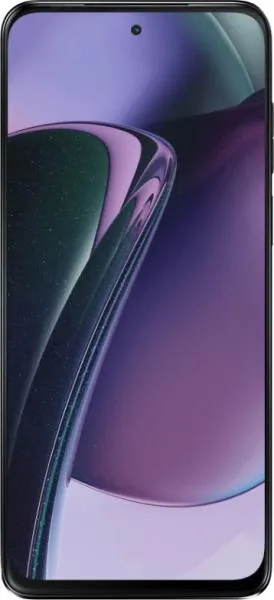
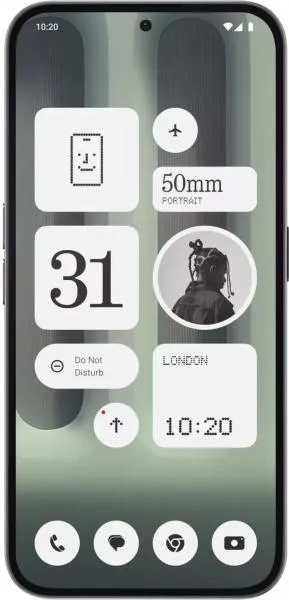
1. Specifications Comparison
| Feature | Motorola Moto G Stylus 5G (2023) | Nothing Phone (2a) Plus | Practical Impact |
|---|---|---|---|
| Design | |||
| Dimensions (mm) | 162.8 x 73.8 x 9.2 | 161.7 x 76.3 x 8.5 | The Nothing Phone (2a) Plus is slightly shorter, wider, and thinner. The Motorola is slightly heavier. Differences in hand feel will be subtle. |
| Weight (g) | 202 | 190 | The Nothing Phone (2a) Plus is slightly lighter, potentially more comfortable for extended use. |
| Build Materials | Not specified | Not specified | Cannot compare build quality and durability without more information. |
| Display | |||
| Display Type | IPS LCD, 120Hz | AMOLED, 1B colors, 120Hz, HDR10+ | AMOLED offers deeper blacks, more vibrant colors, and better power efficiency. HDR10+ on the Nothing Phone provides a superior dynamic range for compatible content. The 120Hz refresh rate ensures smooth scrolling and animations on both devices. |
| Display Size (inches) | 6.6 | 6.7 | Negligible difference in screen real estate. |
| Resolution | 1080 x 2400 | 1084 x 2412 | Virtually identical resolution, resulting in similar sharpness. |
| Peak Brightness | Not specified | 1300 nits | The Nothing Phone will be significantly more readable in direct sunlight. Missing Motorola data prevents full comparison. |
| Performance | |||
| Chipset | Snapdragon 6 Gen 1 | MediaTek Dimensity 7350 Pro | Both are mid-range chipsets. Performance differences likely to be minor in everyday tasks, but benchmarks would be needed for a definitive comparison. |
| CPU | Octa-core (4x2.2 GHz Cortex-A78 & 4x1.8 GHz Cortex-A55) | Octa-core (2x3.0 GHz Cortex-A715 & 6x 2.0 GHz Cortex-A510) | CPU configurations suggest comparable performance, but real-world usage may vary. |
| GPU | Adreno 710 | Mali-G610 MC4 | Both GPUs target mid-range gaming. Performance differences require further benchmarking. |
| RAM | 8GB (reviewed version) | 12GB (reviewed version) | More RAM on the Nothing Phone allows for better multitasking and app switching, especially beneficial for demanding users. |
| Camera | |||
| Main Camera | 50MP, f/1.88 | 50MP, f/1.88, Samsung GN9 sensor | Both have 50MP main cameras. The specific sensor in the Nothing Phone (Samsung GN9) is known for good performance. Practical image quality comparison requires real-world testing. |
| Ultrawide/Macro | 8MP, f/2.2 | 50MP, f/2.2 | The Nothing Phone has a significantly higher resolution ultrawide camera, promising more detail and versatility. |
| Selfie Camera | 16MP, f/2.5 | 50MP, f/2.2 | The Nothing Phone has a much higher resolution selfie camera. |
| Battery | |||
| Capacity | 5000 mAh | 5000 mAh | Identical battery capacity suggests similar battery life, but actual usage depends on software optimization and display technology. AMOLED's efficiency might give the Nothing Phone an edge. |
2. Key Differences Analysis
Motorola Moto G Stylus 5G (2023) Advantages:
- Stylus Support: This is a unique feature not present in the Nothing Phone, catering to users who prefer note-taking or drawing.
- Potentially Lower Price: While prices vary, the Moto G Stylus often occupies a more budget-friendly segment.
Nothing Phone (2a) Plus Advantages:
- Superior Display: The AMOLED display with HDR10+ offers a significantly better visual experience.
- More RAM: 12GB ensures smoother multitasking and better performance with demanding apps.
- Better Camera System: Higher resolution ultrawide and selfie cameras, along with a renowned main sensor, suggest superior photographic capabilities.
- More Recent OS and Longer Support: Launching with Android 14 and guaranteed updates to Android 17 provides a longer software lifespan and access to newer features.
Trade-offs:
- The Motorola sacrifices display quality and camera performance for stylus functionality and potential cost savings.
- The Nothing Phone prioritizes a premium visual experience and performance but lacks stylus support.
3. User Profiles & Recommendations
Motorola Moto G Stylus 5G (2023): Ideal for budget-conscious users, students, or anyone who values note-taking and drawing capabilities over top-tier display and camera performance.
Nothing Phone (2a) Plus: Suited for users who prioritize a premium display, strong performance, a capable camera system, and extended software support. Good for multimedia consumption, mobile gaming, and photography enthusiasts.
4. Decision Framework
Key Questions for Buyers:
- Is a stylus essential for your workflow? If yes, the Motorola is the only option.
- What is your budget? The Motorola is likely more affordable.
- Which aspects of the phone are most important to you? Prioritize display, camera, performance, and software updates accordingly.
Scenario-Based Recommendations:
- Student on a Budget: Motorola Moto G Stylus 5G
- Multimedia Enthusiast: Nothing Phone (2a) Plus
- Professional Note-Taker: Motorola Moto G Stylus 5G
- Mobile Gamer: Nothing Phone (2a) Plus
My Choice: Nothing Phone (2a) Plus
While the stylus on the Motorola is a compelling feature for certain users, the Nothing Phone (2a) Plus offers a more well-rounded package for my needs. The superior AMOLED display, significantly better camera system, larger RAM, and longer software support are crucial factors in my decision. I prioritize a premium visual experience, smooth performance, and the ability to capture high-quality photos and videos. The slightly higher price is justified by these substantial advantages. I would not utilize the stylus enough to justify the trade-offs in other areas.
