1. Specifications Comparison
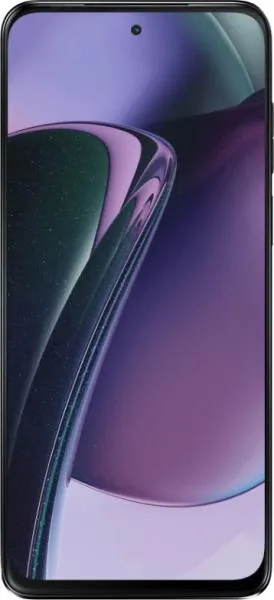
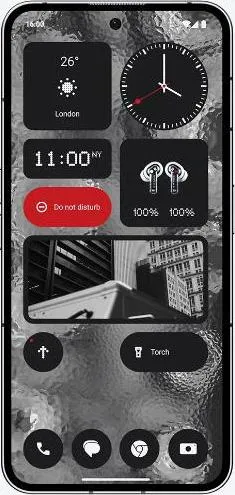
| Feature | Motorola Moto G Stylus 5G (2023) | Nothing Phone (2) | Practical Impact |
|---|---|---|---|
| Design | |||
| Dimensions (mm) | 162.8 x 73.8 x 9.2 | 162.1 x 76.4 x 8.6 | Nothing Phone (2) is slightly wider and shorter, but noticeably thinner. |
| Weight (g) | 202 | 201.2 | Negligible weight difference. |
| Build | Unspecified | Unspecified | Build quality and materials cannot be compared without further information. |
| Display | |||
| Display Type | IPS LCD, 120Hz | LTPO OLED, 120Hz | The Nothing Phone (2)'s OLED offers superior contrast, deeper blacks, and potentially better power efficiency due to LTPO. |
| Size (inches) | 6.6 | 6.7 | Slightly larger screen on the Nothing Phone (2). |
| Resolution | 1080 x 2400 | 1080 x 2412 | Virtually identical resolution; sharpness will be similar. |
| Peak Brightness | Unspecified | 1600 nits | The Nothing Phone (2)'s significantly higher peak brightness ensures better outdoor visibility. Missing Motorola data limits comparison. |
| Color Depth | Unspecified | 1B colors | Nothing Phone (2) capable of displaying a wider range of colors, leading to a more vibrant and accurate image. Missing Motorola data limits comparison. |
| HDR | No HDR specified | HDR10+ | The Nothing Phone (2) supports HDR10+ for enhanced video content with wider dynamic range. |
| Performance | |||
| Chipset | Snapdragon 6 Gen 1 | Snapdragon 8+ Gen 1 | The Nothing Phone (2) has a significantly more powerful processor, resulting in much smoother performance, especially in demanding tasks and gaming. |
| CPU | Octa-core (4x2.2 GHz Cortex-A78 & 4x1.8 GHz Cortex-A55) | Octa-core (1x3.0 GHz Cortex-X2 & 3x2.5 GHz Cortex-A710 & 4x1.80 GHz Cortex-A510) | The Nothing Phone (2) utilizes a newer, more powerful CPU architecture. |
| GPU | Adreno 710 | Adreno 730 | The Nothing Phone (2) features a more powerful GPU, resulting in significantly better gaming and graphics performance. |
| RAM | 8GB (as tested) | 8GB (as tested) | RAM is comparable in the tested versions, impacting multitasking capability similarly. However, Nothing Phone (2) offers a 12GB option for even smoother multitasking. |
| Camera | |||
| Main Camera | 50MP, f/1.88 | 50MP, f/1.88, Sony IMX890 | Similar resolution, but the Nothing Phone (2) uses a known high-quality Sony sensor, potentially resulting in better image quality. |
| Ultrawide | 8MP, f/2.2 | 50MP, f/2.2, Samsung S5KJN1 | The Nothing Phone (2) has a significantly higher resolution ultrawide camera, enabling more detailed wide-angle shots. |
| Selfie | 16MP, f/2.5 | 32MP, f/2.45, Sony IMX615 | The Nothing Phone (2) offers a higher resolution selfie camera with a known Sony sensor, likely resulting in better selfie quality. |
| Video | 4K@30fps | 4K@60fps | The Nothing Phone (2) can record smoother and more detailed videos at 60fps in 4K. |
| Battery | |||
| Capacity | 5000 mAh | 4700 mAh | The Motorola has a slightly larger battery capacity, potentially leading to longer battery life. However, real-world usage depends on factors like software optimization and display type. |
2. Key Differences Analysis
Motorola Moto G Stylus 5G (2023) Advantages:
- Stylus Support: Assumed due to the name, but not explicitly stated in specs. A stylus provides advantages for note-taking, sketching, and precise screen interaction.
- Potentially Longer Battery Life: Larger battery capacity might result in longer usage time, though real-world battery life depends on various factors.
Nothing Phone (2) Advantages:
- Significantly Superior Performance: Snapdragon 8+ Gen 1 offers a major performance advantage for demanding tasks and gaming.
- Higher Quality Display: OLED with LTPO provides better contrast, colors, and power efficiency. Higher peak brightness improves outdoor visibility.
- Better Camera System: Higher resolution ultrawide and selfie cameras, alongside the use of known high-quality sensors, suggest superior image and video quality. Faster 4K video recording capabilities.
3. User Profiles & Recommendations
Motorola Moto G Stylus 5G (2023):
- Ideal User: Budget-conscious users who prioritize stylus functionality for note-taking or drawing, and value battery life. Less demanding users who prioritize basic functionality.
- Use Cases: Students, artists, casual users focused on communication and web browsing.
Nothing Phone (2):
- Ideal User: Users who demand high performance for gaming, multitasking, and demanding applications. Users who appreciate a premium display and camera system.
- Use Cases: Mobile gamers, power users, content creators, photography enthusiasts.
4. Decision Framework
Key Questions for Buyers:
- What is your budget? The Nothing Phone (2) is positioned in a higher price bracket.
- What are your primary use cases? Stylus use, battery life, performance needs, and camera quality are key differentiators.
- How important is display quality? The OLED screen on the Nothing Phone (2) provides a significant visual upgrade.
Scenario-Based Recommendations:
- Limited Budget, Stylus User: Motorola Moto G Stylus 5G (2023)
- Performance Focused, Premium Experience: Nothing Phone (2)
My Choice: Nothing Phone (2)
While the Motorola Moto G Stylus 5G (2023) might offer a longer battery life and stylus support (assumed), the Nothing Phone (2)'s significant advantages in performance, display, and camera make it the superior choice for me. I prioritize a smooth and responsive user experience, a vibrant display, and a capable camera system. The Snapdragon 8+ Gen 1 ensures future-proofing for demanding applications and games. The OLED display is a major upgrade over the LCD in terms of visual quality. While battery life is important, the performance and feature upgrades of the Nothing Phone (2) outweigh the potential difference in battery capacity. The lack of explicit stylus support could be a drawback for some, but it's not a primary need for me. Ultimately, the Nothing Phone (2) offers a more well-rounded and premium experience.
