1. Specifications Comparison
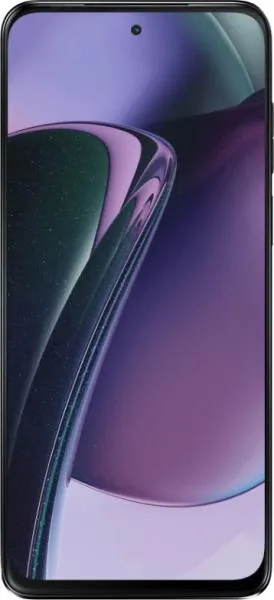
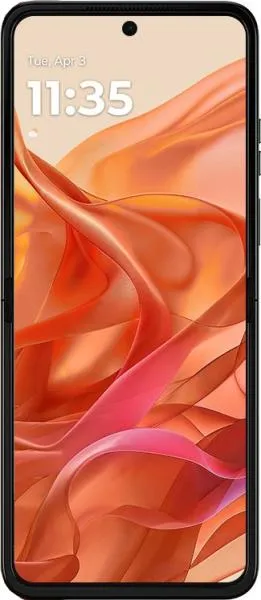
| Feature | Motorola Moto G Stylus 5G (2023) | Motorola Razr 50 | Practical Impact |
|---|---|---|---|
| Design | |||
| Dimensions (mm) | 162.8 x 73.8 x 9.2 | 171.3 x 74 x 7.3 | Razr 50 is significantly thinner when unfolded, but taller and wider when folded. Stylus is larger overall. |
| Weight (g) | 202 | 188.4 | Razr 50 is lighter despite larger main display, likely due to thinner build. |
| Foldable | No | Yes | Razr 50 offers compact portability when folded, unique form factor. Stylus offers a traditional smartphone experience with integrated stylus for note-taking and drawing. |
| Display | |||
| Size (inches) | 6.6 | 6.9 | Razr 50 has a larger main display for more immersive content consumption. |
| Resolution (px) | 1080 x 2400 | 1080 x 2640 | Similar pixel density, but Razr 50's taller aspect ratio offers more vertical screen real estate. |
| Type | IPS LCD, 120Hz | Foldable LTPO AMOLED, 120Hz | Razr 50 boasts superior contrast, vibrant colors, and power efficiency with AMOLED and LTPO. |
| Brightness (nits) | Not specified | 3000 (peak) | Razr 50's much higher peak brightness ensures excellent outdoor visibility. Missing Stylus peak brightness limits comparison. |
| Performance | |||
| Chipset | Snapdragon 6 Gen 1 | Dimensity 7300X | Both mid-range chipsets, but Dimensity 7300X likely offers better performance based on benchmarks (though specific benchmarks are not provided). |
| CPU | Octa-core (4x2.2 GHz Cortex-A78 & 4x1.8 GHz Cortex-A55) | Octa-core (4x2.5 GHz Cortex-A78 & 4x2.0 GHz Cortex-A55) | Razr 50's slightly faster CPU clock speeds should translate to smoother multitasking and app loading. |
| GPU | Adreno 710 | Mali-G615 MC2 | Performance difference between GPUs requires further benchmarking analysis, as raw specs don't tell the full story. |
| RAM | 8GB (in reviewed version) | 12GB (in reviewed version) | Razr 50's larger RAM capacity enables better multitasking and reduces app closures in the background. |
| Camera | |||
| Main Camera (MP) | 50 | 50 | Megapixel count is identical, image quality will depend on sensor size, processing, and aperture. |
| Ultrawide (MP) | 8 | 13 | Razr 50 offers a higher resolution ultrawide camera, capturing more detail in wider shots. |
| Selfie (MP) | 16 | 32 | Razr 50 has a significantly higher resolution selfie camera. |
| Battery | |||
| Capacity (mAh) | 5000 | 4200 | Stylus has a much larger battery capacity, likely resulting in significantly longer battery life. |
2. Key Differences Analysis
Motorola Moto G Stylus 5G (2023) Advantages:
- Significantly longer battery life: The 5000mAh battery should provide significantly more usage time compared to the Razr 50's 4200mAh.
- Integrated Stylus: Offers unique note-taking and drawing capabilities.
- Potentially Lower Price: Typically found at a lower price point than the Razr 50.
Motorola Razr 50 Advantages:
- Foldable Design: Offers compact portability and a unique form factor.
- Superior Display: AMOLED technology with higher brightness and richer colors provides a much better viewing experience.
- Faster Performance: The Dimensity 7300X and higher RAM capacity offer smoother performance for demanding tasks and multitasking.
- Better Cameras: Notably better ultrawide and selfie cameras.
3. User Profiles & Recommendations
Moto G Stylus 5G (2023): Ideal for budget-conscious users who prioritize battery life and need a stylus for note-taking or drawing. Students, artists, and those who prefer a traditional smartphone experience would benefit.
Motorola Razr 50: Suitable for users who value portability and style above all else. The foldable design and vibrant display are appealing for those who want a unique, compact device. Content consumption, social media, and light gaming would be enjoyable on this device.
4. Decision Framework
Key Questions:
- What is your budget? The Stylus is generally more affordable.
- How important is portability? The Razr 50's foldable design offers a unique advantage.
- Do you prioritize battery life or screen quality? The Stylus offers longer battery life, while the Razr 50 has a superior display.
My Choice: Motorola Razr 50
While the Motorola Moto G Stylus 5G (2023) offers practical features like the stylus and exceptional battery life, the Motorola Razr 50's innovative foldable design, superior display quality, and faster performance make it the more compelling device for me. I prioritize portability and a premium viewing experience, and the Razr 50 delivers on both fronts. The trade-off in battery life is acceptable considering the unique benefits of the foldable form factor. While the higher price is a factor, the overall user experience offered by the Razr 50 justifies the investment for my personal needs. The larger RAM capacity also ensures smoother long-term performance as apps become more demanding.
