1. Specifications Comparison
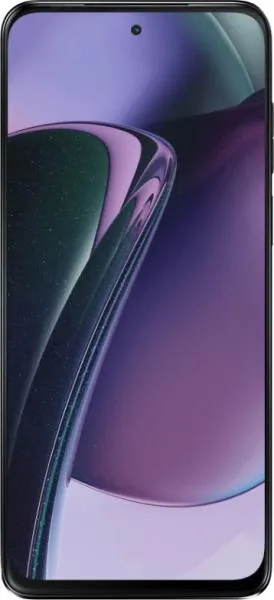
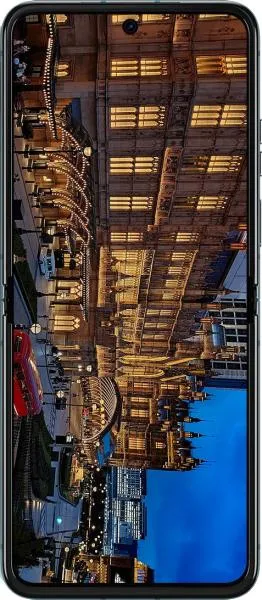
| Feature | Motorola Moto G Stylus 5G (2023) | Motorola Razr 40 | Practical Impact |
|---|---|---|---|
| Design | |||
| Dimensions (mm) | 162.8 x 73.8 x 9.2 | 170.8 x 74 x 7.4 | Razr 40 is more compact when folded, significantly pocketable. Moto G is larger, more traditional. |
| Weight (g) | 202 | 188.6 | Razr 40 is lighter despite the folding mechanism. |
| Foldable | No | Yes | Razr 40 offers a compact form factor when folded, and a larger screen when unfolded. |
| Stylus | Yes | No | Moto G Stylus offers precise input for note-taking and drawing. |
| Display | |||
| Display Type | IPS LCD, 120Hz | Foldable LTPO AMOLED, 144Hz | Razr 40 boasts superior contrast, deeper blacks, and smoother scrolling with higher refresh rate and AMOLED technology. Moto G's LCD is adequate but less vibrant. |
| Size (inches) | 6.6 | 6.9 | Razr 40 offers a larger main screen. |
| Resolution | 1080 x 2400 | 1080 x 2640 | Similar sharpness, but Razr 40 is slightly taller due to aspect ratio. |
| Refresh Rate (Hz) | 120 | 144 | Razr 40 offers smoother animations and scrolling. |
| Peak Brightness (nits) | Not specified | 1400 | Razr 40 likely offers better outdoor visibility, but we can't confirm without Moto G's peak brightness spec. |
| Performance | |||
| Chipset | Snapdragon 6 Gen 1 | Snapdragon 7 Gen 1 | Razr 40 offers notably better performance in demanding tasks and gaming due to a more powerful chipset. |
| CPU | Octa-core (4x2.2 GHz Cortex-A78 & 4x1.8 GHz Cortex-A55) | Octa-core (1x2.4 GHz Cortex-A710 & 3x2.36 GHz Cortex-A710 & 4x1.8 GHz Cortex-A510) | Razr 40's CPU architecture is more efficient and powerful. |
| GPU | Adreno 710 | Adreno 644 | While newer, the Adreno 710 in the Moto G might not outperform the Adreno 644 in the Razr 40. Further benchmarking data is needed. |
| RAM | 8GB (as reviewed) | 8GB (as reviewed) | Both phones offer ample RAM for multitasking. |
| Camera | |||
| Main Camera | 50MP | 64MP | Razr 40 has a higher resolution main sensor, potentially capturing more detail. Real-world image quality depends on processing. |
| Selfie Camera | 16MP | 32MP | Razr 40 has a significantly higher resolution selfie camera. |
| Video Recording | 4K@30fps | 4K@30fps | Both can record 4K video, but quality and features may differ. Razr 40 features Electronic Image Stabilization (EIS). |
| Battery | |||
| Capacity (mAh) | 5000 | 4200 | Moto G Stylus offers significantly longer battery life. Razr 40's smaller battery is a trade-off for the foldable design. |
2. Key Differences Analysis
Motorola Moto G Stylus 5G (2023) Advantages:
- Significantly longer battery life: The 5000mAh battery will easily last a full day of heavy use.
- Integrated Stylus: Provides a unique input method for note-taking, sketching, and precise interactions.
- Lower Price: Generally more affordable than the Razr 40.
Motorola Razr 40 Advantages:
- Foldable Design: Offers a compact form factor for portability and a larger screen when unfolded.
- Superior Display: The LTPO AMOLED panel provides vibrant colors, deeper blacks, and smoother scrolling.
- More Powerful Performance: The Snapdragon 7 Gen 1 chipset offers better performance for demanding tasks and gaming.
- Higher Resolution Cameras: Potentially better image quality, especially for selfies.
Trade-offs:
- Razr 40: Shorter battery life due to the foldable design and power-hungry display. Higher price.
- Moto G Stylus: Less powerful, less vibrant display. Larger and heavier.
3. User Profiles & Recommendations
Moto G Stylus 5G (2023): Ideal for users who prioritize battery life, value the stylus for note-taking or drawing, and are on a budget. Students, artists, and anyone who needs a reliable, long-lasting phone would benefit.
Motorola Razr 40: Ideal for users who prioritize portability and a premium, compact design. The foldable form factor and excellent display are appealing for those who value aesthetics and cutting-edge technology. Users who consume media or play games on the go would also appreciate the larger screen and better performance.
4. Decision Framework
Key Questions for Buyers:
- How important is portability? If ultimate pocketability is paramount, the Razr 40's foldable design is a clear winner.
- What is your budget? The Moto G Stylus offers excellent value for its price, while the Razr 40 commands a premium.
- What are your primary use cases? Note-takers and artists will appreciate the Stylus, while multimedia consumers and gamers will prefer the Razr 40's larger, more vibrant display and powerful performance. Battery life is a crucial consideration for heavy users.
My Choice: Motorola Razr 40
While the Moto G Stylus offers impressive battery life and a unique stylus experience, I would choose the Motorola Razr 40. The foldable design is incredibly appealing for its portability and the novelty of the form factor. I value the superior display quality and the performance boost offered by the Snapdragon 7 Gen 1. I'm willing to accept the trade-off of slightly shorter battery life for the compact size and premium features. The Razr 40 better fits my personal preference for cutting-edge technology and a pocketable device with a large, vibrant screen. While the price is higher, the unique design and performance benefits justify the cost for me.
