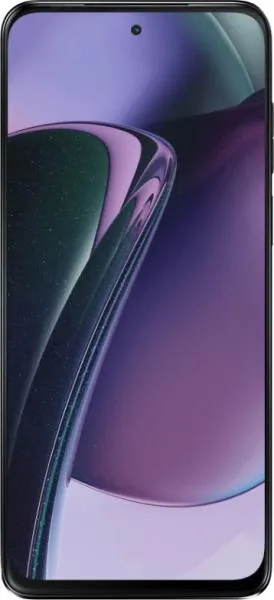
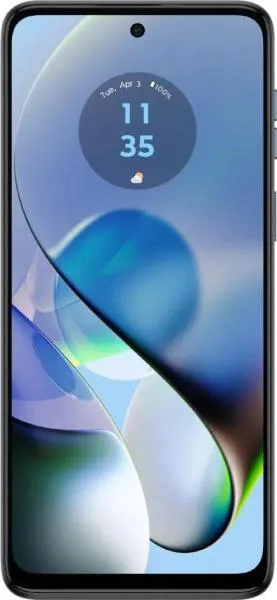
1. Specifications Comparison
| Feature | Motorola Moto G Stylus 5G (2023) | Motorola Moto G54 | Practical Impact |
|---|---|---|---|
| Design | |||
| Dimensions (mm) | 162.8 x 73.8 x 9.2 | 161.6 x 73.8 x 8.0 | G54 is slightly shorter and noticeably thinner. Impacts pocketability and in-hand feel. |
| Weight (g) | 202 | 177 | G54 is significantly lighter, reducing hand fatigue during extended use. |
| Stylus | Yes | No | Stylus offers precise input for note-taking, drawing, and specific tasks. A significant differentiator if these features are important. |
| Display | |||
| Size (inches) | 6.6 | 6.5 | Negligible difference in screen real estate. |
| Resolution (pixels) | 1080 x 2400 | 1080 x 2400 | Identical resolution, resulting in similar sharpness on both devices. |
| Refresh Rate (Hz) | 120 | 120 | Both offer smooth scrolling and animations thanks to the 120Hz refresh rate. |
| Display Type | IPS LCD | IPS LCD | Both use IPS LCD technology. Expect similar color accuracy and viewing angles. Missing data on color depth and HDR capabilities limits a thorough comparison. |
| Performance | |||
| Chipset | Snapdragon 6 Gen 1 (4nm) | Dimensity 7020 (6nm) | Both are mid-range chipsets. Snapdragon 6 Gen 1 generally offers better GPU performance, beneficial for gaming. Dimensity 7020 may have slight efficiency advantages due to the smaller process node. |
| CPU | Octa-core (4x2.2 GHz Cortex-A78 & 4x1.8 GHz Cortex-A55) | Octa-core (2x2.2 GHz Cortex-A78 & 6x2.0 GHz Cortex-A55) | Slight difference in core configuration. Real-world performance differences likely minimal for everyday tasks. |
| GPU | Adreno 710 | IMG BXM-8-256 | Adreno 710 generally considered more powerful, resulting in smoother gaming and graphics-intensive tasks. |
| RAM (GB) | 8 | 8 (up to 12GB available in some versions) | Base RAM is the same. Higher RAM options on G54 could benefit multitasking and demanding applications. |
| Camera | |||
| Main Camera (MP) | 50 | 50 | Megapixel count is the same, but sensor details (e.g., sensor size, pixel size) are missing for the G54, limiting a detailed comparison. |
| Video Recording | 4K@30fps | 1080p@60fps | Stylus can record 4K video, offering higher resolution. G54 is limited to 1080p but can record at a smoother 60fps. |
| Battery | |||
| Capacity (mAh) | 5000 | 5000 | Identical battery capacity suggests similar battery life, although real-world usage may vary depending on software optimization and usage patterns. |
2. Key Differences Analysis
Motorola Moto G Stylus 5G (2023) Advantages:
- Integrated Stylus: The key differentiator. Enables precise note-taking, sketching, and other stylus-driven interactions.
- 4K Video Recording: Captures higher resolution video compared to the G54's 1080p.
- Potentially Better Gaming Performance: Adreno 710 GPU generally outperforms the IMG BXM-8-256.
Motorola Moto G54 Advantages:
- Lighter and Slimmer Design: More comfortable for one-handed use and pocket portability.
- Dual SIM and eSIM Support: Offers greater flexibility for managing multiple phone numbers and data plans.
- Bluetooth 5.3: Slightly newer Bluetooth version with potential for improved connectivity and efficiency. Potentially faster data transfer for supported accessories.
- More Color Options: Provides greater aesthetic choices.
3. User Profiles & Recommendations
Moto G Stylus 5G (2023): Ideal for students, artists, or anyone who values note-taking, sketching, or precise on-screen interaction. Also a good choice for those who prioritize 4K video recording.
Moto G54: Suitable for users who prioritize a lightweight and slim design, need dual SIM functionality, or value a slightly more affordable price point.
4. Decision Framework
Key Questions for Buyers:
- Is a stylus important to you? This is the most significant differentiating factor.
- Do you prioritize video recording quality or a lighter, slimmer phone?
- What is your budget? While both are mid-range, price differences might exist depending on storage configuration.
My Choice: Motorola Moto G54
While the stylus is a compelling feature, I prioritize a lightweight and slim phone for daily use. The Moto G54's lighter weight, slimmer profile, and Dual SIM capabilities are more appealing to my personal needs. I rarely record 4K video, and the performance differences between the two chipsets are unlikely to significantly impact my typical usage. The potential price advantage of the G54 further reinforces my decision. This is a subjective choice based on my usage patterns and preferences. Someone who heavily relies on a stylus would likely prefer the Moto G Stylus.
