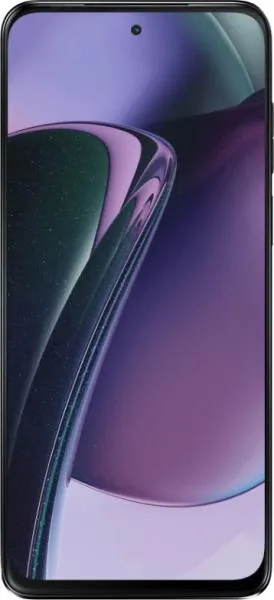
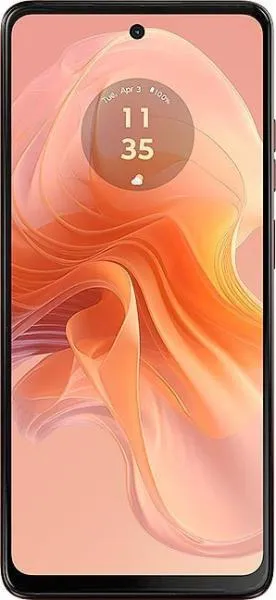
1. Specifications Comparison
| Feature | Motorola Moto G Stylus 5G (2023) | Motorola Moto G04s | Practical Impact |
|---|---|---|---|
| Design | |||
| Dimensions (mm) | 162.8 x 73.8 x 9.2 | 163.5 x 74.5 x 8 | Moto G04s is slightly thinner and lighter. Negligible difference in everyday use. |
| Weight (g) | 202 | 178.8 | Moto G04s is noticeably lighter, improving one-handed use and reducing pocket bulk. |
| Stylus | Yes | No | Stylus offers precise note-taking and drawing capabilities, absent in G04s. Significant advantage for specific users. |
| Display | |||
| Size (inches) | 6.6 | 6.56 | Negligible size difference. |
| Resolution | 1080 x 2400 | 720 x 1612 | Significantly sharper and clearer visuals on the Stylus 5G, especially noticeable in text and images. |
| Refresh Rate (Hz) | 120 | 90 | Smoother animations and scrolling on the Stylus 5G, though 90Hz is still good. Difference may be subtle for average users. |
| Display Type | IPS LCD | IPS LCD | Both offer decent color accuracy and viewing angles, but Stylus 5G's higher resolution is a significant advantage. |
| Performance | |||
| Chipset | Snapdragon 6 Gen 1 (4nm) | Unisoc T606 (12nm) | Stylus 5G boasts significantly better CPU and GPU performance, resulting in faster app loading, smoother multitasking, and better gaming capabilities. |
| CPU | Octa-core (4x2.2 GHz & 4x1.8 GHz) | Octa-core (2x1.6 GHz & 6x1.6 GHz) | Stylus 5G's higher clock speeds and more powerful cores provide a noticeable performance advantage. |
| RAM | 8GB | 4GB | More RAM in the Stylus 5G allows for more apps to run in the background without impacting performance. Crucial for multitasking. |
| Camera | |||
| Main Camera | 50MP | 50MP | Similar megapixel count, but sensor quality information is missing for accurate comparison. Aperture values suggest better low-light performance on the G04s (f/1.8 vs f/1.88). |
| Ultrawide | 8MP | No ultrawide lens | Stylus 5G offers greater versatility with an ultrawide lens for landscape and group photos. A clear advantage. |
| Selfie Camera | 16MP | 5MP | Higher resolution selfie camera on Stylus 5G generally means better quality selfies. |
| Video Recording | 4K@30fps | 1080p@30fps | Stylus 5G can record higher resolution video. Important for users who value video quality. |
| Battery | |||
| Capacity (mAh) | 5000 | 5000 | Similar battery capacity suggests comparable battery life, but real-world usage can vary based on other factors. |
2. Key Differences Analysis
Motorola Moto G Stylus 5G (2023) Advantages:
- Superior Performance: Significantly faster processor, more RAM, and better GPU.
- Sharper Display: Higher resolution and refresh rate provide a more enjoyable viewing experience.
- Versatile Camera System: Inclusion of an ultrawide lens.
- Stylus Functionality: Unique feature for note-taking and drawing.
- 5G Connectivity: Faster download and upload speeds in areas with 5G coverage.
Motorola Moto G04s Advantages:
- Lower Price: Typically more affordable.
- Lighter Weight: Easier to hold and carry.
- Potentially Better Low Light Camera Performance: Due to a wider main camera aperture (f/1.8).
- Dual SIM: Supports two SIM cards simultaneously, beneficial for travelers or those with separate work/personal numbers.
3. User Profiles & Recommendations
Moto G Stylus 5G (2023): Users who prioritize performance, a high-quality display, versatile camera, and stylus functionality. Ideal for students, artists, multitaskers, and mobile gamers.
Moto G04s: Budget-conscious users who prioritize affordability and basic functionality. Suitable for light users focusing on calling, texting, social media, and web browsing. Beneficial for dual SIM users.
4. Decision Framework
Key Questions for Buyers:
- What is your budget? The G04s is significantly cheaper.
- What are your performance needs? The Stylus 5G offers a much smoother and more responsive experience.
- Do you need a stylus? This is a unique feature of the Stylus 5G.
My Choice: Motorola Moto G Stylus 5G (2023)
While the Moto G04s offers excellent value for its price, the Moto G Stylus 5G (2023) is the better overall phone due to its significantly superior performance, higher quality display, more versatile camera system, and the unique stylus functionality. The performance difference alone would greatly impact daily usage, making the Stylus 5G a more future-proof and enjoyable device to use in the long run. The added benefit of 5G connectivity further solidifies its advantage. While the G04s' lower price and lighter weight are attractive, the compromises in performance and features are too significant for my needs.
