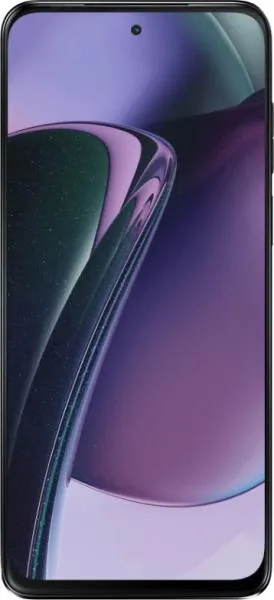
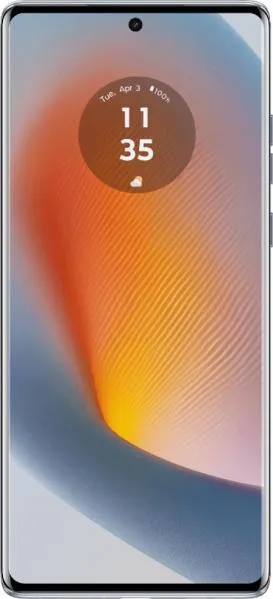
1. Specifications Comparison
| Feature | Motorola Moto G Stylus 5G (2023) | Motorola Edge 50 Fusion | Practical Impact |
|---|---|---|---|
| Design | |||
| Dimensions (mm) | 162.8 x 73.8 x 9.2 | 161.9 x 73.1 x 7.9 | Edge 50 Fusion is slightly smaller and thinner. |
| Weight (g) | 202 | 174.9 | Edge 50 Fusion is noticeably lighter, improving one-handed use. |
| Build Materials | Not specified | Not specified | Cannot compare build quality and durability. |
| Display | |||
| Display Type | IPS LCD, 120Hz | P-OLED, 120/144Hz | Edge 50 Fusion's OLED offers deeper blacks, richer colors, and potentially higher peak brightness (1600 nits vs. unspecified). Higher refresh rate options (up to 144Hz) provide smoother scrolling and animations. |
| Size (inches) | 6.6 | 6.7 | Negligible difference in screen real estate. |
| Resolution | 1080 x 2400 | 1080 x 2400 | Identical resolution; sharpness will be similar. |
| Performance | |||
| Chipset | Snapdragon 6 Gen 1 | Snapdragon 7s Gen 2 | Edge 50 Fusion has a slightly more powerful processor, resulting in better performance for demanding tasks and gaming. |
| CPU | Octa-core (4x2.2 GHz Cortex-A78 & 4x1.8 GHz Cortex-A55) | Octa-core (4x2.4 GHz Cortex-A78 & 4x1.95 GHz Cortex-A55) | Edge 50 Fusion's slightly higher clock speeds provide a performance edge. |
| GPU | Adreno 710 | Adreno 710 | Same GPU, but potential performance differences due to chipset optimizations in the Edge 50 Fusion. |
| RAM | 8GB (as reviewed) | 8GB (as reviewed) | Similar RAM capacity should provide comparable multitasking performance. |
| Camera | |||
| Main Camera | 50MP, f/1.88 | 50MP, f/1.8 | Comparable main camera resolution; slight aperture difference might impact low-light performance. Need more details (sensor size, pixel size) for a thorough comparison. |
| Ultrawide | 8MP, f/2.2 | 13MP, f/2.2 | Edge 50 Fusion offers a higher resolution ultrawide camera, capturing more detail. |
| Selfie Camera | 16MP, f/2.5 | 32MP, f/2.45 | Edge 50 Fusion boasts a significantly higher resolution selfie camera. |
| Battery | |||
| Capacity | 5000 mAh | 5000 mAh | Identical battery capacity; real-world battery life will depend on software optimization and usage patterns. |
2. Key Differences Analysis
Motorola Edge 50 Fusion Advantages:
- Superior Display: The OLED display provides better contrast, colors, and potentially brighter output. Higher refresh rate options (up to 144Hz in some regions) lead to a smoother user experience.
- Improved Performance: The Snapdragon 7s Gen 2 offers a performance boost over the Snapdragon 6 Gen 1, benefiting demanding tasks and gaming.
- Enhanced Camera System: Higher resolution ultrawide and selfie cameras offer more detail.
- Lighter and Slimmer Design: Noticeably lighter and slightly thinner, making it more comfortable for one-handed use.
- More Recent OS with Longer Support: Launches with Android 14 and guaranteed updates to Android 17.
Motorola Moto G Stylus 5G (2023) Advantages:
- Stylus Support: Offers a built-in stylus for note-taking, sketching, and precise interactions - a major differentiator if this feature is important.
- Potentially Lower Price: Depending on specific configurations and market conditions, the Moto G Stylus might be more affordable.
Trade-offs: The Moto G Stylus prioritizes stylus functionality and affordability over display quality and raw performance. The Edge 50 Fusion prioritizes a premium multimedia experience.
3. User Profiles & Recommendations
Moto G Stylus 5G (2023): Ideal for budget-conscious users, students, or anyone who values note-taking and sketching capabilities.
Motorola Edge 50 Fusion: Suitable for users who prioritize a premium multimedia experience, including gaming, video streaming, and photography, without needing a stylus.
4. Decision Framework
Key Questions for Buyers:
- Is a stylus essential? This is the primary differentiator.
- What is your budget? The Moto G Stylus likely offers better value for budget-conscious buyers.
- Which aspects of the phone are most important to you? (e.g., display quality, performance, camera, battery life).
My Choice: Motorola Edge 50 Fusion
While the stylus in the Moto G Stylus is a unique feature, the Edge 50 Fusion's superior display, better performance, enhanced cameras, lighter design, and longer software support make it the more compelling overall package for my needs. I prioritize a smooth and visually engaging user experience, and the Edge 50 Fusion delivers that with its OLED display and more powerful processor. The improved camera system, especially the ultrawide and selfie cameras, is also a significant advantage. While I acknowledge the potential price difference, the overall user experience offered by the Edge 50 Fusion makes it the better choice for me.
