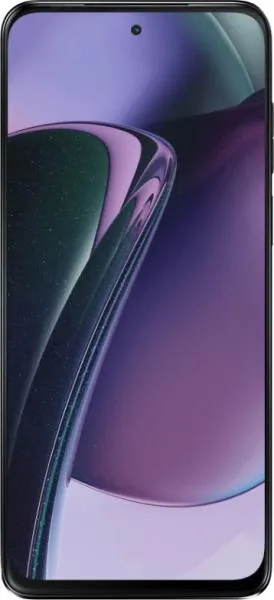
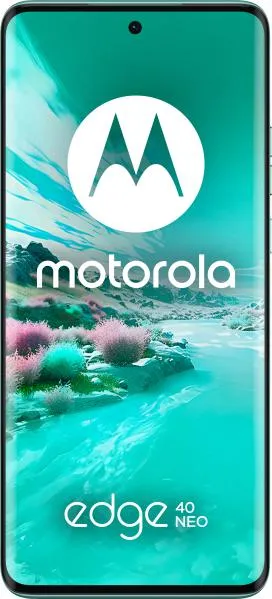
1. Specifications Comparison
| Feature | Motorola Moto G Stylus 5G (2023) | Motorola Edge 40 Neo | Practical Impact |
|---|---|---|---|
| Design | |||
| Dimensions (mm) | 162.8 x 73.8 x 9.2 | 159.6 x 72 x 7.9 | Edge 40 Neo is noticeably more compact and thinner, improving one-handed usability. |
| Weight (g) | 202 | 170 | Edge 40 Neo is significantly lighter, reducing hand fatigue during extended use. |
| Build Material | (Missing) | (Missing) | Cannot compare build quality and durability without this information. |
| Stylus | Yes | No | Stylus offers precise note-taking and drawing capabilities on the Moto G Stylus. |
| Display | |||
| Display Type | IPS LCD | P-OLED | P-OLED on Edge 40 Neo offers deeper blacks, higher contrast, and potentially better power efficiency. |
| Display Size (inches) | 6.6 | 6.55 | Negligible size difference. |
| Resolution | 1080 x 2400 | 1080 x 2400 | Identical resolution, similar sharpness. |
| Refresh Rate (Hz) | 120 | 144 | Higher refresh rate on Edge 40 Neo results in smoother animations and scrolling. |
| Peak Brightness (nits) | (Missing) | 1300 | Cannot compare brightness without Moto G Stylus's peak brightness. Higher nit value suggests better outdoor visibility on the Edge 40 Neo. |
| HDR | No HDR10/10+ | HDR10+ | Edge 40 Neo supports HDR10+ for improved dynamic range and color accuracy in compatible content. |
| Performance | |||
| Chipset | Snapdragon 6 Gen 1 (4nm) | Dimensity 7030 (6nm) | Both are mid-range chipsets. Performance differences might be subtle in everyday tasks, but benchmarks would be needed for a definitive comparison. Dimensity's 6nm process might be slightly less power-efficient. |
| CPU | Octa-core (4x2.2 GHz A78 & 4x1.8 GHz A55) | Octa-core (2x2.5 GHz A78 & 6x2.0 GHz A55) | Edge 40 Neo has a slightly higher clock speed on its performance cores, potentially offering a slight edge in demanding tasks. |
| RAM | 8GB | 12GB | More RAM on Edge 40 Neo enables better multitasking and app switching. |
| GPU | Adreno 710 | Mali-G610 MC3 | Performance differences would require benchmark comparisons. |
| Camera | |||
| Main Camera | 50MP, f/1.88 | 50MP, f/1.8 | Similar main camera specifications; real-world image quality comparison needed. |
| Ultrawide | 8MP, f/2.2 | 13MP, f/2.2 | Edge 40 Neo's ultrawide offers higher resolution for capturing wider scenes with more detail. |
| Selfie Camera | 16MP, f/2.5 | 32MP, f/2.4 | Edge 40 Neo boasts a significantly higher resolution selfie camera. |
| Video Recording | 4K@30fps | 4K@30fps with EIS | Both offer 4K recording, but Edge 40 Neo includes Electronic Image Stabilization (EIS) for smoother videos. |
| Battery | |||
| Capacity (mAh) | 5000 | 5000 | Identical battery capacity. Actual battery life depends on usage and optimization. |
| Charging Speed | (Missing) | (Missing) | Cannot compare charging speeds. |
2. Key Differences Analysis
Moto G Stylus 5G (2023) Advantages:
- Integrated Stylus: Unique feature for note-taking, sketching, and precise interactions.
Motorola Edge 40 Neo Advantages:
- More Compact and Lighter: Enhanced portability and one-handed use.
- Superior Display: P-OLED with higher refresh rate and HDR10+ support for a more vibrant and smoother visual experience.
- More RAM: Improved multitasking and smoother performance.
- Better Ultrawide and Selfie Cameras: Higher resolution sensors for capturing more detail.
- Video Stabilization: EIS for smoother video recording.
3. User Profiles & Recommendations
Moto G Stylus 5G (2023): Ideal for students, artists, or anyone who values note-taking or drawing capabilities.
Motorola Edge 40 Neo: Suits users who prioritize a sleek design, vibrant display, smooth performance, and a good overall camera experience.
4. Decision Framework
Key Questions for Buyers:
- Is a stylus essential for your workflow?
- Do you prioritize display quality and smoothness?
- What is your budget and how important is the price-to-performance ratio?
Scenario-Based Recommendations:
- Limited Budget, Note-Taker: Moto G Stylus 5G (2023)
- Multimedia Enthusiast, Moderate Budget: Motorola Edge 40 Neo
My Choice: Motorola Edge 40 Neo
While the stylus on the Moto G Stylus 5G is a unique feature, the Edge 40 Neo offers a more compelling overall package for my needs. The superior display with a higher refresh rate and HDR10+ is a significant advantage. The lighter and more compact design, along with the improved cameras (especially the ultrawide and selfie), further solidify my choice. The extra RAM in the Edge 40 Neo would also contribute to smoother performance in the long run. While specific charging speeds and build materials are missing, the available information points towards the Edge 40 Neo as the better overall device for a broader range of users. If the price difference is minimal, the Edge 40 Neo provides more value for its feature set.
