1. Specifications Comparison
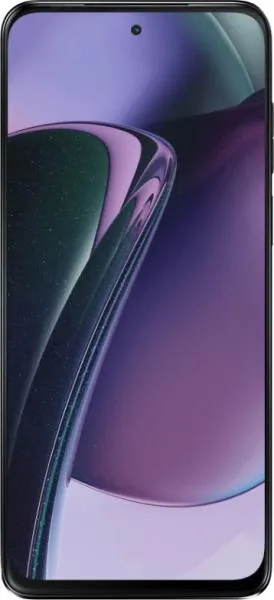
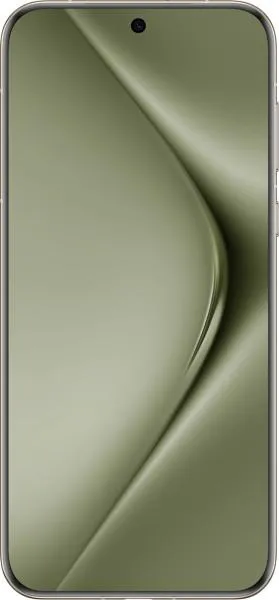
| Feature | Motorola Moto G Stylus 5G (2023) | Huawei Pura 70 Ultra | Practical Impact |
|---|---|---|---|
| Design | |||
| Dimensions (mm) | 162.8 x 73.8 x 9.2 | 162.6 x 75.1 x 8.4 | Huawei is slightly thinner and wider but potentially heavier. Negligible difference in hand feel. |
| Weight (g) | 202 | 226 | Huawei is noticeably heavier, potentially impacting one-handed use. |
| Display | |||
| Size (inches) | 6.6 | 6.8 | Huawei offers a slightly larger screen for more immersive media consumption. |
| Resolution | 1080 x 2400 | 1260 x 2844 | Huawei has a significantly sharper display (460ppi vs 399ppi), resulting in crisper text and images. |
| Type | IPS LCD, 120Hz | LTPO OLED, 120Hz | Huawei's OLED offers deeper blacks, richer colors, and potentially better power efficiency due to LTPO. |
| Peak Brightness (nits) | Not specified | 2500 | Huawei's much higher peak brightness ensures excellent outdoor visibility. Missing spec for Motorola limits comparison. |
| Performance | |||
| Chipset | Snapdragon 6 Gen 1 (4nm) | Kirin 9010 (7nm) | Kirin 9010 is likely a more powerful chipset, though real-world performance depends on optimization. Manufacturing process difference (7nm vs 4nm) suggests Motorola might be more power efficient. |
| CPU | Octa-core (4x2.2 GHz Cortex-A78 & 4x1.8 GHz Cortex-A55) | Octa-core (1x2.3 GHz Taishan Big & 3x2.18 GHz Taishan Mid & 4x1.55 GHz Cortex-A510) | Difficult to compare CPU performance directly due to different architectures. Benchmark scores would be needed. |
| GPU | Adreno 710 | Maleoon 910 | Maleoon 910 likely offers superior graphics performance, beneficial for gaming and demanding applications. |
| RAM | 8GB (up to) | 16GB | Huawei offers double the RAM, enabling smoother multitasking and better handling of demanding apps. |
| Camera | |||
| Main Camera | 50MP, f/1.88 | 50MP, f/1.6, Sony IMX989 | Huawei's main camera likely performs better in low light due to the wider aperture (f/1.6) and larger sensor (Sony IMX989). |
| Ultrawide | 8MP, f/2.2 | 40MP, f/2.2 | Huawei offers a significantly higher resolution ultrawide camera. |
| Telephoto | N/A | 50MP, f/2.1, 3.5x optical zoom | Huawei offers a dedicated telephoto lens for optical zoom, missing on the Motorola. |
| Battery | |||
| Capacity (mAh) | 5000 | 5200 | Huawei has a slightly larger battery capacity, potentially offering longer battery life. Real-world usage will vary. |
2. Key Differences Analysis
Motorola Moto G Stylus 5G (2023) Advantages:
- Price: Significantly more affordable (medium vs high price range).
- Stylus: Offers a built-in stylus for note-taking and drawing (not explicitly in specs but implied by name).
- Potentially better power efficiency: 4nm chipset might consume less power than Huawei's 7nm Kirin.
Huawei Pura 70 Ultra Advantages:
- Superior Display: Larger, sharper OLED with higher resolution, better colors, and brighter peak brightness.
- More Powerful Performance: Likely faster CPU and significantly better GPU. More RAM for smoother multitasking.
- Advanced Camera System: Higher resolution ultrawide and dedicated telephoto lens for optical zoom. Larger main sensor and wider aperture for better low-light performance.
- Larger Battery: Slightly larger battery capacity.
- Dual SIM: Supports two SIM cards simultaneously.
3. User Profiles & Recommendations
Motorola Moto G Stylus 5G (2023):
- Budget-conscious users: Prioritizes affordability.
- Note-takers and artists: Values the stylus functionality.
- Casual users: Primarily uses phone for basic tasks like calling, texting, and social media.
Huawei Pura 70 Ultra:
- Power users: Demands high performance for gaming, multitasking, and demanding applications.
- Photography enthusiasts: Prioritizes a versatile and high-quality camera system.
- Media consumers: Values a large and vibrant display for watching videos and playing games.
4. Decision Framework
Key Questions for Buyers:
- What is your budget? The Motorola is significantly more affordable.
- What are your primary phone usage patterns? Consider whether you need a stylus, high performance, or advanced camera capabilities.
- How important is display quality? The Huawei offers a significant upgrade in display technology and resolution.
My Choice: Huawei Pura 70 Ultra
While significantly more expensive, the Huawei Pura 70 Ultra offers a compelling package for my needs. The superior display, powerful performance, and advanced camera system are major selling points. As someone who values a smooth user experience, vibrant visuals, and the ability to capture high-quality photos, the Huawei is a clear winner. The slightly larger battery and Dual SIM support are added bonuses. While the Motorola offers a stylus and potentially better battery efficiency, these advantages don't outweigh the significant upgrades offered by the Huawei for my personal use case. I am willing to pay the premium for the better overall experience.
