1. Specifications Comparison
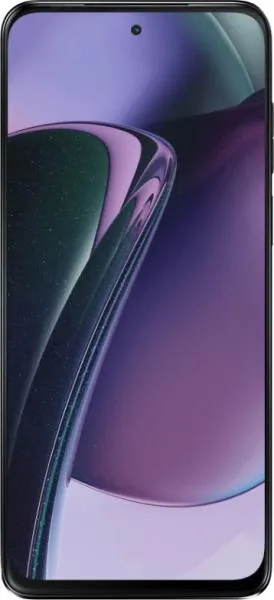
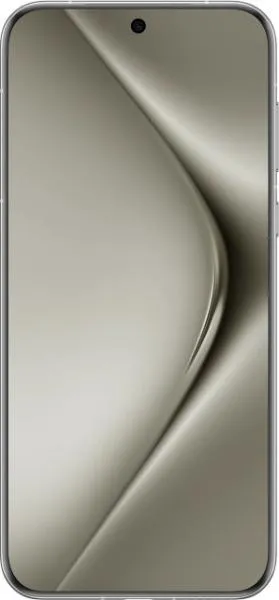
| Feature | Motorola Moto G Stylus 5G (2023) | Huawei Pura 70 Pro | Practical Impact |
|---|---|---|---|
| Design | |||
| Dimensions (mm) | 162.8 x 73.8 x 9.2 | 162.6 x 75.1 x 8.4 | Huawei is slightly thinner but wider. Negligible difference in hand feel. |
| Weight (g) | 202 | 220 | Huawei is noticeably heavier (18g). |
| Display | |||
| Display Type | IPS LCD, 120Hz | LTPO OLED, 120Hz | Huawei offers superior contrast, deeper blacks, and potentially better power efficiency due to LTPO technology. Motorola's LCD might be brighter outdoors. |
| Display Size (inches) | 6.6 | 6.8 | Huawei offers a slightly larger screen for more immersive media consumption. |
| Resolution | 1080 x 2400 | 1260 x 2844 | Huawei boasts significantly sharper visuals due to higher resolution (460 ppi vs 399 ppi). |
| Peak Brightness | Not specified | 2500 nits | Huawei's display will be vastly more visible in direct sunlight. Missing data for Motorola limits full comparison. |
| Performance | |||
| Chipset | Snapdragon 6 Gen 1 (4nm) | Kirin 9010 (7nm) | Kirin 9010, despite older fabrication process, is likely a more powerful flagship-level processor compared to the mid-range Snapdragon 6 Gen 1. Huawei should offer smoother performance in demanding tasks and gaming. |
| CPU | Octa-core (4x2.2 GHz Cortex-A78 & 4x1.8 GHz Cortex-A55) | Octa-core (1x2.3 GHz Taishan Big & 3x2.18 GHz Taishan Mid & 4x1.55 GHz Cortex-A510) | Huawei's CPU architecture suggests a focus on performance and efficiency. Practical difference needs real-world benchmarks. |
| RAM | 8GB (Up to) | 12GB | Huawei offers significantly more RAM, enabling better multitasking and smoother performance with multiple apps open. |
| Camera | |||
| Main Camera | 50MP, f/1.88 | 50MP, f/1.4, OIS | Huawei's wider aperture (f/1.4) allows for better low-light performance and shallower depth of field. Both have OIS for stable video recording. |
| Ultrawide | 8MP, f/2.2 | 12.5MP, f/2.2 | Huawei offers a higher resolution ultrawide camera for more detailed shots. |
| Telephoto | No | 48MP, f/2.1, OIS | Huawei offers a dedicated telephoto lens with optical zoom, enabling zoomed-in shots without sacrificing detail. Motorola lacks this feature. |
| Battery | |||
| Capacity | 5000 mAh | 5050 mAh | Negligible difference in battery capacity. Real-world battery life depends on software optimization and usage patterns. |
2. Key Differences Analysis
Motorola Moto G Stylus 5G (2023) Advantages:
- Stylus Support: (Assumed based on name, but not explicitly stated in specs). Offers unique note-taking and drawing capabilities.
- Potentially Lower Price: Typically positioned in a more affordable segment.
- Potentially Better LCD Visibility in Sunlight: Although peak brightness data is missing, LCDs can sometimes outperform OLEDs in bright conditions.
Huawei Pura 70 Pro Advantages:
- Superior Display: OLED with higher resolution, HDR support, and much higher peak brightness.
- Significantly More Powerful: Kirin 9010 and 12GB RAM deliver flagship-level performance.
- Versatile Camera System: Includes a telephoto lens for optical zoom, wider aperture main lens, and higher resolution ultrawide.
- More Feature-Rich USB Port: USB 3.1 with DisplayPort capabilities offers faster data transfer and video output.
Trade-offs:
- Price: Huawei Pura 70 Pro is significantly more expensive.
- Operating System: Uncertainty around Huawei's OS and app ecosystem due to missing specifications.
- Weight: Huawei is heavier.
3. User Profiles & Recommendations
Motorola Moto G Stylus 5G (2023): Ideal for budget-conscious users who prioritize note-taking, basic tasks, and casual media consumption. Students, artists, and those seeking a reliable secondary device would benefit.
Huawei Pura 70 Pro: Suitable for power users, photographers, and those seeking a premium smartphone experience. Gamers, content creators, and professionals who demand top-tier performance and a high-quality display will appreciate this phone. However, the uncertainty surrounding the OS needs clarification before a strong recommendation can be made.
4. Decision Framework
Key Questions for Buyers:
- What is your budget?
- What are your primary use cases (e.g., note-taking, gaming, photography)?
- How important is software and app ecosystem to you?
Scenario-Based Recommendations:
- Tight Budget & Note-Taking Needs: Motorola Moto G Stylus 5G
- Premium Experience & Performance Focus: Huawei Pura 70 Pro (pending OS clarification)
- Balanced Approach: Consider other alternatives in the mid-range segment with established OS ecosystems.
My Choice: Huawei Pura 70 Pro (with caveats)
Reasoning: The Huawei Pura 70 Pro offers a significantly superior display, performance, and camera system. These are key factors for my personal smartphone usage, which includes photography, gaming, and media consumption. However, the lack of clarity around the OS and potential app ecosystem limitations is a major concern. Before committing, I would need to confirm that the phone runs a fully functional OS with access to essential apps like Google services. If those concerns are addressed, the Huawei is the clear winner based on the superior hardware. If the OS is a significant limitation, I would explore other options in the same price range with more established software ecosystems.
