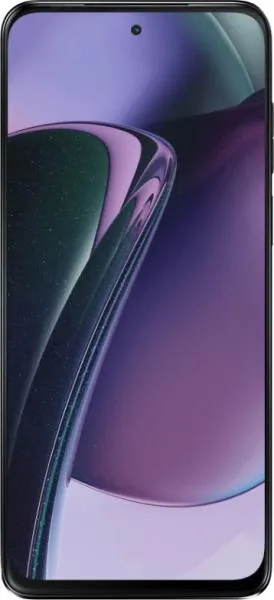
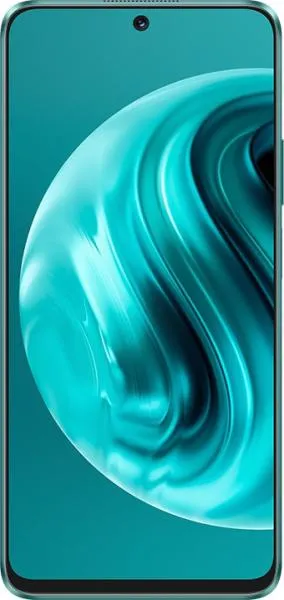
1. Specifications Comparison
| Feature | Motorola Moto G Stylus 5G (2023) | Huawei nova 12i | Practical Impact |
|---|---|---|---|
| Design | |||
| Dimensions (mm) | 162.8 x 73.8 x 9.2 | 163.3 x 74.7 x 8.4 | Nova 12i is slightly thinner and lighter. Negligible difference in everyday use. |
| Weight (g) | 202 | 199 | Negligible difference in hand feel. |
| Stylus | Yes | No | Significant advantage for note-taking, sketching, and precise screen interaction on the Motorola. |
| Display | |||
| Size (inches) | 6.6 | 6.7 | Nova 12i offers slightly more screen real estate. |
| Resolution (px) | 1080 x 2400 | 1080 x 2388 | Virtually identical sharpness. |
| Refresh Rate (Hz) | 120 | 90 | Motorola offers smoother scrolling and animations, beneficial for gaming and general UI responsiveness. |
| Display Type | IPS LCD | IPS LCD | Similar color accuracy and viewing angles expected. No HDR support on either. |
| Performance | |||
| Chipset | Snapdragon 6 Gen 1 (4nm) | Snapdragon 680 4G (6nm) | Motorola's 6 Gen 1 offers significantly better CPU and GPU performance, resulting in faster app loading, smoother multitasking, and better gaming capabilities. |
| CPU | Octa-core (4x2.2 GHz Cortex-A78 & 4x1.8 GHz Cortex-A55) | Octa-core (4x2.4 GHz Cortex-A73 & 4x1.9 GHz Cortex-A53) | Despite higher clock speed on some cores of the 680, the 6 Gen 1's architecture is newer and more efficient, providing better overall performance. |
| RAM (GB) | 8 | 8 | Equivalent RAM capacity for multitasking. |
| 5G Connectivity | Yes | No | Motorola offers faster cellular data speeds and broader network compatibility in areas with 5G coverage. |
| Camera | |||
| Main Camera (MP) | 50 | 108 | Nova 12i boasts higher resolution, potentially capturing more detail. However, sensor size and processing play a crucial role in image quality, which is not fully detailed here. |
| Video Recording | 4K@30fps, 1080p@60fps | 1080p@30fps | Motorola provides higher resolution and frame rate video recording options. |
| Battery | |||
| Capacity (mAh) | 5000 | 5000 | Similar battery capacity, suggesting comparable battery life. Real-world usage will depend on software optimization and individual usage patterns. |
2. Key Differences Analysis
Motorola Moto G Stylus 5G (2023) Advantages:
- Superior Performance: The Snapdragon 6 Gen 1 provides a significant performance advantage over the Snapdragon 680.
- 5G Connectivity: Offers faster data speeds and broader network compatibility.
- 120Hz Display: Smoother and more responsive user experience.
- Stylus Support: Unique feature for note-taking and drawing.
- Better Video Recording Capabilities: Higher resolution and frame rates.
Huawei nova 12i Advantages:
- Slightly Thinner and Lighter: Negligible difference in real-world use.
- Higher Resolution Main Camera: Potentially more detailed photos, but image quality depends on other factors not specified.
- Dual SIM: Supports two SIM cards simultaneously.
3. User Profiles & Recommendations
Motorola Moto G Stylus 5G (2023): Ideal for users who prioritize performance, 5G connectivity, smooth display, and the versatility of a stylus. Suitable for students, artists, and anyone who multitasks or plays mobile games.
Huawei nova 12i: Best suited for budget-conscious users who prioritize a large display and dual SIM functionality. Suitable for users in areas without 5G coverage who primarily use their phones for basic tasks like calling, texting, and social media.
4. Decision Framework
Key Questions for Buyers:
- Is 5G connectivity important to you?
- Do you value performance for gaming or demanding apps?
- Do you need a stylus for note-taking or drawing?
Scenario-Based Recommendations:
- Student on a Budget: Motorola Moto G Stylus 5G (2023) if affordable; the stylus is beneficial for note-taking.
- Heavy Mobile Gamer: Motorola Moto G Stylus 5G (2023) for its superior performance and 120Hz display.
- User in a Non-5G Area: Huawei nova 12i might be sufficient if dual SIM is a priority and budget is tight.
My Choice: Motorola Moto G Stylus 5G (2023)
Reasoning: The Motorola offers significant advantages in performance, display quality, and connectivity thanks to the Snapdragon 6 Gen 1 and 5G support. The 120Hz display provides a noticeably smoother user experience. While the Nova 12i might offer a slightly larger display and higher resolution main camera on paper, the Motorola's overall package is more compelling. The inclusion of a stylus adds unique functionality for productivity and creativity, making it a more versatile device. The performance difference alone would heavily sway my decision, as a smooth and responsive phone is crucial for a good user experience. While acknowledging the lack of detailed camera sensor information, the superior video recording capabilities of the Motorola are also a significant plus. Finally, future-proofing with 5G connectivity makes the Motorola a more worthwhile long-term investment.
