1. Specifications Comparison
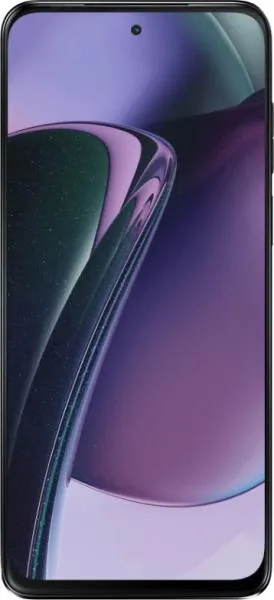
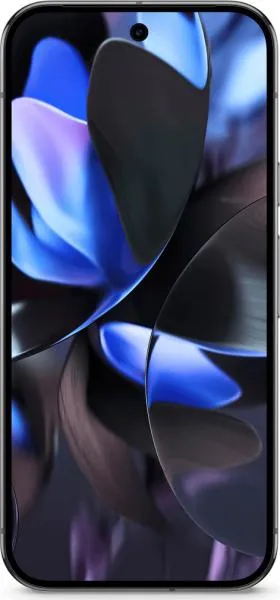
| Feature | Motorola Moto G Stylus 5G (2023) | Google Pixel 9 Pro XL | Practical Impact |
|---|---|---|---|
| Design | |||
| Dimensions (mm) | 162.8 x 73.8 x 9.2 | 162.8 x 76.6 x 8.5 | Pixel 9 Pro XL is slightly wider and thinner. |
| Weight (g) | 202 | 221 | Pixel 9 Pro XL is noticeably heavier. |
| Build Material | Not specified | Not specified | Cannot compare build quality and durability. |
| Display | |||
| Display Type | IPS LCD, 120Hz | LTPO OLED, 120Hz | Pixel offers superior contrast, deeper blacks, and potentially better power efficiency due to LTPO. Moto G has a standard LCD. |
| Size (inches) | 6.6 | 6.8 | Pixel has a slightly larger display. |
| Resolution | 1080 x 2400 | 1344 x 2992 | Pixel has a significantly sharper display with higher pixel density (486 vs 399 PPI), resulting in clearer text and images. |
| Peak Brightness | Not specified | Up to 3000 nits | Pixel offers much higher peak brightness, improving outdoor visibility. Missing Moto G brightness limits comparison. |
| HDR | No HDR specified | HDR10+ | Pixel supports HDR10+ for enhanced dynamic range in compatible content. |
| Performance | |||
| Chipset | Snapdragon 6 Gen 1 (4nm) | Google Tensor G4 (4nm) | Tensor G4 is expected to be significantly more powerful, especially in AI tasks, and offer better overall performance. |
| CPU | Octa-core (4x2.2 GHz Cortex-A78 & 4x1.8 GHz Cortex-A55) | Octa-core (1x3.1 GHz Cortex-X4 & 3x2.6 GHz Cortex-A720 & 4x1.92 GHz Cortex-A520) | Pixel has a more powerful and modern CPU architecture. |
| RAM | 8GB (Max in Version) | 16GB | Pixel has double the RAM, enabling better multitasking and smoother performance with demanding apps. |
| Storage | Up to 256GB | Up to 1TB | Pixel offers significantly more storage options for users with large media libraries. |
| Camera | |||
| Main Camera | 50MP | 50MP (Samsung GN1) | Pixel likely has a superior main camera due to the larger sensor (1/1.31" vs 1/1.55") and advanced processing. |
| Ultrawide | 8MP | 48MP | Pixel has a dramatically better ultrawide camera with much higher resolution. |
| Telephoto | No Telephoto | 48MP | Pixel offers telephoto capabilities for optical zoom, which Moto G lacks. |
| Video Recording | Up to 4K@30fps | Up to 8K@30fps | Pixel supports higher resolution video recording. |
| Battery | |||
| Capacity (mAh) | 5000 | 5060 | Negligible difference in battery capacity. Real-world battery life will depend more on software optimization and display power consumption. |
| Charging Speed | Not specified | Not specified | Cannot compare charging speeds. |
2. Key Differences Analysis
Motorola Moto G Stylus 5G (2023) Advantages:
- Stylus Support: Assumed due to the name, but not explicitly stated in the specs. If present, this is a unique advantage for note-taking and drawing.
- Potentially Lower Price: Belongs to a "medium price" range compared to the Pixel's "high price".
Google Pixel 9 Pro XL Advantages:
- Superior Performance: Significantly more powerful processor, more RAM.
- Better Display: Higher resolution, OLED technology, HDR support, higher brightness.
- More Advanced Camera System: Higher resolution sensors, telephoto lens, 8K video recording, superior image processing expected due to Google's expertise.
- Longer Software Support: Expected to receive more OS and security updates than the Moto G.
- More Storage Options: Up to 1TB compared to 256GB.
3. User Profiles & Recommendations
Moto G Stylus 5G (2023): Budget-conscious users who prioritize stylus functionality for note-taking or drawing, basic everyday tasks, and don't require top-tier performance or camera quality.
Google Pixel 9 Pro XL: Users who demand the best possible performance, camera quality, and display, and are willing to pay a premium. Ideal for power users, mobile photographers/videographers, and those who value a premium user experience.
4. Decision Framework
Key Questions for Buyers:
- What is your budget? The Pixel is significantly more expensive.
- What are your primary use cases? (e.g., photography, gaming, note-taking, social media)
- How important are software updates and future-proofing?
Scenario-Based Recommendations:
- Tight Budget, Note-Taker: Moto G Stylus 5G (assuming stylus support).
- Best Camera and Performance: Pixel 9 Pro XL.
- Balance of Performance and Value: Consider other options not listed here, as the Moto G lacks in key areas and the Pixel commands a high price.
My Choice: Google Pixel 9 Pro XL
While significantly more expensive, the Pixel 9 Pro XL offers a substantial upgrade in almost every aspect. The superior performance, camera system, display, and expected software support make it a more compelling long-term investment. While the Moto G Stylus might offer a stylus (not confirmed), its other specifications fall far behind. I prioritize a smooth, future-proof experience with excellent camera capabilities, making the Pixel the clear winner for me. The price difference is significant, but the value proposition of the Pixel, in terms of overall user experience and longevity, justifies the premium.
