1. Specifications Comparison
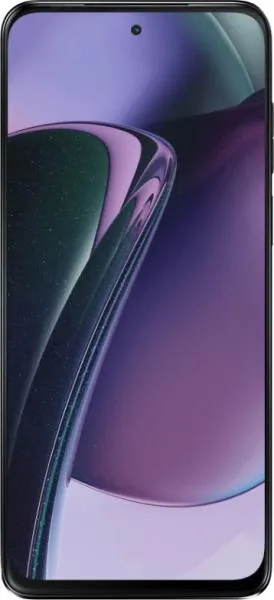
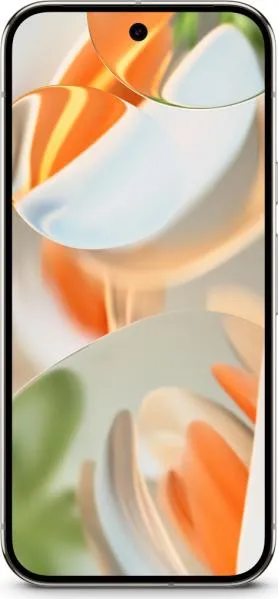
| Feature | Motorola Moto G Stylus 5G (2023) | Google Pixel 9 Pro | Practical Impact |
|---|---|---|---|
| Design | |||
| Dimensions (mm) | 162.8 x 73.8 x 9.2 | 152.8 x 72.0 x 8.5 | Pixel 9 Pro is noticeably smaller and thinner, making it more pocketable. |
| Weight (g) | 202 | 199 | Negligible weight difference. |
| Build Materials | Not specified | Not specified | Cannot compare build quality and durability without this information. |
| Display | |||
| Display Type | IPS LCD, 120Hz | LTPO OLED, 120Hz | Pixel 9 Pro offers superior contrast, deeper blacks, and potentially better power efficiency due to LTPO technology. |
| Display Size (inches) | 6.6 | 6.3 | Moto G Stylus has a slightly larger screen for media consumption. |
| Resolution | 1080 x 2400 | 1280 x 2856 | Pixel 9 Pro has a sharper display with higher pixel density (495 ppi vs 399 ppi). |
| Peak Brightness | Not specified | Up to 3000 nits | Pixel 9 Pro's significantly higher peak brightness ensures excellent outdoor visibility. Missing Moto G Stylus data limits comparison. |
| HDR | No | HDR10+, Dolby Vision | Pixel 9 Pro supports HDR for improved dynamic range in compatible content. |
| Performance | |||
| Chipset | Snapdragon 6 Gen 1 | Google Tensor G4 | Tensor G4 is expected to provide significantly better performance, especially in AI-related tasks. |
| CPU | Octa-core (4x2.2 GHz Cortex-A78 & 4x1.8 GHz Cortex-A55) | Octa-core (1x3.1 GHz Cortex-X4 & 3x2.6 GHz Cortex-A720 & 4x1.92 GHz Cortex-A520) | Pixel 9 Pro's more modern and powerful CPU architecture translates to faster processing and smoother multitasking. |
| RAM | 8GB | 16GB | Pixel 9 Pro's double the RAM enables superior multitasking and app switching performance. |
| Storage | Up to 256GB | Up to 1TB | Pixel 9 Pro offers significantly more storage options. |
| Camera | |||
| Main Camera | 50MP | 50MP | Resolution is similar, but sensor size and other factors can significantly impact image quality. Detailed sensor specs for Pixel could provide a clearer picture. |
| Ultrawide | 8MP | 48MP | Pixel 9 Pro likely offers a much higher quality ultrawide experience with greater detail and resolution. |
| Telephoto | No | 48MP | Pixel 9 Pro includes a dedicated telephoto lens for optical zoom, absent in the Moto G Stylus. |
| Video Recording | Up to 4K@30fps | Up to 8K@30fps | Pixel 9 Pro allows for higher resolution video recording. |
| Battery | |||
| Capacity | 5000 mAh | 4700 mAh | Moto G Stylus has a slightly larger battery capacity, potentially offering longer battery life. However, real-world usage depends on various factors, including software optimization. |
2. Key Differences Analysis
Motorola Moto G Stylus 5G (2023) Advantages:
- Larger Battery: Potentially longer battery life.
- Stylus Support: Offers unique note-taking and drawing capabilities (not explicitly mentioned but implied in the name).
- Lower Price: Significantly more affordable.
Google Pixel 9 Pro Advantages:
- Superior Performance: Significantly faster processor and more RAM.
- Higher Quality Display: Brighter, sharper OLED with HDR support.
- More Advanced Camera System: Higher resolution ultrawide and telephoto lenses, 8K video recording.
- Software Updates: Longer software support and faster updates directly from Google.
3. User Profiles & Recommendations
Moto G Stylus 5G (2023):
- Budget-conscious users: Prioritize affordability.
- Note-takers and artists: Utilize the stylus for drawing and handwriting.
- Basic smartphone users: Primarily use phone for calling, texting, and light browsing.
Google Pixel 9 Pro:
- Power users: Demand top-tier performance for demanding tasks and gaming.
- Photography enthusiasts: Value a high-quality camera system.
- Tech-savvy users: Appreciate the latest software and features.
4. Decision Framework
Key Questions for Buyers:
- What is your budget? The Pixel 9 Pro is significantly more expensive.
- What are your primary smartphone uses? (e.g., photography, gaming, note-taking).
- How important is software support and future-proofing?
My Choice: Google Pixel 9 Pro
While the Motorola Moto G Stylus 5G (2023) offers a compelling value proposition for budget-conscious users, the Google Pixel 9 Pro is the superior device overall. Its significantly faster performance, stunning display, advanced camera system, and longer software support outweigh the higher price for me. I prioritize a smooth user experience, high-quality photos and videos, and the assurance of timely software updates. The stylus functionality of the Moto G Stylus is interesting, but it doesn't outweigh the significant advantages offered by the Pixel 9 Pro in areas that I value more. While battery life is a concern, I'm willing to bet on Google's software optimization to mitigate the slightly smaller battery capacity compared to the Moto G Stylus.
