1. Specifications Comparison
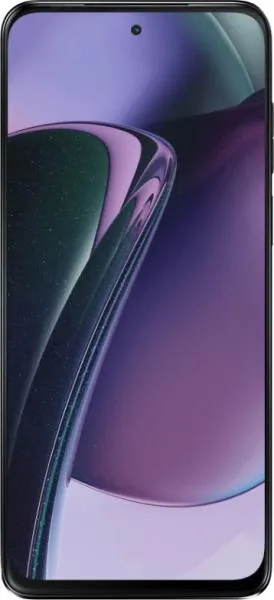
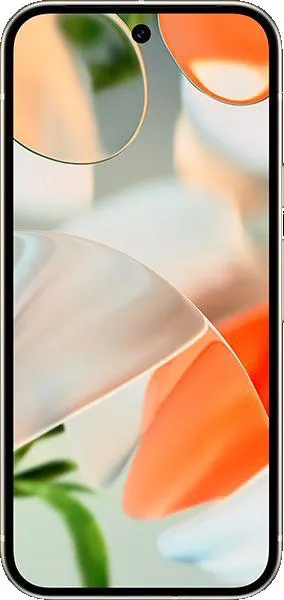
| Feature | Motorola Moto G Stylus 5G (2023) | Google Pixel 9 | Practical Impact |
|---|---|---|---|
| Design | |||
| Dimensions (mm) | 162.8 x 73.8 x 9.2 | 152.8 x 72 x 8.5 | Pixel 9 is noticeably smaller and more pocketable. |
| Weight (g) | 202 | 198 | Negligible weight difference in real-world usage. |
| Build Materials | Not specified | Not specified | Cannot compare build quality and durability. |
| Display | |||
| Display Type | IPS LCD, 120Hz | OLED, 120Hz | Pixel 9's OLED offers deeper blacks, higher contrast, and potentially better power efficiency. |
| Display Size (inches) | 6.6 | 6.3 | Moto G Stylus has a slightly larger screen for media consumption. |
| Resolution | 1080 x 2400 | 1080 x 2424 | Virtually identical resolution; sharpness will be similar. |
| Peak Brightness | Not specified | Up to 2700 nits | Pixel 9's significantly higher peak brightness ensures excellent outdoor visibility. |
| HDR | No | HDR10+ | Pixel 9 supports HDR content for a wider dynamic range and more vibrant colors in supported media. |
| Performance | |||
| Chipset | Snapdragon 6 Gen 1 | Google Tensor G4 | Tensor G4 is expected to offer significantly better performance, especially in AI and machine learning tasks. |
| CPU | Octa-core (4x2.2 GHz Cortex-A78 & 4x1.8 GHz Cortex-A55) | Octa-core (1x3.1 GHz Cortex-X4 & 3x2.6 GHz Cortex-A720 & 4x1.92 GHz Cortex-A520) | Pixel 9 has a more powerful and modern CPU architecture, resulting in smoother multitasking and faster app loading. |
| RAM | 8GB | 12GB | Pixel 9's larger RAM enables better multitasking and reduces app closures in the background. |
| Camera | |||
| Main Camera | 50MP, f/1.88 | 50MP, f/1.69, Samsung GNK Sensor | Pixel 9's wider aperture and potentially superior sensor should deliver better low-light performance. Specific image quality comparisons require real-world testing. |
| Ultrawide Camera | 8MP, f/2.2 | 48MP, f/1.7 | Pixel 9's ultrawide camera boasts significantly higher resolution and a wider aperture for superior image quality. |
| Selfie Camera | 16MP, f/2.5 | 10.5MP, f/2.2 | Resolution difference exists, but practical selfie quality depends on factors beyond megapixels. |
| Video Recording | 4K@30fps | 4K@60fps with HDR, OIS, EIS | Pixel 9 offers higher resolution and frame rate video recording with HDR, resulting in smoother and more visually appealing videos. |
| Battery | |||
| Capacity | 5000 mAh | 4700 mAh | Moto G Stylus has a slightly larger battery capacity, but real-world battery life depends on numerous factors including software optimization. |
2. Key Differences Analysis
Motorola Moto G Stylus 5G (2023) Advantages:
- Larger Battery: Potentially longer battery life, but real-world usage will vary.
- Stylus Support: Offers precise note-taking and drawing capabilities (not detailed in specs but implied by name).
- Lower Price: Expected to be significantly more affordable.
Google Pixel 9 Advantages:
- Superior Performance: Significantly faster processor and more RAM for a smoother user experience.
- Higher Quality Display: OLED technology offers better contrast, deeper blacks, and higher brightness.
- Advanced Camera System: Higher resolution ultrawide camera, wider aperture main camera, and more advanced video recording capabilities.
- Software Updates: Longer software support and faster updates directly from Google.
3. User Profiles & Recommendations
Motorola Moto G Stylus 5G (2023): Ideal for budget-conscious users who prioritize battery life and stylus functionality for note-taking or drawing. Students, casual users, and those seeking an affordable option would find this suitable.
Google Pixel 9: Best suited for users who demand top-tier performance, a premium display, and an excellent camera system. Power users, photographers, videographers, and those who value a smooth and up-to-date software experience would prefer the Pixel 9.
4. Decision Framework
Key Questions for Buyers:
- What is your budget? The Pixel 9 is expected to be significantly more expensive.
- What are your performance needs? For demanding tasks and gaming, the Pixel 9 is the clear winner.
- How important is camera quality? The Pixel 9 offers a more versatile and capable camera system.
My Choice: Google Pixel 9
While the Motorola Moto G Stylus 5G (2023) offers a larger battery and stylus support at a lower price, the Google Pixel 9 is the superior device overall. Its significantly faster performance, higher quality OLED display, more advanced camera system, and longer software support outweigh the Moto G Stylus' advantages for me. The Pixel's smaller size is also more appealing for daily use. While price is a factor, I prioritize the overall user experience and longevity offered by the Pixel 9. The superior camera and the promise of consistent and long-term software updates are significant factors in my decision.
