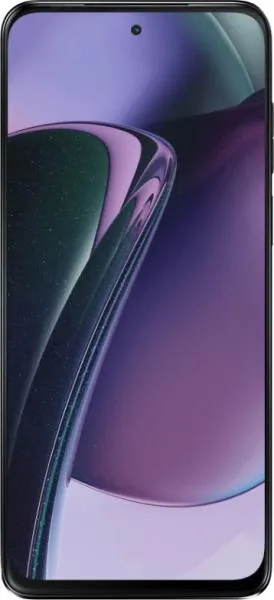
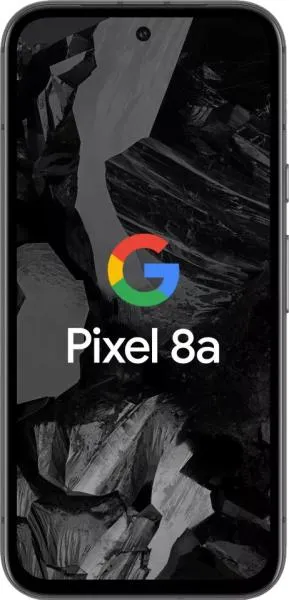
1. Specifications Comparison
| Feature | Motorola Moto G Stylus 5G (2023) | Google Pixel 8a | Practical Impact |
|---|---|---|---|
| Design | |||
| Dimensions (mm) | 162.8 x 73.8 x 9.2 | 152.1 x 72.7 x 8.9 | Pixel 8a is noticeably smaller and more pocketable. |
| Weight (g) | 202 | 188 | Pixel 8a is lighter, reducing hand fatigue during extended use. |
| Build Material | Not specified | Not specified | Cannot compare build quality and durability. |
| Display | |||
| Display Type | IPS LCD, 120Hz | OLED, HDR, 120Hz | Pixel 8a's OLED offers deeper blacks, higher contrast, and potentially better power efficiency. HDR support provides a wider color gamut and improved dynamic range for compatible content. |
| Display Size (inches) | 6.6 | 6.1 | Moto G Stylus offers a larger screen for media consumption but reduced one-handed usability. |
| Resolution | 1080 x 2400 | 1080 x 2400 | Similar sharpness due to the Pixel 8a's smaller screen size resulting in higher pixel density. |
| Performance | |||
| Chipset | Snapdragon 6 Gen 1 | Google Tensor G3 | Tensor G3 likely offers superior performance, especially in AI-related tasks and image processing. |
| CPU | Octa-core (4x2.2 GHz Cortex-A78 & 4x1.8 GHz Cortex-A55) | Nona-core (1x3.0 GHz Cortex-X3 & 4x2.45 GHz Cortex-A715 & 4x2.15 GHz Cortex-A510) | Pixel 8a's more modern CPU architecture should deliver faster processing speeds and smoother multitasking. |
| GPU | Adreno 710 | Immortalis-G715s MC10 | Pixel 8a will likely have significantly better graphics performance for demanding games and applications. |
| RAM | 8GB | 8GB | Both phones offer ample RAM for smooth multitasking. |
| Camera | |||
| Main Camera | 50MP | 64MP | Pixel 8a boasts a higher resolution main sensor and a larger sensor size (inferred from pixel size and pixel binning) potentially capturing more detail and light. |
| Ultrawide | 8MP | 13MP | Pixel 8a's ultrawide likely offers wider field of view and better image quality. |
| Selfie | 16MP | 13MP | Resolution difference is minor; image quality will depend more on processing. |
| Video | 4K@30fps | 4K@60fps with OIS | Pixel 8a allows for higher resolution and smoother video recording with optical image stabilization for steadier footage. |
| Battery | |||
| Capacity | 5000 mAh | 4492 mAh | Moto G Stylus has a larger battery capacity suggesting longer battery life, though real-world usage will depend on optimization. |
2. Key Differences Analysis
Motorola Moto G Stylus 5G (2023) Advantages:
- Larger Battery: Potentially longer battery life.
- Stylus Support: Offers note-taking and drawing capabilities (not explicitly stated but implied by the name).
- Potentially Lower Price: Depending on specific market pricing.
Google Pixel 8a Advantages:
- Superior Performance: More powerful processor and GPU for smoother overall experience and better gaming.
- Better Camera System: Higher resolution sensors, more advanced features like OIS on 4K60 video recording, and generally better image quality due to Google's computational photography.
- More Compact Design: Easier to handle and carry.
- OLED Display: Superior display technology with richer colors and deeper blacks.
- Longer Software Support: Pixel phones receive guaranteed OS and security updates for a longer period.
3. User Profiles & Recommendations
Moto G Stylus 5G (2023):
- Ideal User: Budget-conscious users who prioritize battery life and stylus functionality for note-taking or drawing. Light to moderate users.
- Use Cases: Casual gaming, social media, web browsing, note-taking, drawing.
Google Pixel 8a:
- Ideal User: Users who prioritize performance, camera quality, and a premium software experience.
- Use Cases: Mobile gaming, photography, videography, demanding applications, multitasking.
4. Decision Framework
Key Questions for Buyers:
- What is your budget? The Moto G Stylus is likely more affordable.
- What are your primary use cases? Stylus use, long battery life vs. performance, camera quality.
- How important is software support and updates? Pixel phones generally receive longer support.
My Choice: Google Pixel 8a
While the Moto G Stylus offers a larger battery and stylus support, the Pixel 8a's superior performance, significantly better camera system, more compact design, OLED display, and longer software support make it a more compelling overall package. The Tensor G3 chip offers significant advantages in performance and AI capabilities, resulting in a smoother and more responsive user experience. The camera improvements, especially in video recording and low-light performance (inferred from better specs), are substantial. While the smaller battery capacity might be a concern for some, the OLED display's efficiency could potentially offset this difference in real-world usage. Ultimately, the Pixel 8a's combination of premium features and future-proofing through software updates makes it the better choice for my needs.
