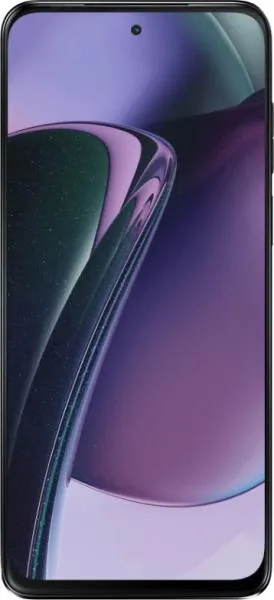
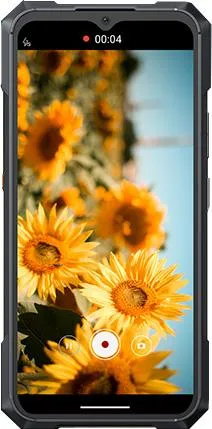
1. Specifications Comparison
| Feature | Motorola Moto G Stylus 5G (2023) | Cubot KingKong X | Practical Impact |
|---|---|---|---|
| Design | |||
| Dimensions (mm) | 162.8 x 73.8 x 9.2 | 170.9 x 82.2 x 18.7 | Cubot is significantly larger and thicker, potentially less pocketable. |
| Weight (g) | 202 | 388 | Cubot is much heavier, impacting one-handed use and portability. |
| Build Materials | Unspecified | Unspecified | Durability and premium feel cannot be compared without further information. |
| Display | |||
| Size (inches) | 6.6 | 6.58 | Negligible size difference. |
| Resolution (pixels) | 1080 x 2400 | 1080 x 2408 | Virtually identical sharpness. |
| Refresh Rate (Hz) | 120 | 120 | Both offer smooth scrolling and animations. |
| Display Type | IPS LCD | IPS LCD | Similar color accuracy and viewing angles expected. |
| Performance | |||
| Chipset | Snapdragon 6 Gen 1 (4nm) | Dimensity 7050 (6nm) | Dimensity 7050 generally offers slightly better performance but potentially higher power consumption due to the less efficient 6nm process. |
| CPU | Octa-core (4x2.2 GHz A78 & 4x1.8 GHz A55) | Octa-core (2x2.6 GHz A78 & 6x2.0 GHz A55) | Cubot has slightly higher clock speeds, potentially resulting in faster app loading and multitasking. |
| GPU | Adreno 710 | Mali-G68 MC4 | Performance differences will vary based on specific tasks and games, further benchmarking required for definitive comparison. |
| RAM | 8GB (reviewed version) | 16GB (reviewed version) | Cubot offers significantly more RAM, enabling better multitasking and preventing app closures. |
| Storage | 256GB (reviewed version) | 512GB (reviewed version) | Cubot offers double the storage. |
| Camera | |||
| Main Camera (MP) | 50 | 100 | Higher megapixel count on Cubot doesn't guarantee better image quality; sensor size and processing are crucial. |
| Front Camera (MP) | 16 | 32 | Cubot has a higher resolution front camera, potentially better for selfies. |
| Video Recording | 4K@30fps | 4K@30fps | Comparable video resolution. |
| Battery | |||
| Capacity (mAh) | 5000 | 10200 | Cubot has more than double the battery capacity, significantly extending potential usage time. |
| Charging Speed | Unspecified | Unspecified | Charging speed comparison not possible without further data. |
| Other | |||
| OS | Android 13 | Android 14 | Cubot has the newer Android version with potential features and security updates. |
| NFC | Yes | Yes | Both support contactless payments. |
| Stylus | Yes | No | Motorola offers stylus functionality for note-taking and drawing. |
2. Key Differences Analysis
Motorola Moto G Stylus 5G (2023) Advantages:
- Integrated Stylus: Offers precise note-taking and drawing capabilities.
- Potentially More Compact and Lighter: Easier for one-handed use and pocket portability.
Cubot KingKong X Advantages:
- Significantly Larger Battery: Much longer battery life.
- More RAM and Storage: Superior multitasking and ample storage space.
- Higher Resolution Cameras: Potential for better image quality, especially in the front camera. Needs further analysis due to sensor quality being unknown.
- Newer Android Version: Access to the latest features and security updates.
Trade-offs:
- Cubot's Size and Weight: While offering a larger battery, the Cubot's bulk might be undesirable for some users.
- Motorola's Lower RAM and Storage: Could limit multitasking performance compared to the Cubot.
3. User Profiles & Recommendations
Motorola Moto G Stylus 5G (2023): Ideal for users who prioritize note-taking, drawing, or prefer a compact and lighter phone. Students, artists, or anyone who frequently uses a stylus would benefit.
Cubot KingKong X: Suitable for users who need exceptional battery life, ample storage, and prioritize performance for demanding tasks or extended usage without charging. Ideal for travelers, power users, or those in areas with limited access to charging.
4. Decision Framework
Key Questions for Buyers:
- How important is stylus functionality? If crucial, the Motorola is the only option.
- What is your priority: portability or battery life? The Motorola offers better portability, while the Cubot boasts significantly longer battery life.
- What is your budget and required storage/RAM? The Cubot offers more for a slightly higher price, particularly in terms of memory and storage.
Scenario-Based Recommendations:
- Student on a Budget: Motorola Moto G Stylus 5G, offering note-taking capabilities and decent performance at a lower price.
- Frequent Traveler: Cubot KingKong X, due to its extended battery life.
- Power User: Cubot KingKong X, given its superior RAM, storage, and processing power.
My Choice: Cubot KingKong X
While the stylus functionality of the Motorola is attractive, the Cubot KingKong X's significantly larger battery, greater RAM and storage, and newer Android version outweigh the benefits for my personal needs. I prioritize long battery life and smooth performance for multitasking, making the Cubot a more compelling choice despite its larger size and weight. The higher resolution cameras are a potential bonus, but image quality ultimately depends on real-world testing and sensor/software quality which is not provided in the specs.
