1. Specifications Comparison
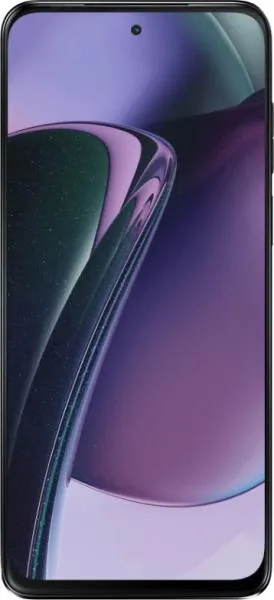
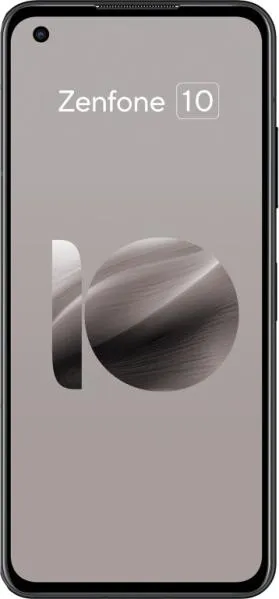
| Feature | Motorola Moto G Stylus 5G (2023) | Asus Zenfone 10 | Practical Impact |
|---|---|---|---|
| Design | |||
| Dimensions (mm) | 162.8 x 73.8 x 9.2 | 146.5 x 68.1 x 9.4 | Zenfone 10 is significantly smaller and more pocketable. |
| Weight (g) | 202 | 172 | Zenfone 10 is noticeably lighter for more comfortable one-handed use. |
| Stylus | Yes | No | Moto G Stylus offers note-taking and drawing capabilities. |
| Display | |||
| Size (inches) | 6.6 | 5.92 | Moto G Stylus has a larger screen for media consumption, Zenfone 10 is better for one-handed use. |
| Resolution (pixels) | 1080 x 2400 | 1080 x 2400 | Similar sharpness despite size difference due to Zenfone's higher pixel density. |
| Panel Type | IPS LCD, 120Hz | AMOLED, 144Hz, HDR10+ | Zenfone 10 boasts superior contrast, vibrant colors, smoother scrolling, and HDR support for richer visuals. |
| Performance | |||
| Chipset | Snapdragon 6 Gen 1 | Snapdragon 8 Gen 2 | Zenfone 10 offers significantly faster processing power for demanding tasks and gaming. |
| RAM (GB) | 8 | 8/16 | Zenfone 10 offers a 16GB RAM option for even more aggressive multitasking. |
| Camera | |||
| Main Camera (MP) | 50 | 50 | Comparable resolution, but Zenfone 10 uses a superior Sony IMX766 sensor likely resulting in better image quality. |
| Wide/Macro (MP) | 8 | 13 | Zenfone 10 offers a higher resolution ultrawide with potential for better detail. |
| Selfie Camera (MP) | 16 | 32 | Zenfone 10 has a much higher resolution selfie camera. |
| Video | 4K@30fps | 8K@24fps, 4K@60fps | Zenfone 10 supports higher resolution and frame rate video recording. ZenFone 10 also has a 6-axis gimbal stabilization for smoother videos. |
| Battery | |||
| Capacity (mAh) | 5000 | 4300 | Moto G Stylus has a larger battery capacity, potentially offering longer battery life. However, the Zenfone 10's more efficient processor might offset this difference. |
2. Key Differences Analysis
Motorola Moto G Stylus 5G (2023) Advantages:
- Integrated Stylus: Unique feature for note-taking, sketching, and precise screen interaction.
- Larger Battery: Potential for longer usage time between charges.
- Lower Price: Offers good value for its features.
Asus Zenfone 10 Advantages:
- Significantly Faster Performance: Snapdragon 8 Gen 2 provides a flagship-level experience.
- Superior Display: AMOLED with HDR10+ and 144Hz refresh rate delivers vibrant visuals and smooth scrolling.
- Higher Quality Camera System: Expected better low-light performance and overall image quality due to the Sony IMX766 sensor.
- Compact Form Factor: Easier to handle and carry in a pocket.
- Gimbal Stabilization: Offers superior video stabilization compared to standard OIS.
3. User Profiles & Recommendations
Moto G Stylus 5G (2023): Ideal for budget-conscious users, students, and those who prioritize note-taking or drawing functionality. Good for users who prefer a large screen for media consumption.
Asus Zenfone 10: Best suited for power users, mobile gamers, and those who demand top-tier performance and a premium display. Excellent choice for those who value a compact and powerful device.
4. Decision Framework
Key Questions for Buyers:
- What is your budget? The Moto G Stylus is a more affordable option.
- Do you need a stylus for note-taking or drawing? This is a key differentiator.
- Do you prioritize performance, display quality, and camera capabilities, or battery life and affordability?
Scenario-Based Recommendations:
- Limited Budget & Note-Taker: Moto G Stylus 5G (2023)
- Power User/Gamer: Asus Zenfone 10
- Best Value: Moto G Stylus 5G (2023) offers good value; Zenfone 10 offers premium value at a higher price.
My Choice: Asus Zenfone 10
While the Moto G Stylus offers a unique feature with its integrated stylus and a larger battery, the Asus Zenfone 10 is the phone I would choose. The significantly faster processor (Snapdragon 8 Gen 2), superior AMOLED display with a 144Hz refresh rate, improved camera system with gimbal stabilization, and compact form factor are compelling advantages. I prioritize performance, a smooth user experience, and excellent camera quality, and the Zenfone 10 excels in these areas. While the smaller battery is a slight concern, I am willing to make that trade-off for the overall superior package offered by the Zenfone 10. The price difference is significant but justifiable for the jump in quality and performance.
